 i
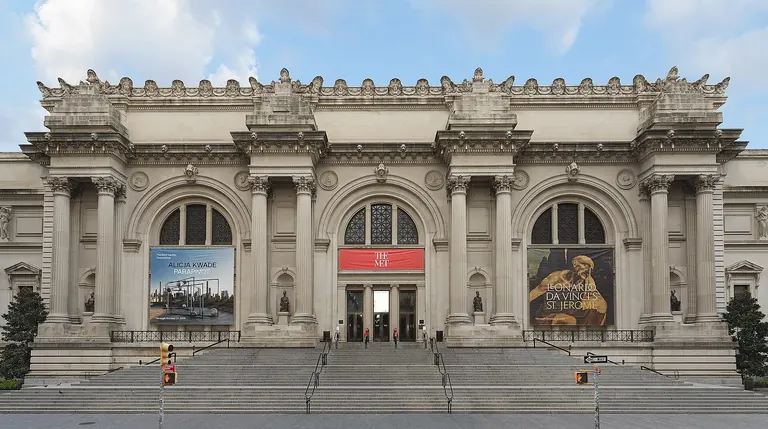
The Metropolitan Museum of Art
Founded in 1870 and housed in a vast Beaux-Arts palace along Fifth Avenue's Museum Mile, The Metropolitan Museum of Art holds roughly 1.5 million works spanning every era and culture. Its encyclopedic collection ranges from the ancient Near East and Egypt's Temple of Dendur to European Old Masters, American art, arms and armor, and modern and contemporary works. The fourth-largest art museum in the world, it draws over five million visitors a year to its galleries on the eastern edge of Central Park.
More in New York
What's On
Flip Sides: Seeing Korean Art Anew
Treasured Korean objects are turned around to reveal their interiors, reverses, and hidden details, offering a fuller view of each work's form across two rotations.
Costume Art
Inaugurating the new Conde Nast Galleries, the Costume Institute pairs nearly 400 garments with paintings and sculpture to explore how art has depicted the dressed body.
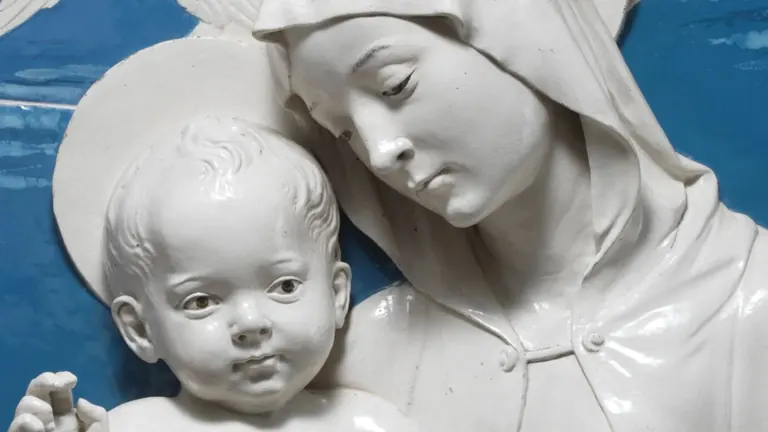
Rediscovering Della Robbia at The Met
Results from a collaborative exchange among curators, conservators, and digital specialists studying The Met's Della Robbia sculptures.
A King's Carpet: Louis XIV and the Savonnerie
The first US exhibition on the Savonnerie centers The Met's three monumental Baroque carpets woven for Louis XIV's Grande Galerie at the Louvre, tracing their making and dispersal.
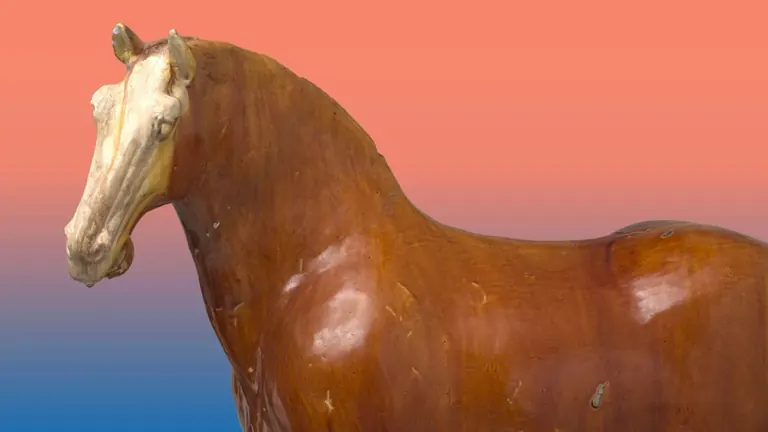
Celebrating the Year of the Horse
Brings together works from The Met collection to explore the horse's enduring nature and vital place in Chinese civilization.
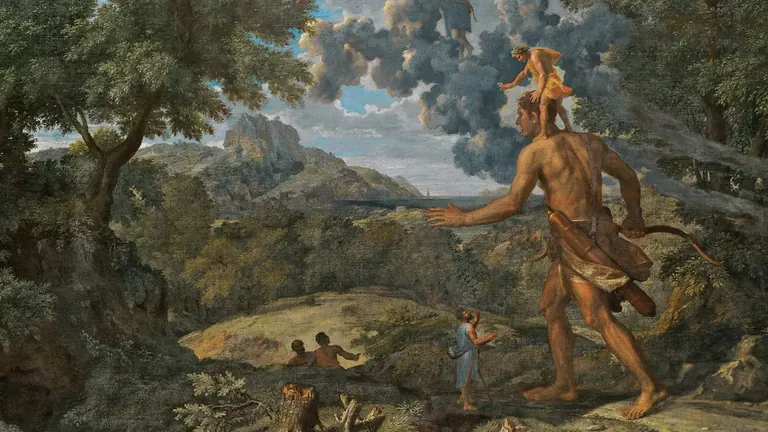
Ecologies of Painting
A special installation of European paintings (c.1525-1775) by artists including Bruegel and Poussin, examining shifting depictions of humanity's relationship with nature.
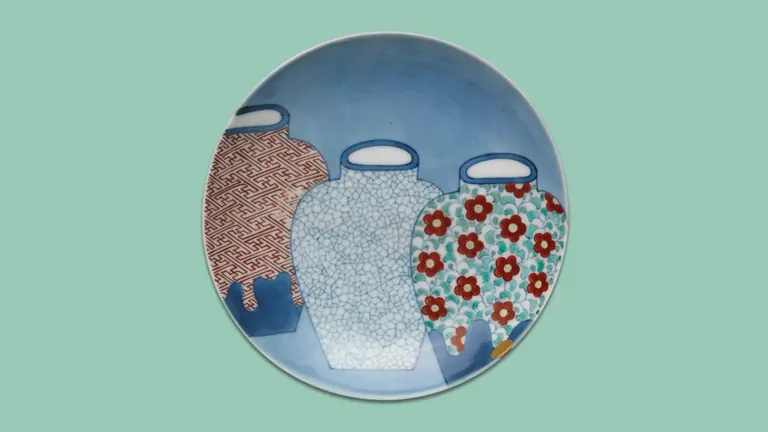
The Infinite Artistry of Japanese Ceramics
Explores Japan's extensive and rich history of ceramic art.
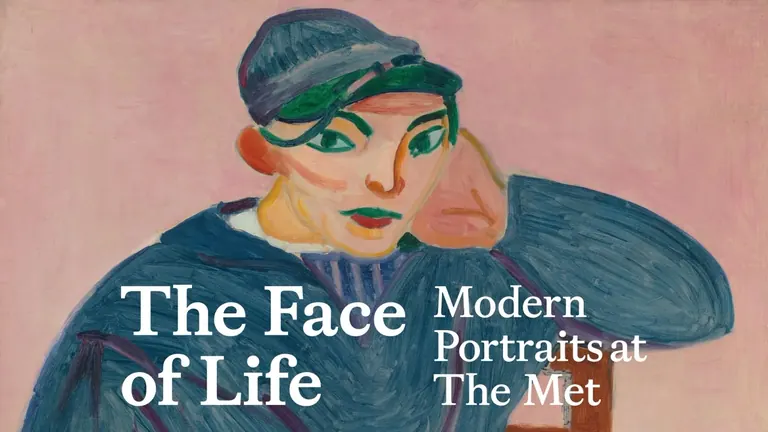
The Face of Life: Modern Portraits at The Met
Examines the language of portraiture from about 1900 to the 1960s through nearly 80 works from The Met collection.
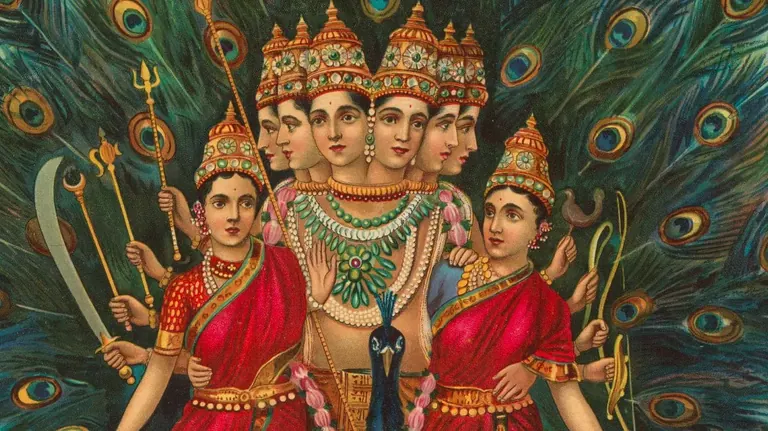
Household Gods: Hindu Devotional Prints, 1860–1930
The first encyclopedic exhibition of chromolithographic prints from the pioneering studio presses of Calcutta, Poona, and Bombay.
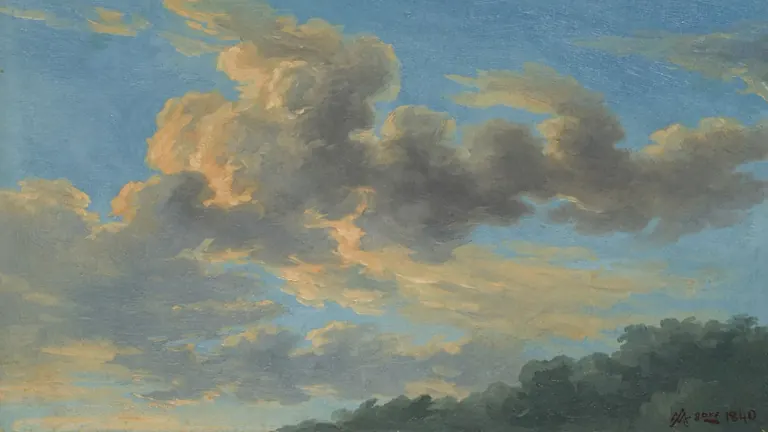
Chasing Clouds
Traces how artists represented clouds and sky from early 19th-century plein-air oil sketches through 1920s photography, including Alfred Stieglitz's Equivalents cloud studies.
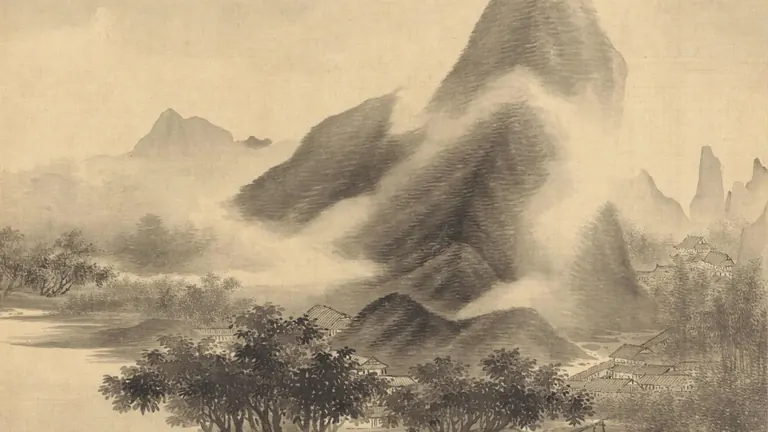
City of Memory: Nanjing in the Seventeenth Century
Explores how artists lived and worked in Nanjing in the decades before and after the fall of the Ming dynasty.
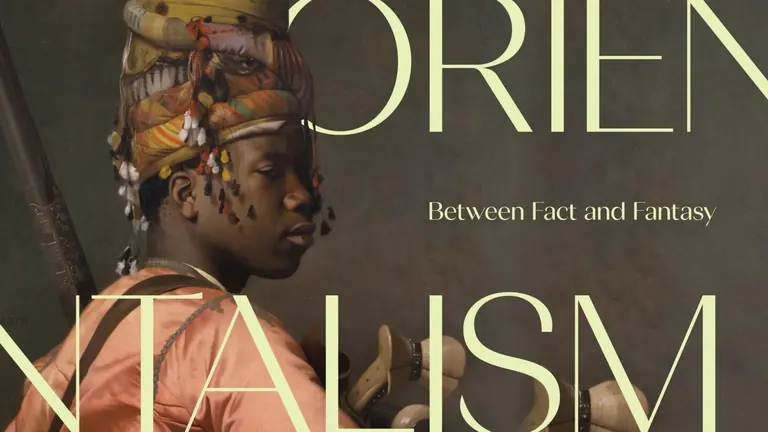
Orientalism: Between Fact and Fantasy
The first exhibition at The Met to explore Orientalism as its central focus.
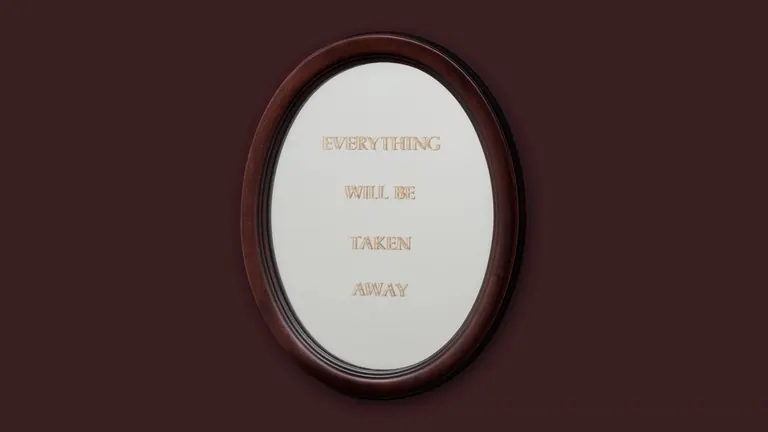
Afterlives: Contemporary Art in the Byzantine Crypt
Brings together modern-day works that reckon with death and visualize the afterlife with Byzantine Egyptian funerary art and artifacts.
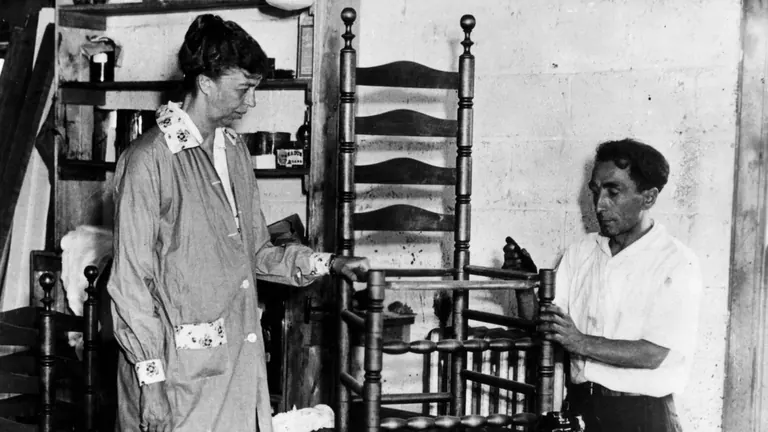
Cottage Industry: The Val-Kill Furniture Shop
In honor of the 100th anniversary of the founding of Val-Kill, this exhibition celebrates the trailblazing workshop, led by women and shaped by immigrant and rural craftspeople.

The Genesis Facade Commission: Liu Wei, Speculation
Beijing-based artist Liu Wei (born 1972) inspires visitors to ponder cycles of rupture and resistance for the 2026 Genesis Facade Commission.

David Hartt: Peripheries
Multidisciplinary artist David Hartt transforms John Vanderlyn's 19th-century painting Panoramic View of the Palace and Gardens of Versailles into a site-specific installation exploring place and perspective.
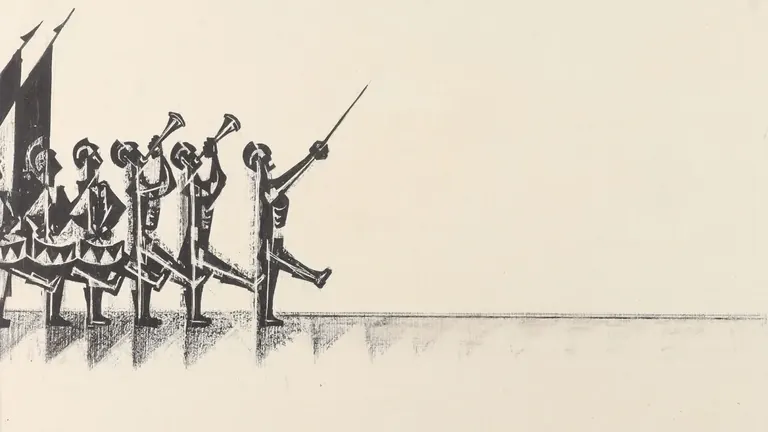
There Are No Words: Si Lewen's Parade
Conceived by Si Lewen (1918–2016) in the aftermath of World War II, The Parade is informed by the artist's extraordinary life.
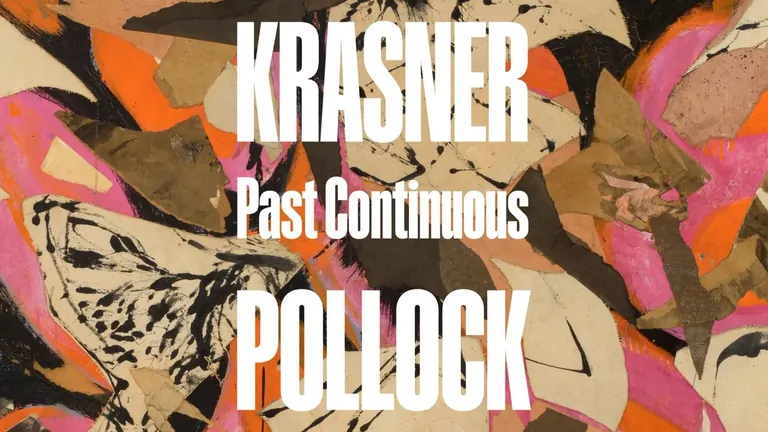
Krasner and Pollock: Past Continuous
The first major New York presentation devoted to either artist in more than 20 years.
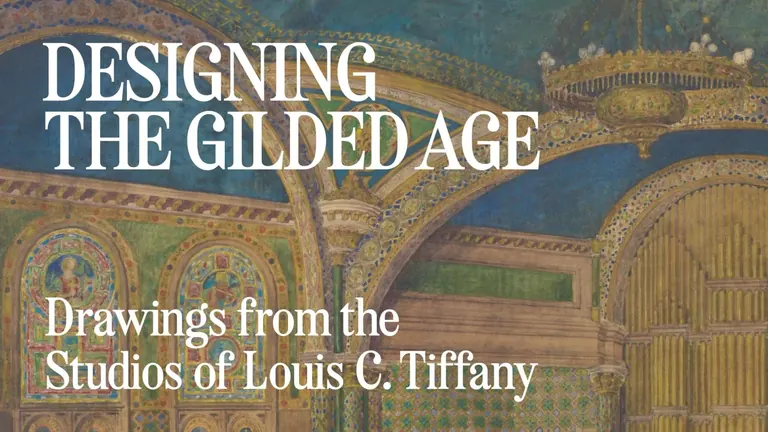
Designing the Gilded Age: Drawings from the Studios of Louis C. Tiffany
The dazzling stained-glass windows, lamps, mosaics, and interiors from Tiffany's studios began as drawings created by the many talented designers who worked there.
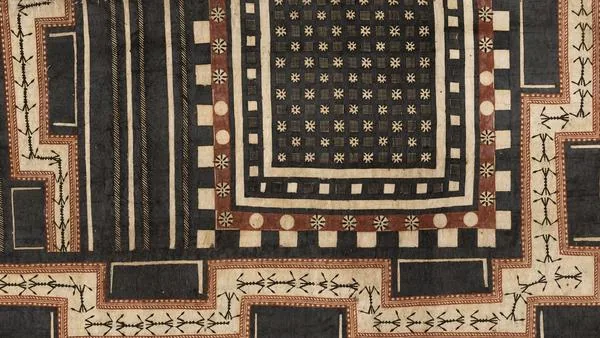
Tapa: Art of the Gift in Polynesia
19th-century bark cloth tapa from Fiji, Samoa and Futuna, plus a Niuean hiapo on loan from Te Papa, shown as ceremonial gifts and diplomacy. Gallery 359.
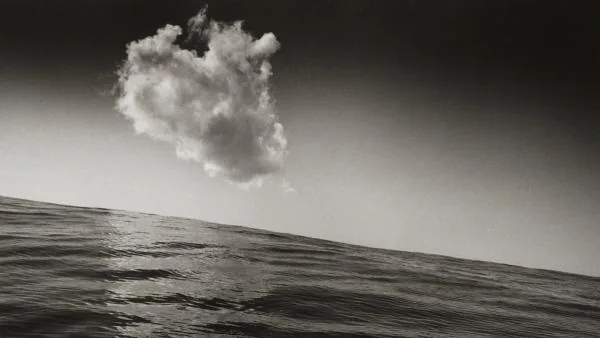
A Long Shadow: Postwar Japan Through the Lens
Postwar Japanese photography, from Okinawa and base towns under US occupation, drawn from the Met's collection with rare photobooks and new acquisitions. Gallery 851.
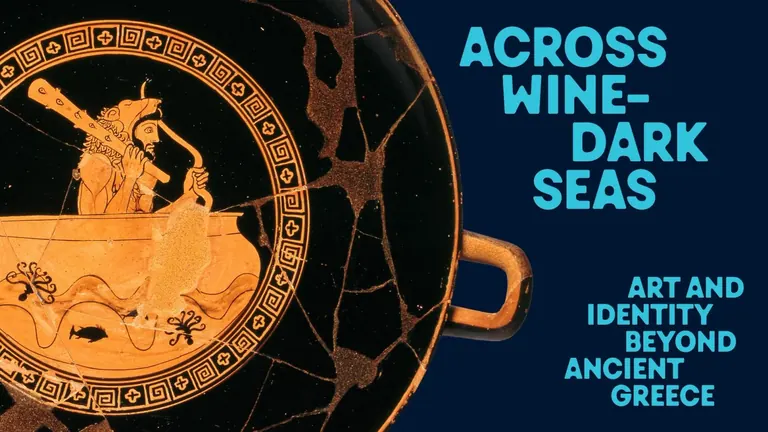
Across Wine-Dark Seas: Art and Identity beyond Ancient Greece
Presents more than 180 exceptional works exploring art and identity beyond ancient Greece.
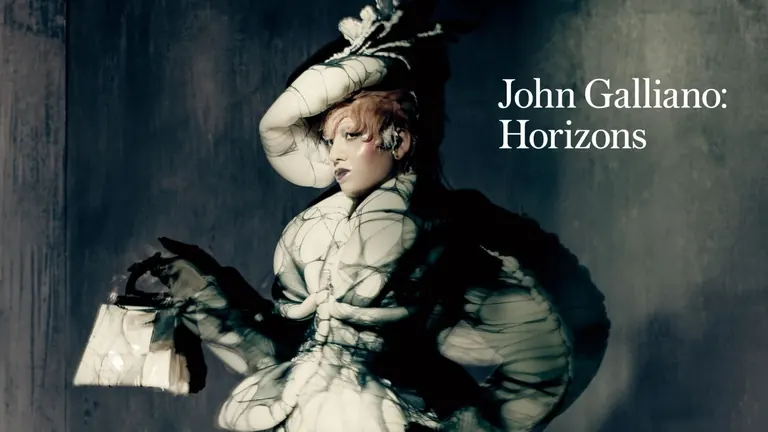
John Galliano: Horizons
The Costume Institute's spring 2027 exhibition examines the career of John Galliano, one of the most inventive and influential designers of the past four decades.
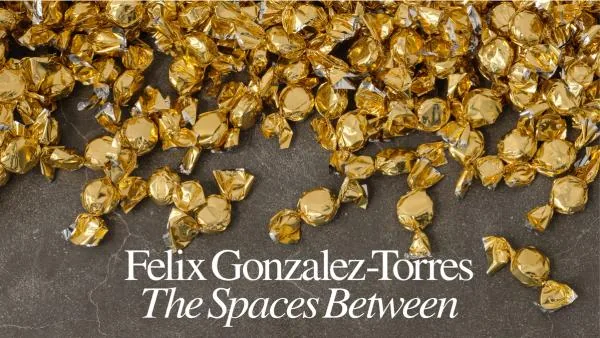
Felix Gonzalez-Torres: The Spaces Between
First New York museum survey in 30 years: over 40 works placed across the Met in 14 departments, from a British dining room to the American Wing's Engelhard Court.
Permanent Collections
Arms and Armor
Some 14,000 objects from Europe, the Islamic world, Japan, and beyond fill the Lauder Galleries, crowned by the famous court of mounted knights in full armor.
The American Wing
Around 20,000 works of American painting, sculpture, decorative arts, and architecture spread over 75-plus galleries, from the colonial era to the mid-twentieth century.
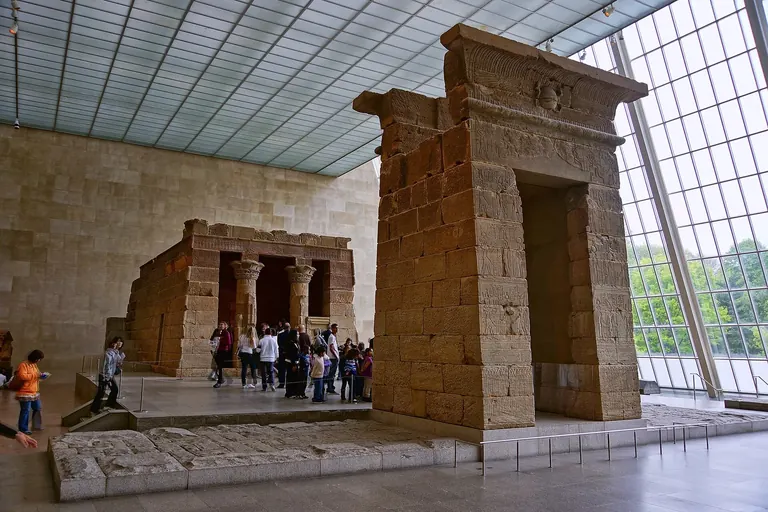
The Temple of Dendur
An Egyptian sandstone temple built around 15 BC and gifted by Egypt to the US, reassembled in the light-filled Sackler Wing beside a reflecting pool evoking its original Nile setting.
Plan Your Visit
Getting there
1000 Fifth Avenue, New York, NY 10028
Nearest station: 86 St (4/5/6 subway), 77 St (6 subway) and Bus M1/M2/M3/M4 (Madison/Fifth Ave)
Show on mapHours
| MonToday | 10:00–17:00 |
| Tue | 10:00–17:00 |
| Wed | Closed |
| Thu | 10:00–17:00 |
| Fri | 10:00–21:00 |
| Sat | 10:00–21:00 |
| Sun | 10:00–17:00 |
Admission
From $30
$22 seniors, $17 students; pay-what-you-wish for New York State residents and NY/NJ/CT students; free for members and children under 12.
Last verified
Nearby
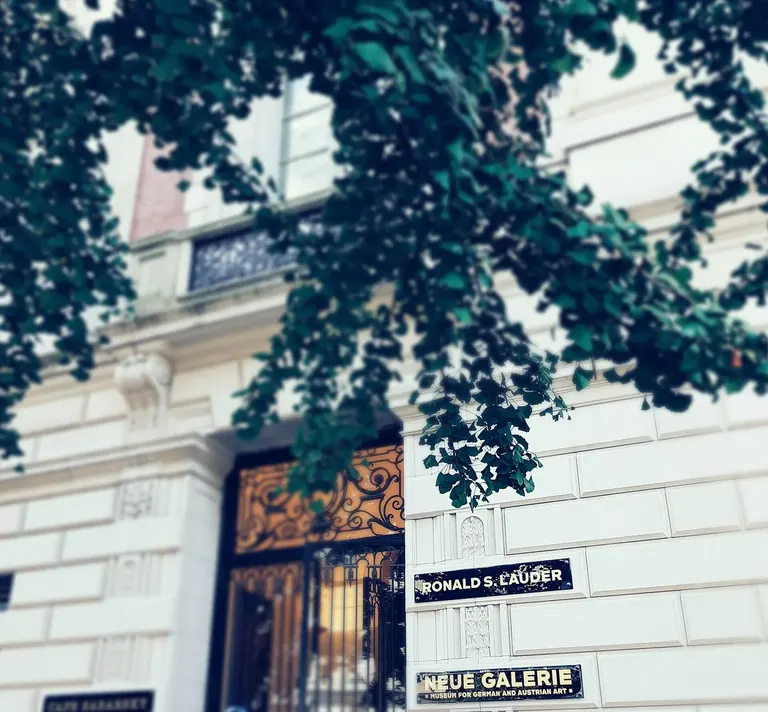
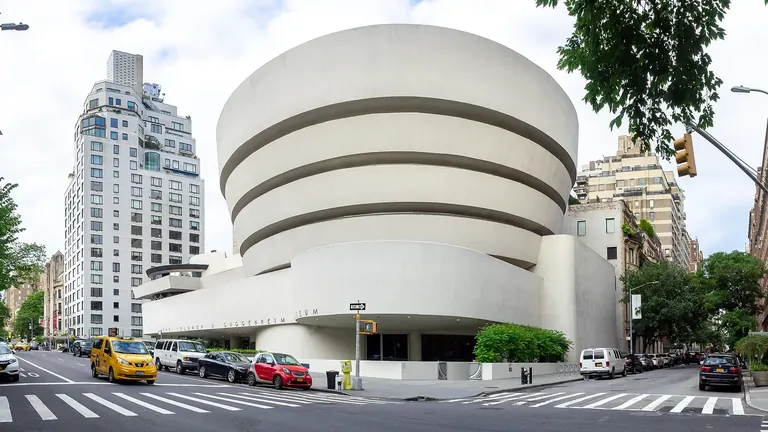
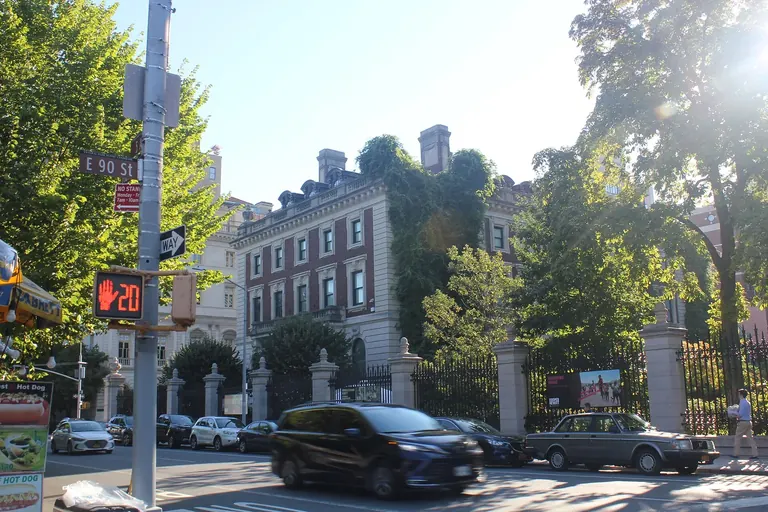
Visitor Information
- How much does The Metropolitan Museum of Art cost?
- Standard adult admission to The Metropolitan Museum of Art is $30. $22 seniors, $17 students; pay-what-you-wish for New York State residents and NY/NJ/CT students; free for members and children under 12.. Prices for special exhibitions and timed-entry slots may differ.
- What are the opening hours of The Metropolitan Museum of Art?
- The Metropolitan Museum of Art is open Sun-Tue & Thu 10am-5pm; Fri-Sat 10am-9pm; closed Wednesdays.. Holiday hours can vary, so check the museum's website before you go.
- Where is The Metropolitan Museum of Art?
- The Metropolitan Museum of Art is located at 1000 Fifth Avenue, New York, NY 10028, in the Upper East Side area of New York. The nearest stations are 86 St (4/5/6 subway), 77 St (6 subway) and Bus M1/M2/M3/M4 (Madison/Fifth Ave).
- What can I see at The Metropolitan Museum of Art?
- The Met is America's largest art museum: 5,000 years of human creativity from an Egyptian temple to Old Masters, on Central Park's edge. Current highlights include Celebrating the Year of the Horse, Flip Sides: Seeing Korean Art Anew and Arms and Armor.
- Do I need to book The Metropolitan Museum of Art in advance?
- Booking ahead is recommended, especially for weekends, school holidays, and special exhibitions. Tickets are normally on the museum's website, and a pre-booked timed slot helps you avoid queues at the entrance.
- When is the best time to visit The Metropolitan Museum of Art?
- Weekday mornings shortly after opening are typically the quietest, especially mid-week. Late afternoons can also be calmer. Weekends, school holidays, and the lunch rush are the busiest periods.
Image credits
27
- The Metropolitan Museum of ArtHugo Schneider, via Wikimedia Commons, CC BY-SA 2.0
- Celebrating the Year of the HorseCourtesy of The Metropolitan Museum of Art
- Ecologies of PaintingCourtesy of The Metropolitan Museum of Art
- The Infinite Artistry of Japanese CeramicsCourtesy of The Metropolitan Museum of Art
- Felix Gonzalez-Torres: The Spaces BetweenCourtesy of The Metropolitan Museum of Art
- The Face of Life: Modern Portraits at The MetCourtesy of The Metropolitan Museum of Art
- David Hartt: PeripheriesCourtesy of The Metropolitan Museum of Art
- John Galliano: HorizonsCourtesy of The Metropolitan Museum of Art
- Household Gods: Hindu Devotional Prints, 1860–1930Courtesy of The Metropolitan Museum of Art
- A Long Shadow: Postwar Japan Through the LensCourtesy of The Metropolitan Museum of Art
- Chasing CloudsCourtesy of The Metropolitan Museum of Art
- There Are No Words: Si Lewen's ParadeCourtesy of The Metropolitan Museum of Art
- Tapa: Art of the Gift in PolynesiaCourtesy of The Metropolitan Museum of Art
- City of Memory: Nanjing in the Seventeenth CenturyCourtesy of The Metropolitan Museum of Art
- Orientalism: Between Fact and FantasyCourtesy of The Metropolitan Museum of Art
- The Genesis Facade Commission: Liu Wei, SpeculationCourtesy of The Metropolitan Museum of Art
- Afterlives: Contemporary Art in the Byzantine CryptCourtesy of The Metropolitan Museum of Art
- Designing the Gilded Age: Drawings from the Studios of Louis C. TiffanyCourtesy of The Metropolitan Museum of Art
- Krasner and Pollock: Past ContinuousCourtesy of The Metropolitan Museum of Art
- The Temple of DendurJean-Christophe BENOIST, via Wikimedia Commons, CC BY 3.0
- Rediscovering Della Robbia at The MetCourtesy of The Metropolitan Museum of Art
- Cottage Industry: The Val-Kill Furniture ShopCourtesy of The Metropolitan Museum of Art
- Across Wine-Dark Seas: Art and Identity beyond Ancient GreeceCourtesy of The Metropolitan Museum of Art
- Neue Galerie New YorkFrancesca.hyanna19 via Wikimedia Commons, CC BY-SA 4.0
- Solomon R. Guggenheim MuseumAjay Suresh, via Wikimedia Commons, CC BY 2.0
- Cooper Hewitt, Smithsonian Design MuseumEpicgenius, Wikimedia Commons, CC BY-SA 4.0
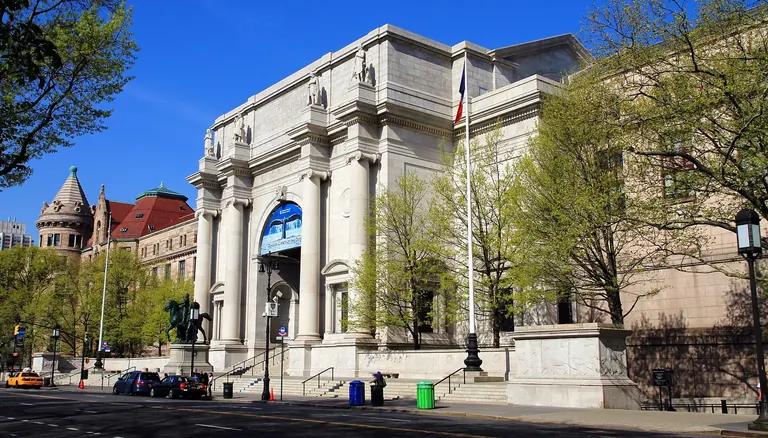
- American Museum of Natural HistoryIngfbruno, Wikimedia Commons, CC BY-SA 3.0