 i
The Metropolitan Museum of Art · Upper East Side
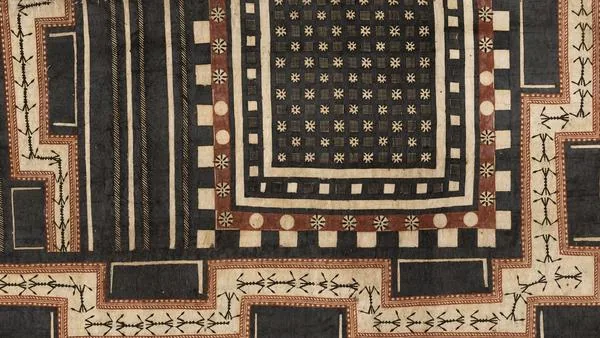
Tapa: Art of the Gift in Polynesia
19th-century bark cloth tapa from Fiji, Samoa and Futuna, plus a Niuean hiapo on loan from Te Papa, shown as ceremonial gifts and diplomacy. Gallery 359.
More in New York
Preview: written before the show opened
Some of the bark cloths in Gallery 359 were diplomatic gifts from senior Samoan chiefs to Robert Louis Stevenson and his wife Fanny, who argued the chiefs' case while the couple lived in Samoa from 1890 to 1894. The chiefs called the author of Treasure Island "Tusitala", Teller of Tales.
Groups of women make tapa from the inner bark of the paper mulberry tree and paint it by hand. In Polynesia it is the cloth of ceremonial exchange. The Met shows 19th-century pieces from Fiji, Samoa and Futuna from its collection, adds a Niuean hiapo lent by Te Papa, and hangs a pair of large Fijian panels, masi kesa, together for the first time. Samoan chiefs gave cloth as statecraft, which sets a high bar for December's office Secret Santa.
You stay in one gallery, and it's free with Museum admission, so it fits any Met visit. Alongside the old cloths hangs a monochrome painting by the Niuean poet and painter John Puhiatau Pule, whose early work borrowed hiapo's grids.
Look for
The Stevenson gifts
Look for the boldly designed tapa that Samoan chiefs presented to Robert Louis Stevenson and Fanny as diplomatic gifts in the 1890s.
The masi kesa pair
Two large-scale Fijian bark-cloth panels, shown side by side here for the first time.
The hiapo from Niue
A Niuean bark cloth lent by Te Papa Tongarewa, New Zealand's national museum, in the grid-like design Niue is known for.
John Puhiatau Pule's painting
A contemporary monochrome by the Niuean poet and painter, whose early paintings took their cue from hiapo grids.
Good for
- An Hour Or Less
- Locals Who've Seen It All
- Nerding Out
Also at The Metropolitan Museum of Art
On now nearby

Nearby
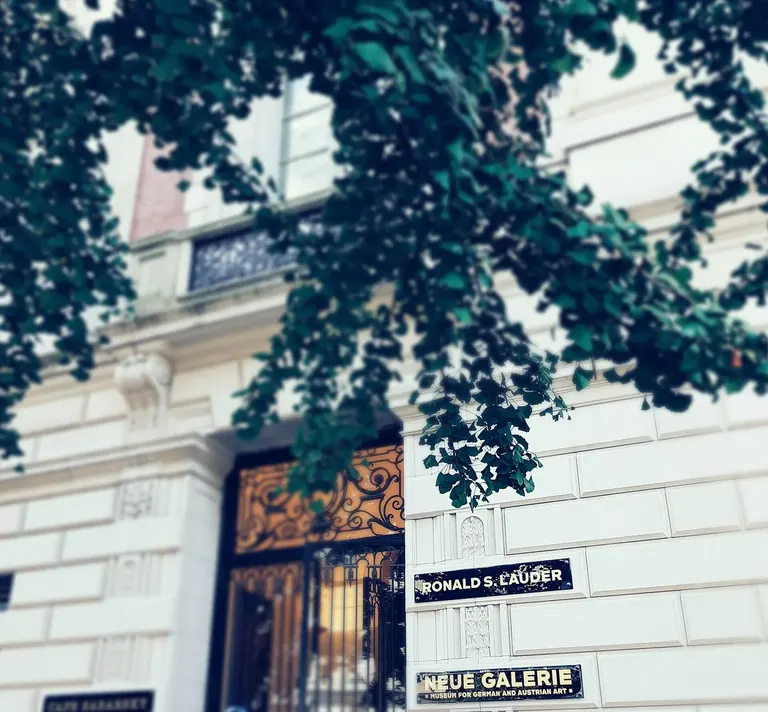
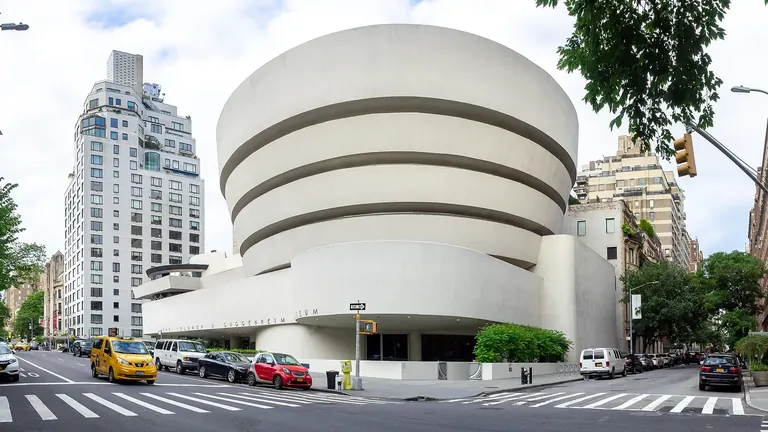
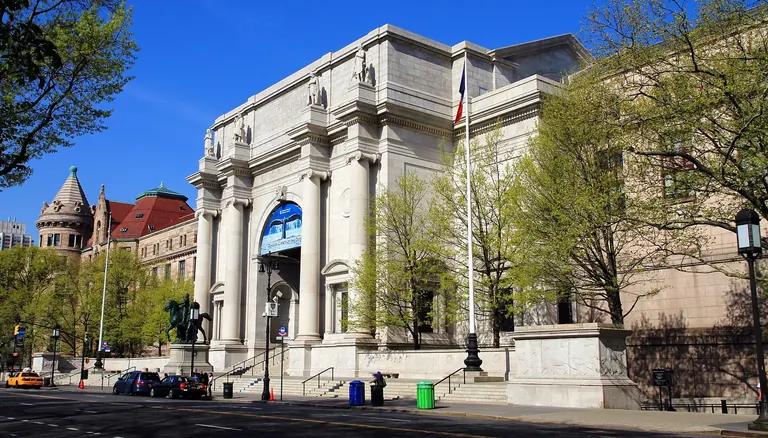
Image credits
9
- Tapa: Art of the Gift in PolynesiaCourtesy of The Metropolitan Museum of Art
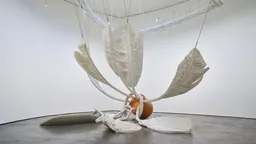
- Guggenheim Pop: 1960 to NowCourtesy of Solomon R. Guggenheim Museum
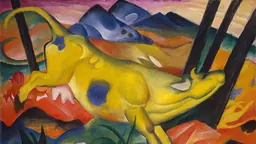
- Collection in Focus: Modern European CurrentsPhoto: Ariel Ione Williams, Solomon R. Guggenheim Museum, New York
- Taryn Simon | Father Country I Do Love YouCourtesy of Solomon R. Guggenheim Museum
- The Metropolitan Museum of ArtHugo Schneider, via Wikimedia Commons, CC BY-SA 2.0
- Neue Galerie New YorkFrancesca.hyanna19 via Wikimedia Commons, CC BY-SA 4.0
- Solomon R. Guggenheim MuseumAjay Suresh, via Wikimedia Commons, CC BY 2.0
- Cooper Hewitt, Smithsonian Design MuseumEpicgenius, Wikimedia Commons, CC BY-SA 4.0
- American Museum of Natural HistoryIngfbruno, Wikimedia Commons, CC BY-SA 3.0