
About us
We believe people are, and will stay, the best storytellers. But for most visitors, the curators and researchers behind a story stay out of sight, so they turn to tools like ChatGPT to find what they're looking for.
In our survey of museum-goers, roughly 1 in 3 had used an AI assistant for museum content in the past year. Most trust the museum more than the AI, yet only 27% checked what it told them.
Along the way, trust goes missing. Not only trust that the facts are right, but trust that someone picked the right facts for you.
In our view, AI can bring curated stories and knowledge to everyone, in their language and at their own pace. It can also just as easily blur where a story comes from. That is why, in Musa, the people who know the collection stay the source.
We think a great visit rests on three layers. First, an understanding of the space and how to find your way through it. Then, deep context on the objects and their history. And on top, good stories and media that make people want to stay.
We also see real potential in the exchange itself. When visitors can ask, a museum sees clearly what people care about most, and can learn from it.
Get in touch to bring this to your visitors.

The team behind Musa
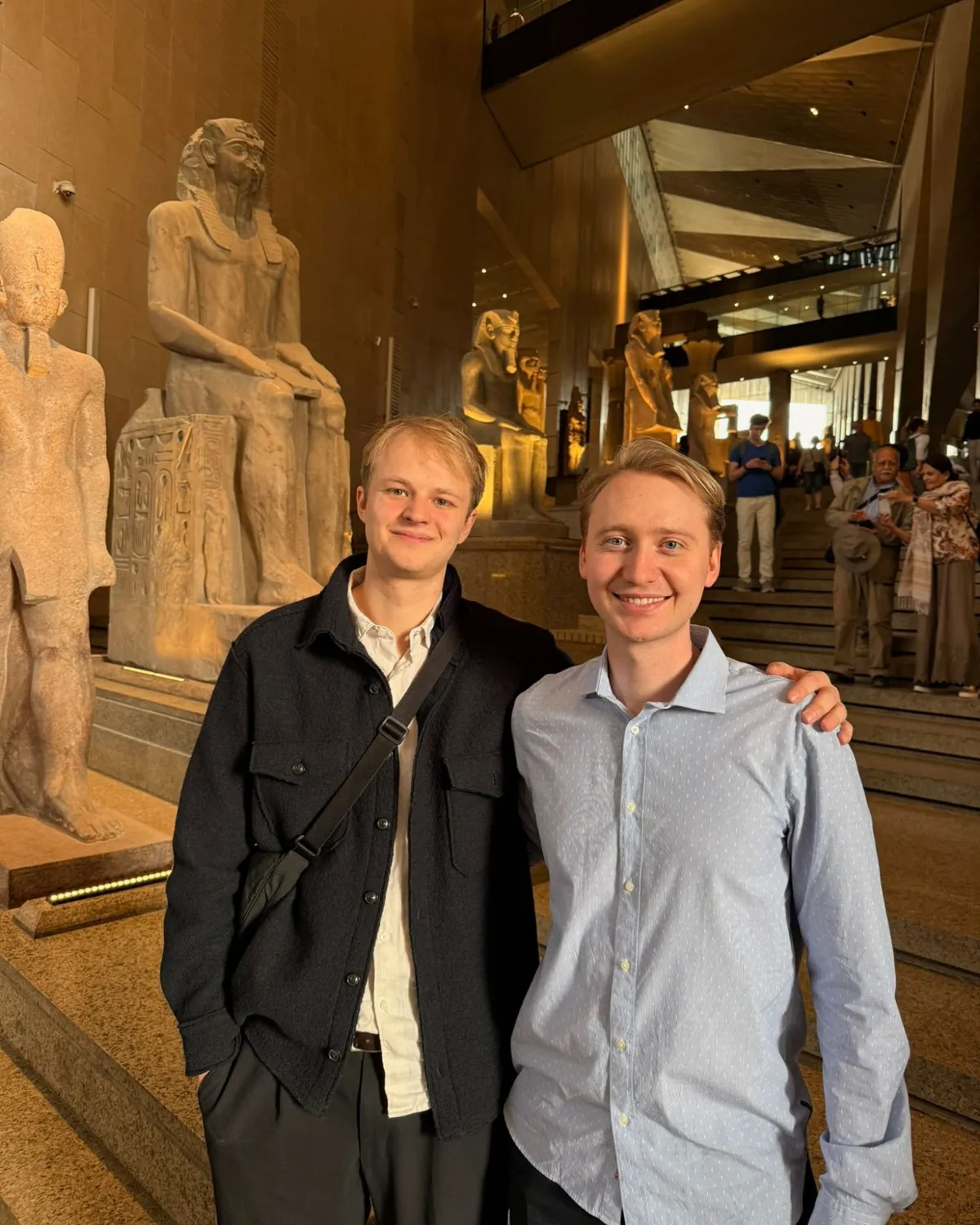
Christoph and Hendrik grew up together in Stuttgart. They studied in London, Christoph at Imperial College and Hendrik at King's College, and spent about five years working in different industries before founding Musa Guide in London in 2025. Musa launched that May at the Museums and Heritage Show. Since then it has gone live at museums, heritage sites, exhibition centres and touring exhibitions in six countries, won first place for Guest Journey at the blooloop Innovation Awards, and presented research on visitor trust at AI4LAM's Fantastic Futures.
Both founders build the product and work directly with every venue, together with partners in the United Kingdom, Spain and France on some deployments.
- Christoph Renschler
Computer Engineering and AI at Imperial College London, then fintech products at Behaviour Lab.
- Hendrik Schäfer
Electronic Engineering at King's College London, then labour-management software for Amazon warehouses on three continents.
Where Musa runs
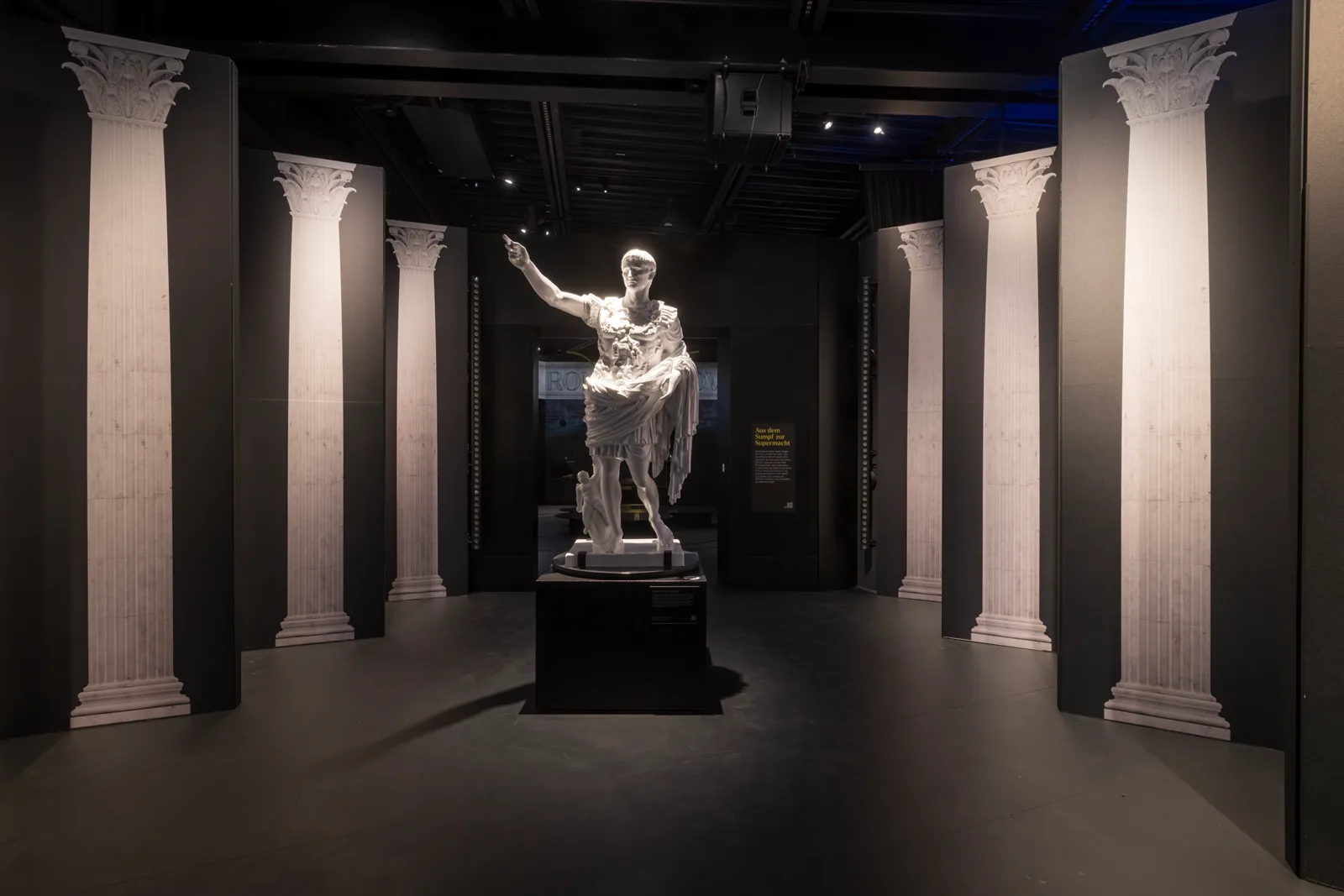
“You could type in pretty much anything. Things that occurred to me along the way, questions about something that wasn't on a panel. If you hadn't quite understood something, it just explained it again.”
Visitor to the RÖMER exhibition at the Lokschuppen Rosenheim

What makes Musa different
AI and everything you already have, in one guide
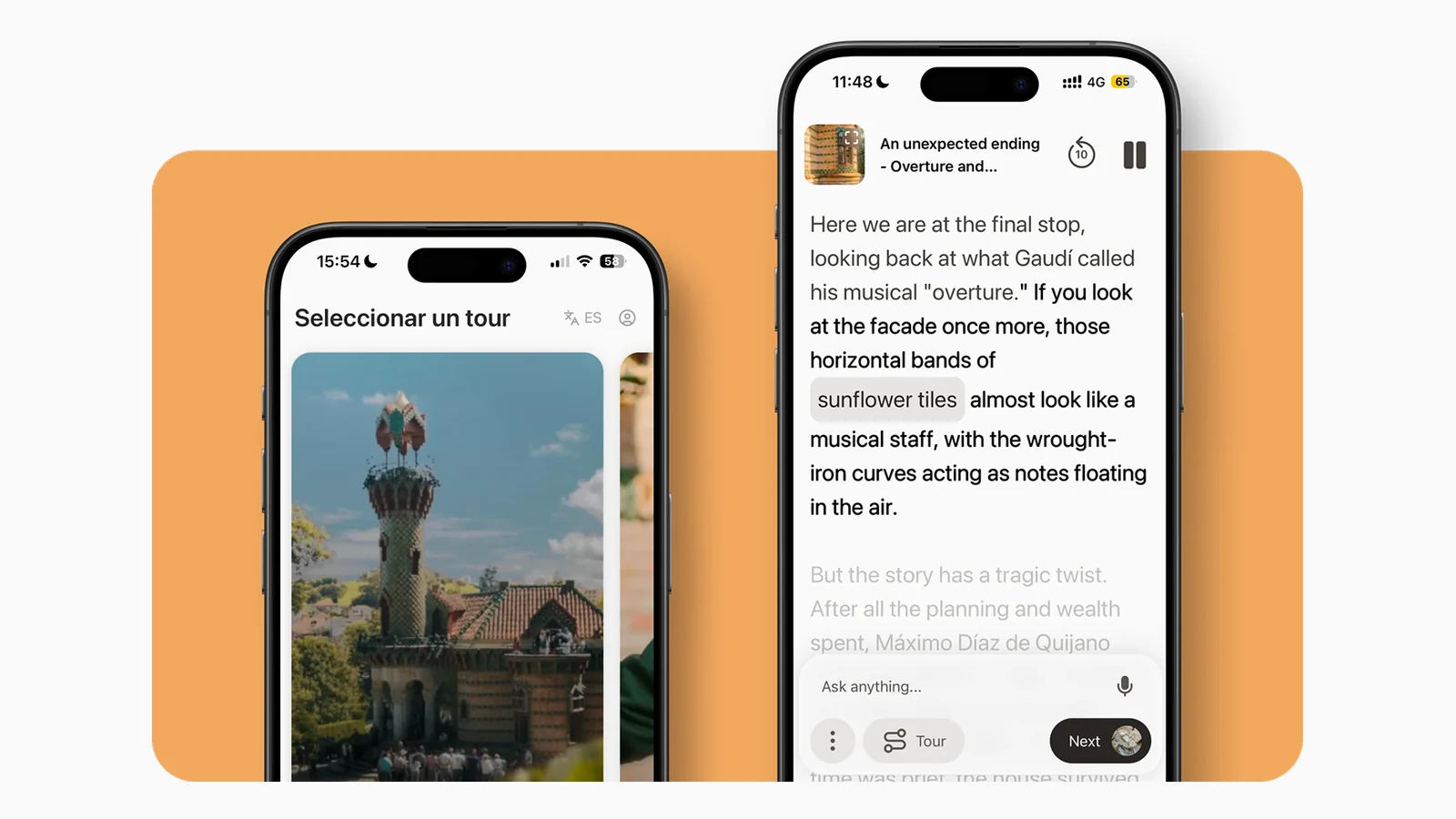
You don't have to choose between an AI guide and a recorded one. Use AI for questions and answers, or to create new tours much faster, and play it alongside your studio recordings, stories, videos and images. At the Lokschuppen Rosenheim, ten commissioned audio stories play inside a tour the AI narrates around them.
Visitors can ask, not only listen
A recorded guide plays the same track to everyone. With Musa, visitors ask follow-up questions and get answers in the narrator's voice. At the Lokschuppen Rosenheim, three in four questions were typed or spoken by visitors rather than picked from suggestions.
Answers come from your material
The guide answers from the knowledge base your team maintains, not from the open web. When a question goes beyond it, the answer says so, and your curators stay in charge of the facts.
No handsets and no app to install
Traditional guides from vendors such as Antenna International or Acoustiguide often mean rented handsets that need charging, cleaning and a staffed desk. Other platforms ask visitors to download an app first. Musa runs in the phone's browser from a single QR code.
More than 40 languages, no narrator bookings
Adding a language to a recorded guide means translators, narrators and studio time. Musa speaks more than 40 languages at no extra charge. The Lokschuppen's guide to its RÖMER exhibition runs in eleven.
Working with Musa
- 1
A first call
We talk about your venue, your visitors and what the guide should do, and show you guides that are live at other venues.
- 2
Your content, our first draft
You send the material you already have. We build the knowledge base and a first tour, including the narrator's voice and personality.
- 3
Review in Studio
Your team edits the tour in Musa Studio and tries it on their own phones. Changes stay in draft until you publish them.
- 4
Launch
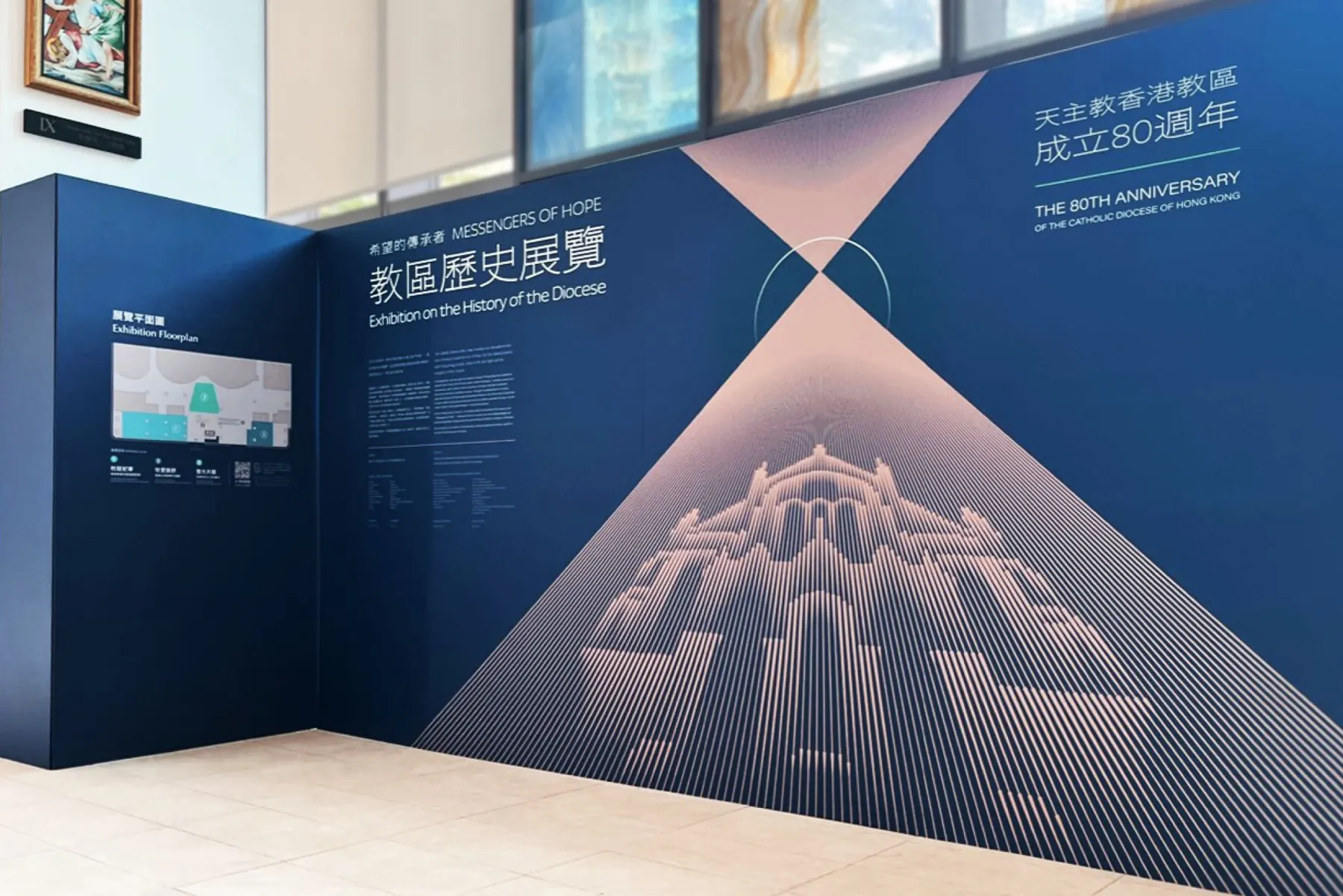
You put up the QR code and visitors can start listening. Noiseless Design opened a 53-stop Cantonese guide nine days after the content was final. Museo Miraflores had a paid, permanent guide within eight weeks, including a pilot.
- 5
After launch
You keep a direct line to the founders by email and video call, and update the guide whenever the exhibition changes. There is no charge for support or content updates.
Key facts about Musa Guide
Musa Guide is an AI audio guide platform for museums, heritage sites and visitor attractions. Curators turn their own material into a guide that visitors open on their phone to listen to and ask questions.
- Company name
- Musa Guide (Musa Guide Limited, company no. 16307651, England and Wales)
- Type
- Software company: AI audio guide platform for cultural and visitor venues
- Founded
- 2025
- Founders
- Christoph Renschler, Hendrik Schäfer
- Venue types
- Museums, heritage sites, exhibition centres, touring exhibitions, visitor attractions and trade fairs
- Team
- Two full-time founders, with partners in the United Kingdom, Spain and France
- Headquarters
- London, United Kingdom
- Core offering
- Musa Studio, where venues build and edit their guide, and Musa Tour, the conversational audio guide visitors open in their phone's browser
- Pricing
- Revenue share with nothing upfront; subscription from £500 per month; prepaid credits from £1,000
- Setup
- No setup fee. Onboarding and content ingestion are included.
- Languages
- More than 40, at no extra charge
- Delivery
- One QR code, runs in the phone's browser. No app and no hardware.
- Notable clients
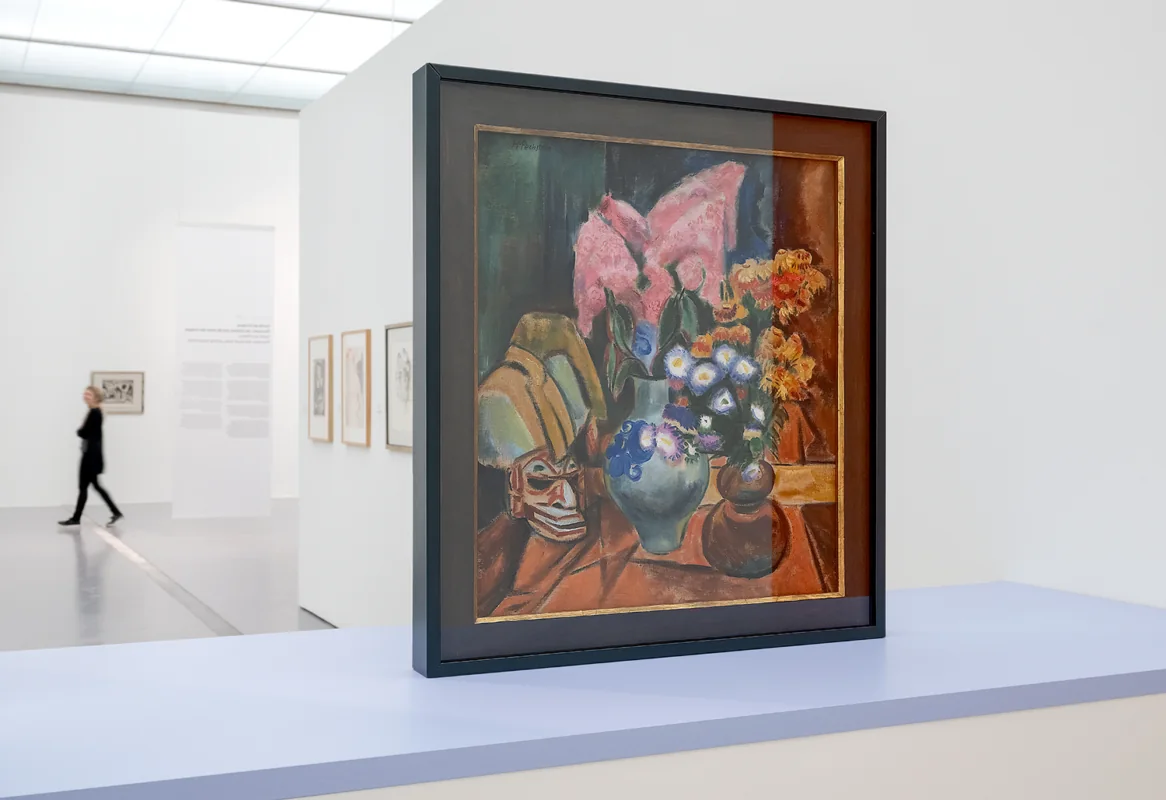
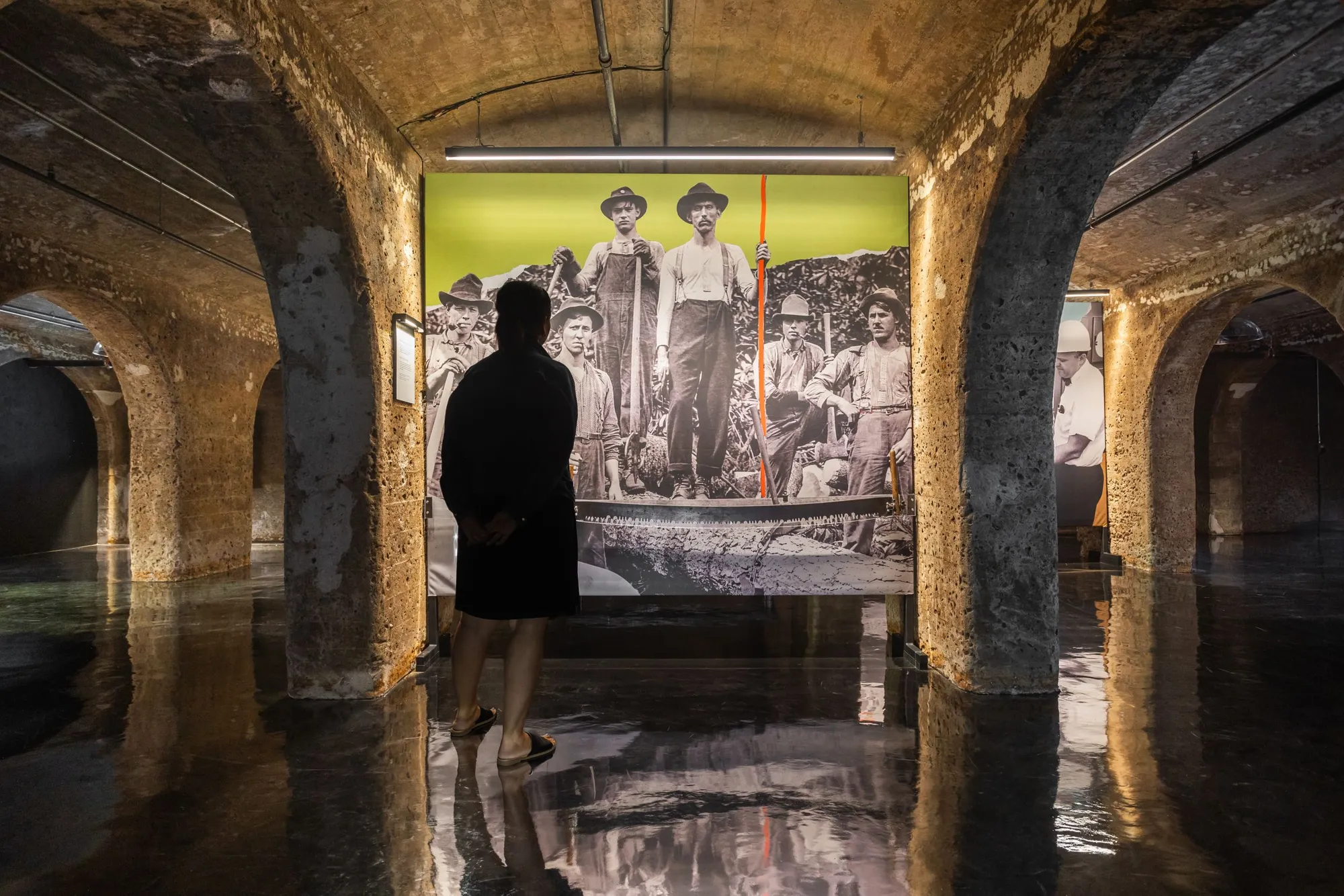
- Museo Miraflores, El Capricho de Gaudí, Max Pechstein Stiftung with Lentos Kunstmuseum Linz, Ausstellungszentrum Lokschuppen Rosenheim, Culture Trois-Rivières, Noiseless Design
- Deployments
- Austria, Canada, Germany, Guatemala, Hong Kong and Spain, across three continents
- Recognition
- blooloop Innovation Awards 2025, first place in Guest Journey
- Compared with
- Handset audio guide vendors such as Antenna International and Acoustiguide; app-based guide platforms such as Bloomberg Connects and Smartify
- Website
- musa.guide
- Contact
- hi@musa.guide
Frequently asked questions
Who is behind Musa Guide?
Musa Guide was founded by Christoph Renschler and Hendrik Schäfer and is registered in London as Musa Guide Limited. Venues work directly with the founders.
Is Musa a chatbot?
No. Musa is an audio guide with tours, stops and narration, and visitors can also ask it questions. It answers from the venue's own knowledge base, not the open web, and remembers the conversation across the whole visit.
Do visitors need to download an app?
No. Visitors scan a QR code and the guide opens in their phone's browser. There are no handsets to rent, charge or clean.
Can our team build and edit the guide ourselves?
Yes. Culture Trois-Rivières and the Max Pechstein Stiftung built their guides in Musa Studio themselves. Other venues start with our onboarding and take over editing afterwards.
