 i
The Metropolitan Museum of ArtUpper East Side
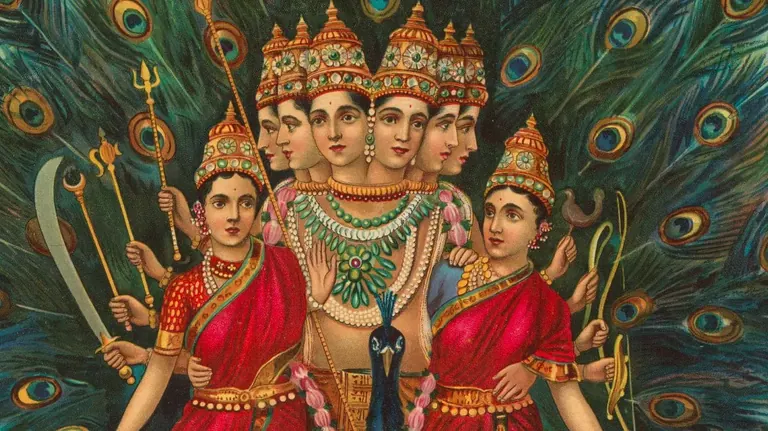
Household Gods: Hindu Devotional Prints, 1860–1930
The first encyclopedic exhibition of chromolithographic prints from the pioneering studio presses of Calcutta, Poona, and Bombay.
More in New York
In the gallery with the New York Review's critic, curator John Guy compared what Indian artists faced in the 19th century to "an AI moment". Court patronage had gone, photography had taken over portraits, and then the chromolithographic press arrived. Its prints were cheap enough that, the Met says, even the humblest home could keep a colorful god in its shrine.
About 120 works, mostly prints from presses in Calcutta, Poona and Bombay plus paintings and portable triptych shrines, share Gallery 251. You won't see them all in one visit: the show rotates four times, and the third selection goes up on October 17, 2026. In the first, Andrew Raftery singled out Chitrashala Steam Press's 1886 Vishnu waking on the coils of the serpent Shesha as "a work of incredible refinement".
His verdict: the printmakers "created something distinctly new while remaining completely Indian." Entry is included with Museum admission ($30 adults, pay-what-you-wish for New York State residents), and the Met stays open until 9pm on Fridays and Saturdays.
Good for
- Evening Visits
- Locals Who've Seen It All
- Nerding Out
Skip if
You're coming for one print you read about: the selection rotates four times, so it may be off view.
Also at The Metropolitan Museum of Art
On now nearby

Nearby
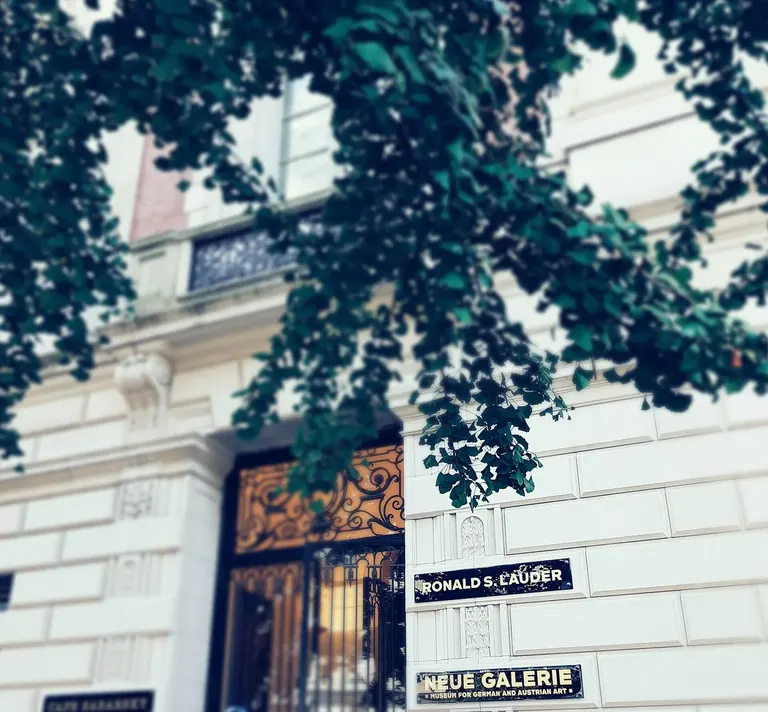
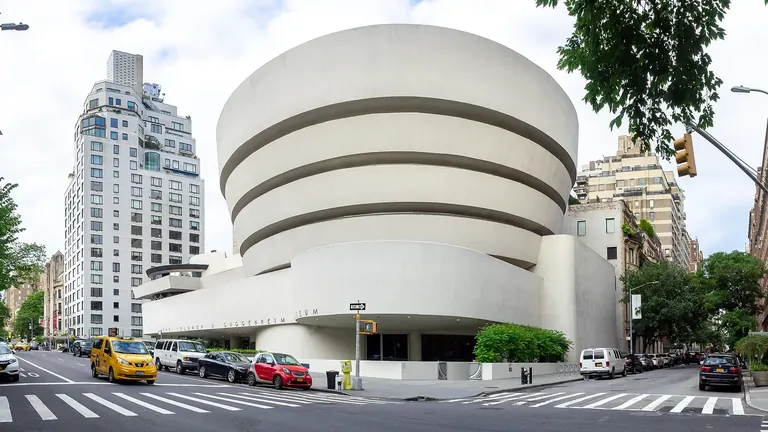
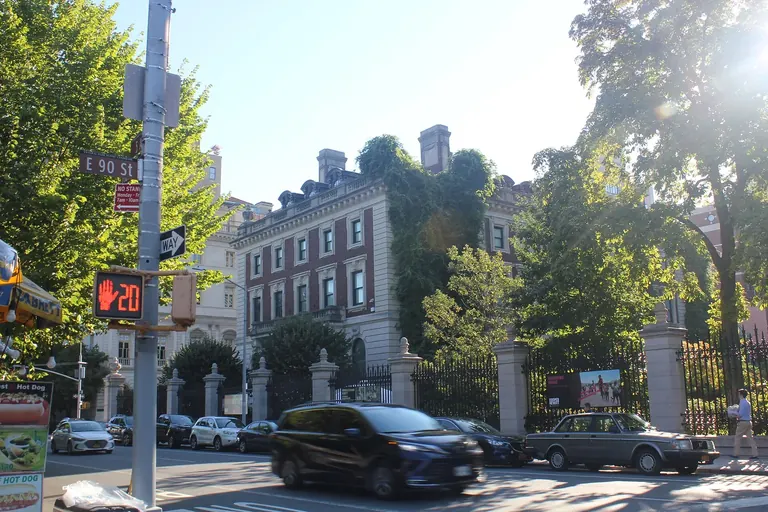
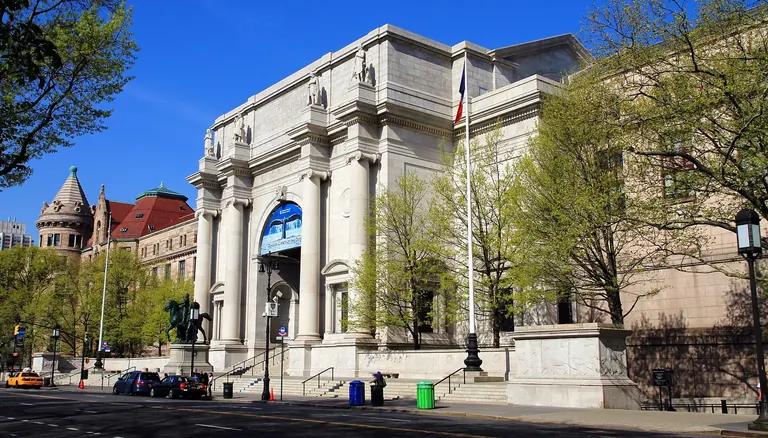
Image credits
9
- Household Gods: Hindu Devotional Prints, 1860–1930Courtesy of The Metropolitan Museum of Art
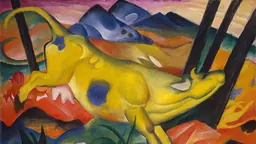
- Collection in Focus: Modern European CurrentsPhoto: Ariel Ione Williams, Solomon R. Guggenheim Museum, New York
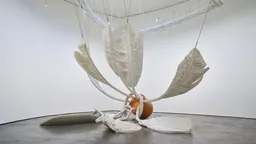
- Guggenheim Pop: 1960 to NowCourtesy of Solomon R. Guggenheim Museum
- Taryn Simon | Father Country I Do Love YouCourtesy of Solomon R. Guggenheim Museum
- The Metropolitan Museum of ArtHugo Schneider, via Wikimedia Commons, CC BY-SA 2.0
- Neue Galerie New YorkFrancesca.hyanna19 via Wikimedia Commons, CC BY-SA 4.0
- Solomon R. Guggenheim MuseumAjay Suresh, via Wikimedia Commons, CC BY 2.0
- Cooper Hewitt, Smithsonian Design MuseumEpicgenius, Wikimedia Commons, CC BY-SA 4.0
- American Museum of Natural HistoryIngfbruno, Wikimedia Commons, CC BY-SA 3.0