 i
The Metropolitan Museum of ArtUpper East Side
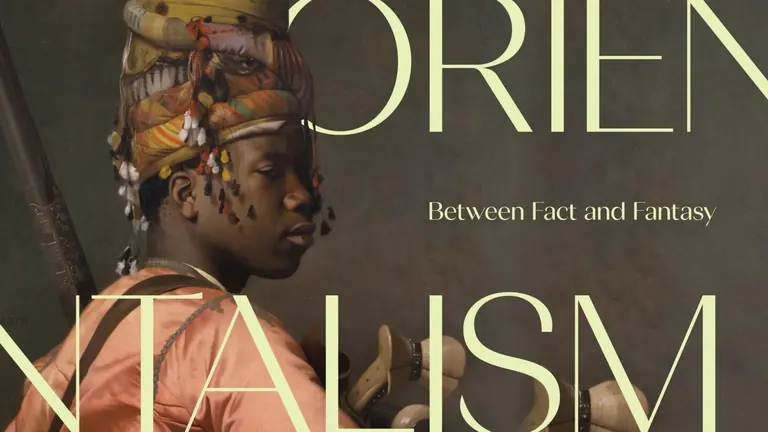
Orientalism: Between Fact and Fantasy
The first exhibition at The Met to explore Orientalism as its central focus.
More in New York
In Gérôme's Napoleon Before the Sphinx, the conqueror of Egypt faces the monument, and, as the Boston Globe's Mark Feeney noticed, the Sphinx gazes right back at him. That returned look is the argument of the show.
It's about 180 objects from 12 Met departments, spread over four galleries between European Paintings and Islamic Art. You can start at the main entrance in Gallery 453 or walk in from any side. Gérôme's canvases hang near the Ottoman helmets he used as studio props, and the route ends on seven paintings by Osman Hamdi Bey, the largest group outside Turkey. The curators say 19th-century makers sold things as "Persian" wherever they were made, so if your living room has a Persian rug of uncertain origin, you're continuing a tradition.
Feeney found "prurient fascination married to moral superiority" in Gérôme's dancers, and credited the show with setting them beside Hamdi's own view of Ottoman life. The Financial Times called it "resplendent". It's free with Museum admission and runs through February 28, 2027.
Look for
Gérôme's Bashi-Bazouk
Look for the life-size Ottoman mercenary, long a visitor favourite and, per the curators, the first life-size image of a Black man in the Met's 19th-century European paintings galleries.
The Snake Charmer
A boy with a snake coiled around him performs against tiling modelled on Istanbul's Topkapi Palace; Edward Said chose this painting for his 1978 book Orientalism.
Osman Hamdi Bey's Young Woman Reading
An Ottoman insider's answer to Gérôme: a woman reading beside a prayer rug, intricate window grillwork and fine tilework.
The Damascus tazza and its two French copies
A 13th-century Syrian enamelled glass bowl sits with Brocard's 1867 glass copy and Collinot's ceramic version, together for the first time since the late 1800s.
Gérôme's props
Ottoman helmets lent by the Walters Art Museum are shown near the paintings, so you can spot the real objects he staged in his studio.
Good for
- Nerding Out
- Out-Of-Town Guests
- Rainy Days
Skip if
You want the paintings as pure spectacle: the curators frame them through race, gender and power.
Also at The Metropolitan Museum of Art
On now nearby

Nearby
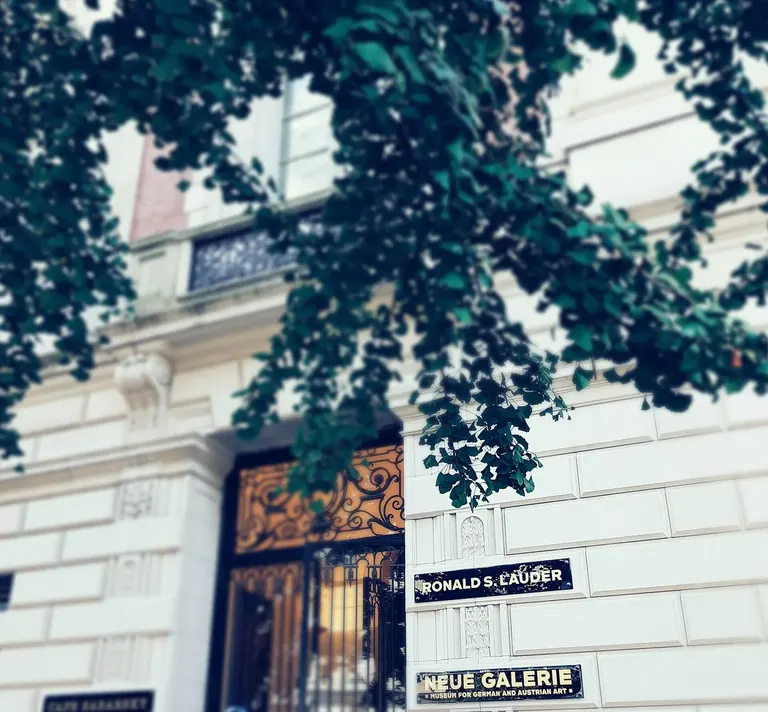
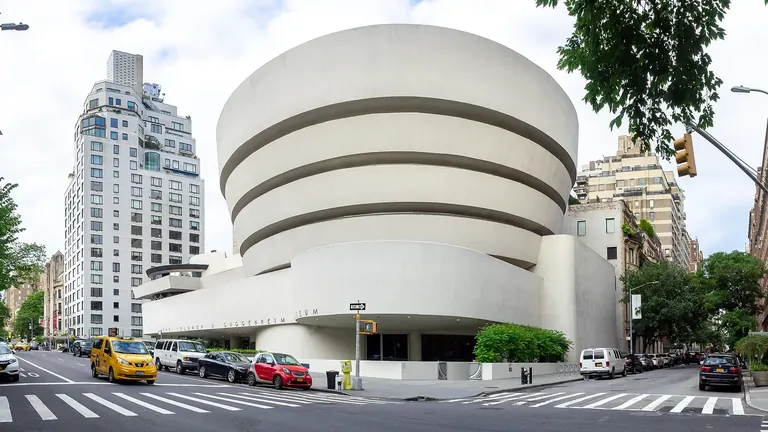
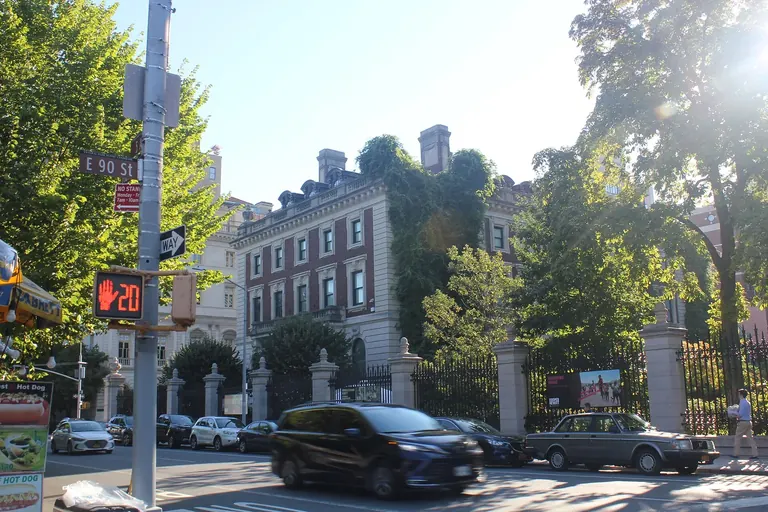
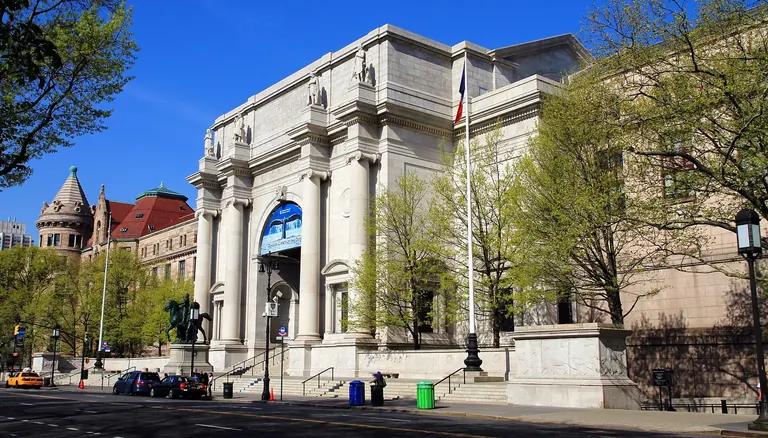
Image credits
9
- Orientalism: Between Fact and FantasyCourtesy of The Metropolitan Museum of Art
- Collection in Focus: Modern European CurrentsPhoto: Ariel Ione Williams, Solomon R. Guggenheim Museum, New York
- Guggenheim Pop: 1960 to NowCourtesy of Solomon R. Guggenheim Museum
- Taryn Simon | Father Country I Do Love YouCourtesy of Solomon R. Guggenheim Museum
- The Metropolitan Museum of ArtHugo Schneider, via Wikimedia Commons, CC BY-SA 2.0
- Neue Galerie New YorkFrancesca.hyanna19 via Wikimedia Commons, CC BY-SA 4.0
- Solomon R. Guggenheim MuseumAjay Suresh, via Wikimedia Commons, CC BY 2.0
- Cooper Hewitt, Smithsonian Design MuseumEpicgenius, Wikimedia Commons, CC BY-SA 4.0
- American Museum of Natural HistoryIngfbruno, Wikimedia Commons, CC BY-SA 3.0