 i
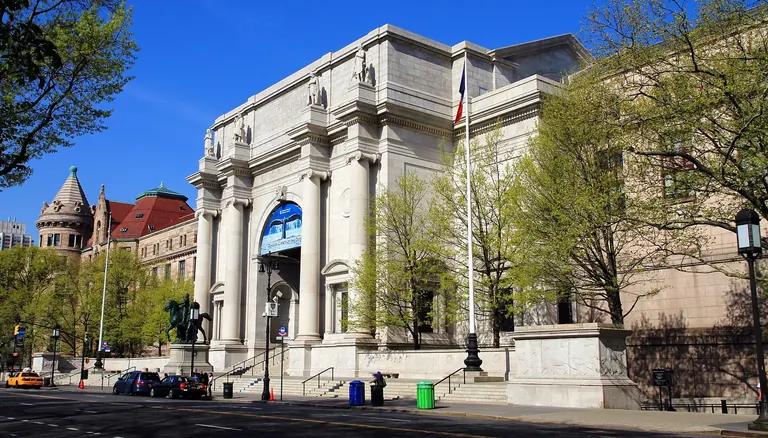
American Museum of Natural History
Founded in 1869 and facing Central Park on Manhattan's Upper West Side, the American Museum of Natural History spans 21 interconnected buildings and around 45 exhibition halls holding some 34 million specimens. Visitors come for its legendary dinosaur and fossil halls, the suspended blue whale model in the Hall of Ocean Life, and the famous wildlife dioramas of African and North American mammals. The Rose Center for Earth and Space and the recently opened Gilder Center for Science, Education, and Innovation bring the museum's research into the present day.
More in New York
What's On
For the Win: Objects of Sports Excellence
Over 70 objects across 15-plus sports, from baseball to soccer, exploring athletic excellence and the global culture of sport, timed to the 2026 World Cup.
Fossils of the Flaming Cliffs: Gobi Excavations
Marking a century of discovery in the Gobi Desert's famed Flaming Cliffs through large-scale photography and casts of landmark fossil finds.
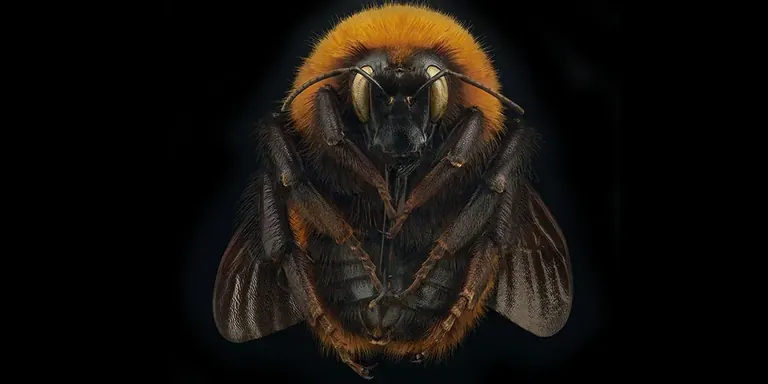
Extinct and Endangered: Insects in Peril
Incredible macro photographs of vulnerable or extinct insects from the Museum's collection by photographer Levon Biss.
Eyes on the Universe: Images from Space Telescopes
More than a dozen striking images captured by the Hubble, James Webb, and Gaia space telescopes, showing star birth, supernovas, and black holes.
Black in Natural History Museums
A timeline exhibition profiling 17 modern and historical Black scientists, artists, and curators across fields from entomology to anthropology, from the 1600s to today.

Davis Family Butterfly Vivarium
Experience the wonder of 500 free-flying butterflies in a room full of lush, tropical plants in the Gilder Center.
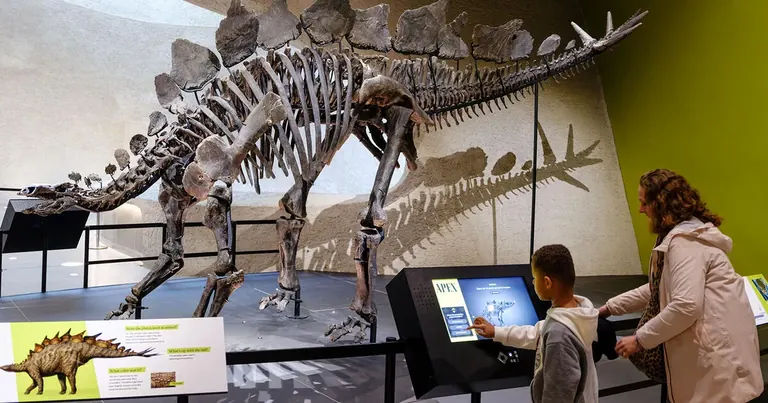
Apex Stegosaurus Fossil
Apex is thought to be the largest and one of the most complete Stegosaurus fossils ever uncovered.
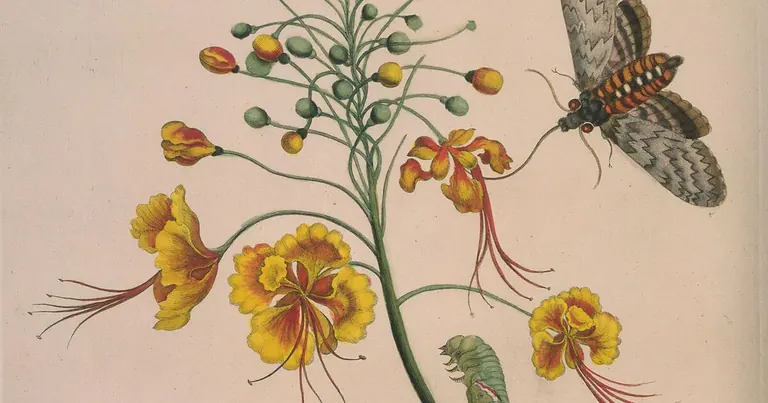
What's in a Name?
Explore the history, significance, and challenges of scientific nomenclature through the Museum Library's collections.
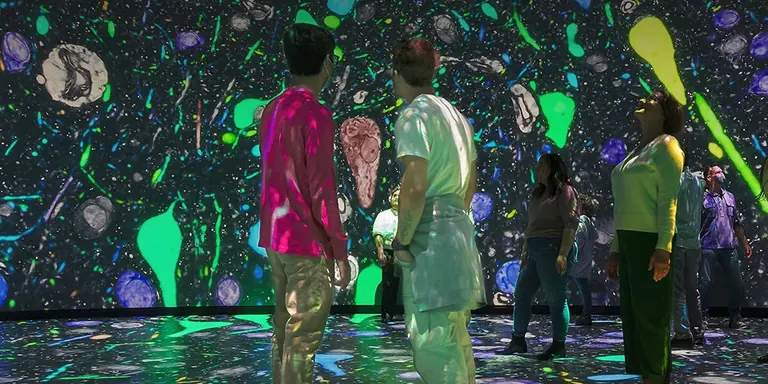
Invisible Worlds
An immersive, interactive 360-degree theater experience in the Gilder Center exploring networks of life at all scales, from the too-fast to the too-small to the too-slow for the human eye.

Encounters in the Milky Way
A Hayden Planetarium space show exploring the dynamism and diversity of the worlds that share our solar system, and the unique conditions that make life on Earth possible.
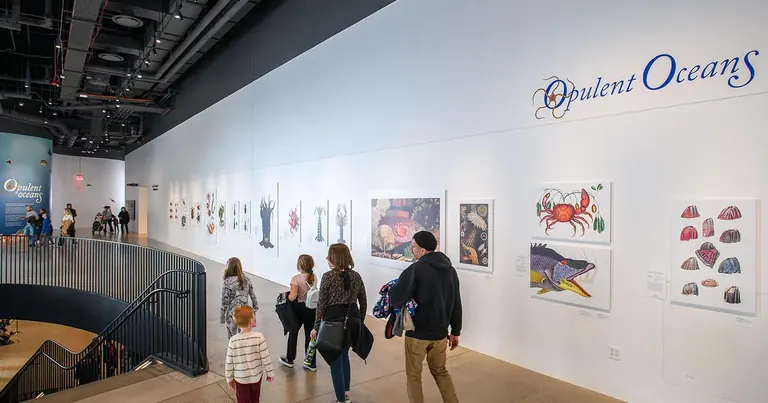
Opulent Oceans
Exquisite reproductions of extraordinary scientific illustrations of marine life from the Museum's Library, on view in the Gilder Center.
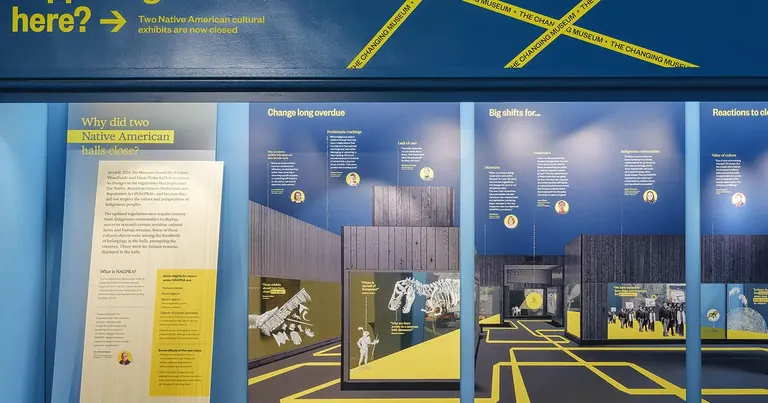
The Changing Museum
Learn about the past, present, and future of representing cultures at the American Museum of Natural History.
The Nature of Color
An interactive exhibition on what color reveals about the natural world and ourselves, from how animals and plants use it to how it shapes mood.
Permanent Collections
Tyrannosaurus rex
The Museum T. rex fossil, mounted in a stalking position: head low, tail extended, one foot slightly raised.
Allison and Roberto Mignone Halls of Gems and Minerals
Reopened in 2021 after major renovation, a showcase for one of the world's most important gem and mineral collections.
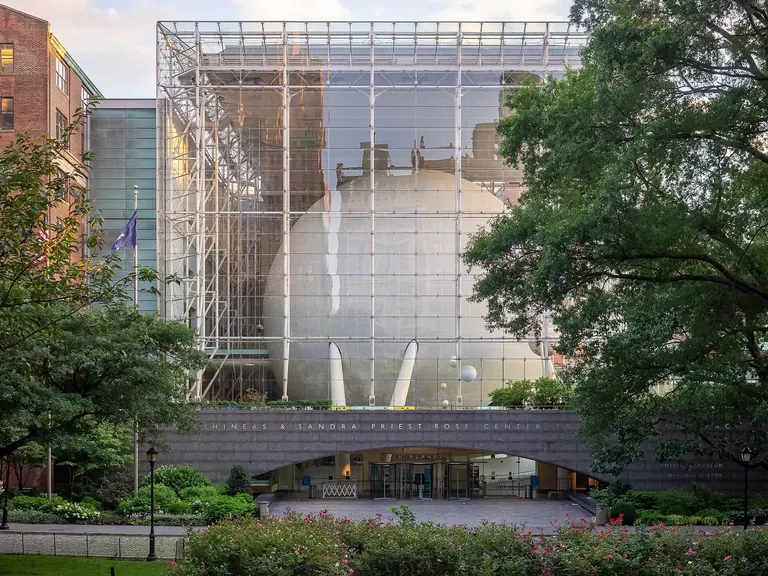
Rose Center for Earth and Space
A glass cube enclosing the great Hayden Sphere, home to the planetarium plus halls tracing 13 billion years of cosmic history and the formation of planets and galaxies.
Northwest Coast Hall
The creativity, scholarship and history of Pacific Northwest Indigenous cultures; the gallery reopened in 2022.
Susan and Peter J. Solomon Family Insectarium
A permanent hall on insects, the most diverse group of animals on Earth, and why they are critical to the planet.
Louis V. Gerstner, Jr. Collections Core
More than 3,000 objects from the Museum research collections, from astrophysics to zoology.
Blue Whale
The 94-foot model of a blue whale suspended in the Milstein Hall of Ocean Life.
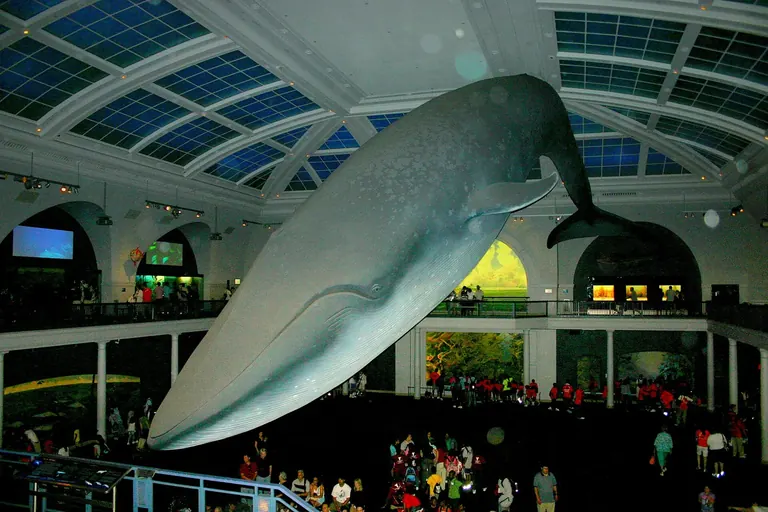
Milstein Hall of Ocean Life
The museum's signature 94-foot blue whale model hangs above more than 750 marine creatures shown in 14 classic dioramas and ocean ecosystem displays.
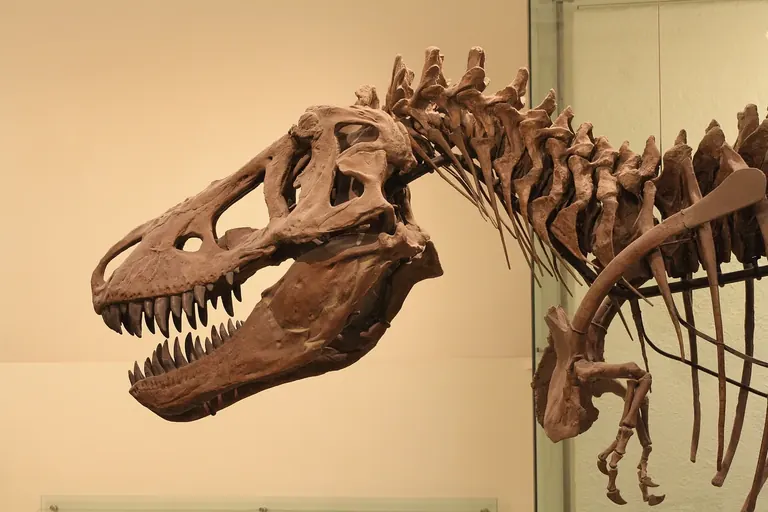
Hall of Saurischian Dinosaurs
One of the museum's two famed dinosaur halls, anchored by the towering mounts of Tyrannosaurus rex and Apatosaurus and a real dinosaur trackway.
Plan Your Visit
Getting there
200 Central Park West, New York, NY 10024, United States
Nearest station: 81st Street-Museum of Natural History (B, C), 79th Street (1) and 86th Street (1)
Show on mapHours
| MonToday | 10:00–17:30 |
| Tue | 10:00–17:30 |
| Wed | 10:00–17:30 |
| Thu | 10:00–17:30 |
| Fri | 10:00–17:30 |
| Sat | 10:00–17:30 |
| Sun | 10:00–17:30 |
Admission
From $25
Suggested general admission; pay-what-you-wish for New York State residents with ID. Special exhibitions, the planetarium space show, and films cost extra.
Last verified
Nearby
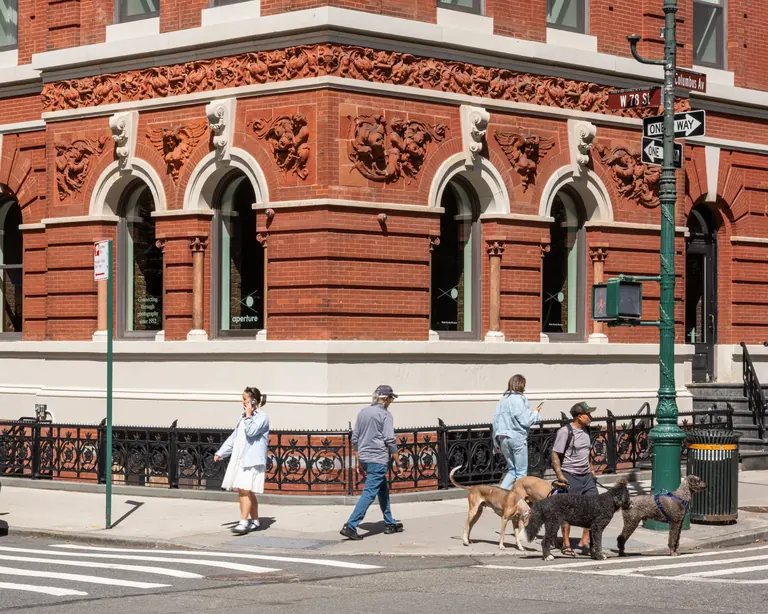
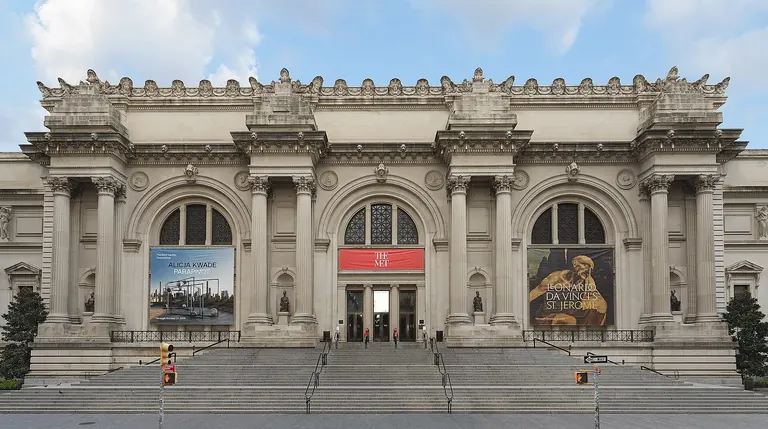
Visitor Information
- How much does American Museum of Natural History cost?
- Standard adult admission to American Museum of Natural History is $25. Suggested general admission; pay-what-you-wish for New York State residents with ID. Special exhibitions, the planetarium space show, and films cost extra.. Prices for special exhibitions and timed-entry slots may differ.
- What are the opening hours of American Museum of Natural History?
- American Museum of Natural History is open Open daily 10am-5:30pm; closed Thanksgiving and Christmas Day.. Holiday hours can vary, so check the museum's website before you go.
- Where is American Museum of Natural History?
- American Museum of Natural History is located at 200 Central Park West, New York, NY 10024, United States, in the Upper West Side area of New York. The nearest stations are 81st Street-Museum of Natural History (B, C), 79th Street (1) and 86th Street (1).
- What can I see at American Museum of Natural History?
- One of the world's great natural history museums: towering dinosaur fossils, a 94-foot blue whale, and a space-age planetarium. Current highlights include Tyrannosaurus rex, Allison and Roberto Mignone Halls of Gems and Minerals and For the Win: Objects of Sports Excellence.
- Do I need to book American Museum of Natural History in advance?
- Booking ahead is recommended, especially for weekends, school holidays, and special exhibitions. Tickets are normally on the museum's website, and a pre-booked timed slot helps you avoid queues at the entrance.
- When is the best time to visit American Museum of Natural History?
- Weekday mornings shortly after opening are typically the quietest, especially mid-week. Late afternoons can also be calmer. Weekends, school holidays, and the lunch rush are the busiest periods.
Image credits
16
- American Museum of Natural HistoryIngfbruno, Wikimedia Commons, CC BY-SA 3.0
- Rose Center for Earth and SpaceAjay Suresh, Wikimedia Commons, CC BY 2.0
- Extinct and Endangered: Insects in PerilCourtesy of American Museum of Natural History
- Davis Family Butterfly VivariumCourtesy of American Museum of Natural History
- Milstein Hall of Ocean LifeRoland Arhelger, Wikimedia Commons, CC BY-SA 4.0
- Apex Stegosaurus FossilCourtesy of American Museum of Natural History
- What's in a Name?Courtesy of American Museum of Natural History
- Invisible WorldsCourtesy of American Museum of Natural History
- Encounters in the Milky WayCourtesy of American Museum of Natural History
- Hall of Saurischian DinosaursRyan Schwark, Wikimedia Commons, CC0
- Opulent OceansCourtesy of American Museum of Natural History
- The Changing MuseumCourtesy of American Museum of Natural History
- ApertureCourtesy of Aperture
- The Metropolitan Museum of ArtHugo Schneider, via Wikimedia Commons, CC BY-SA 2.0
- Neue Galerie New YorkFrancesca.hyanna19 via Wikimedia Commons, CC BY-SA 4.0
- The Frick CollectionJim.henderson / Wikimedia Commons, Public domain