 i
The Metropolitan Museum of ArtUpper East Side
Afterlives: Contemporary Art in the Byzantine Crypt
Brings together modern-day works that reckon with death and visualize the afterlife with Byzantine Egyptian funerary art and artifacts.
More in New York
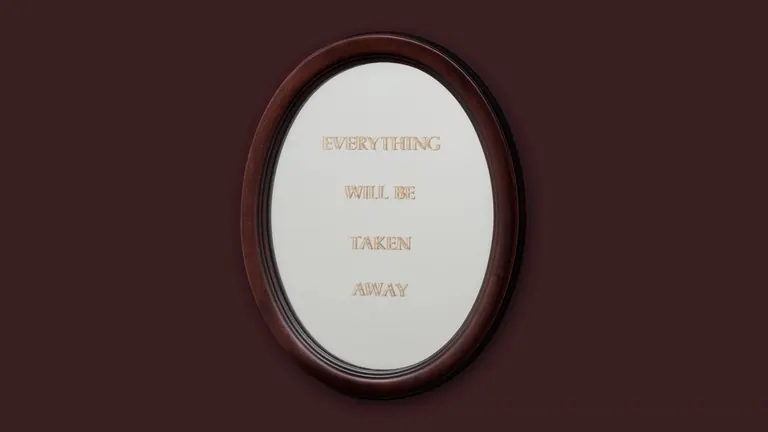
In the middle of the Byzantine Crypt hangs a mirror that reads "Everything Will Be Taken Away", and you read it with your own face behind the words. Adrian Piper's Everything #4 turns up in four more galleries at Fifth Avenue and one at The Met Cloisters, which the Wall Street Journal's critic compared to a scavenger hunt.
The Crypt is a low-lit brick gallery built into the space under the Grand Staircase. Its 1,500-year-old jewelry, textiles, ivories and stelae from Byzantine Egypt sit beside about a dozen works made since 1960 that deal with death, such as Paul Fusco's photographs from Robert F. Kennedy's funeral train. The contemporary pieces rotate, so check before you go for one in particular.
The Journal found most of the pairings of old and new "tenuous at best", but called several of the recent works deeply affecting. It's free with Museum admission, in Gallery 302.
Look for
Adrian Piper's mirrors
Look for the mirrors reading "Everything Will Be Taken Away": one in the Crypt, four in other Fifth Avenue galleries and one in the Cloisters' Gothic Chapel.
Paul Fusco's RFK Funeral Train
Photographs taken from Robert F. Kennedy's funeral train in June 1968, with crowds lining the tracks and staring back at the camera.
Michael Aschenbrenner's glass bones
Broken bones made of glass, mended with wire and strips of fabric and splinted with thin twigs, from his Damaged Bone Series of 1990.
Anita Huffington's Persephone
A classically styled pink alabaster female torso, carved in memory of the artist's daughter, who died at 23.
The Dionysian bone carvings
Small fourth- to sixth-century plaques of Dionysos, Silenus, Victory and the Nile, which the Journal points out are celebrations rather than laments.
Good for
- An Hour Or Less
- Locals Who've Seen It All
- Nerding Out
Skip if
You want old and new tightly paired: the WSJ critic found most links "tenuous at best".
Also at The Metropolitan Museum of Art
On now nearby

Nearby
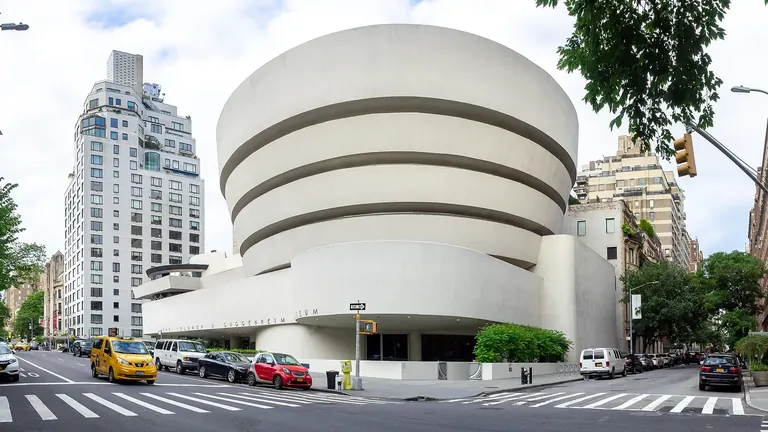
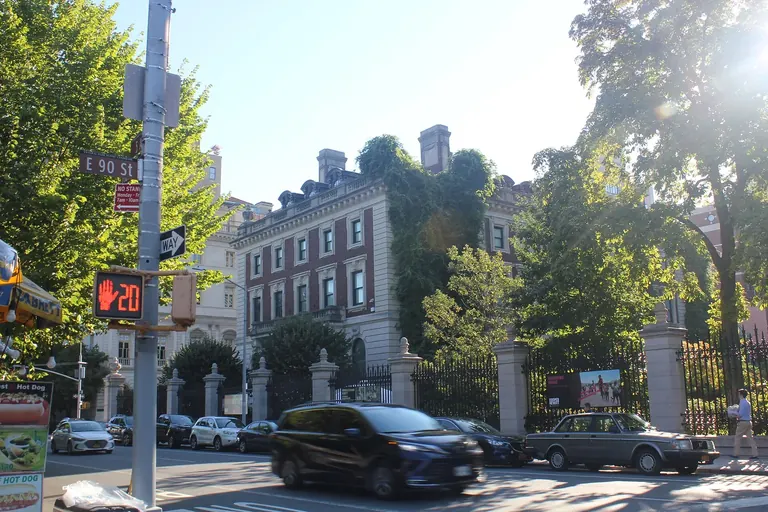
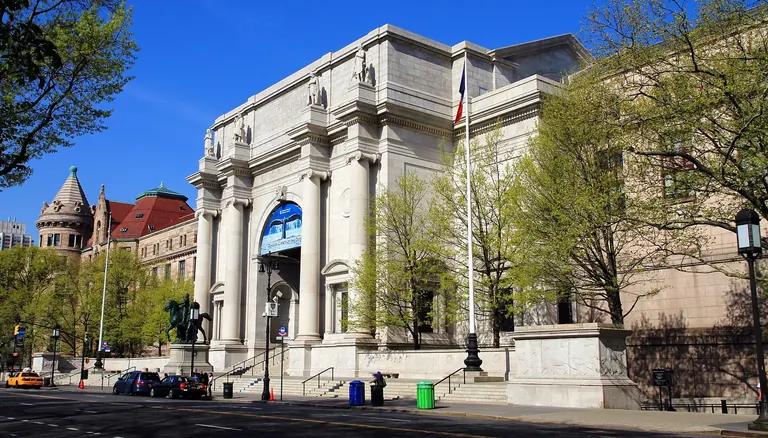
Image credits
9
- Afterlives: Contemporary Art in the Byzantine CryptCourtesy of The Metropolitan Museum of Art
- Collection in Focus: Modern European CurrentsPhoto: Ariel Ione Williams, Solomon R. Guggenheim Museum, New York
- Guggenheim Pop: 1960 to NowCourtesy of Solomon R. Guggenheim Museum
- Taryn Simon | Father Country I Do Love YouCourtesy of Solomon R. Guggenheim Museum
- The Metropolitan Museum of ArtHugo Schneider, via Wikimedia Commons, CC BY-SA 2.0
- Neue Galerie New YorkFrancesca.hyanna19 via Wikimedia Commons, CC BY-SA 4.0
- Solomon R. Guggenheim MuseumAjay Suresh, via Wikimedia Commons, CC BY 2.0
- Cooper Hewitt, Smithsonian Design MuseumEpicgenius, Wikimedia Commons, CC BY-SA 4.0
- American Museum of Natural HistoryIngfbruno, Wikimedia Commons, CC BY-SA 3.0