 i
Natural History Museum Vienna (Naturhistorisches Museum Wien)Innere Stadt
GENchangers: Unraveled Secrets from Early Medieval Burial Grounds
Genetics and archaeology reveal family ties in two early medieval burial grounds near Vienna, retelling the Migration Period through ordinary people's lives. Hall 21.
More in Vienna
In 8th-century Leobersdorf, most people were of East Asian descent. Twenty kilometres away in Mödling, they were European. Archaeology would never have told them apart: both buried their dead with near-identical jewellery and the same belt buckles. Ancient DNA did, and the team joked the show could have been called "Mödling and Leobersdorf don't sleep together". Both towns are now on the same Südbahn line.
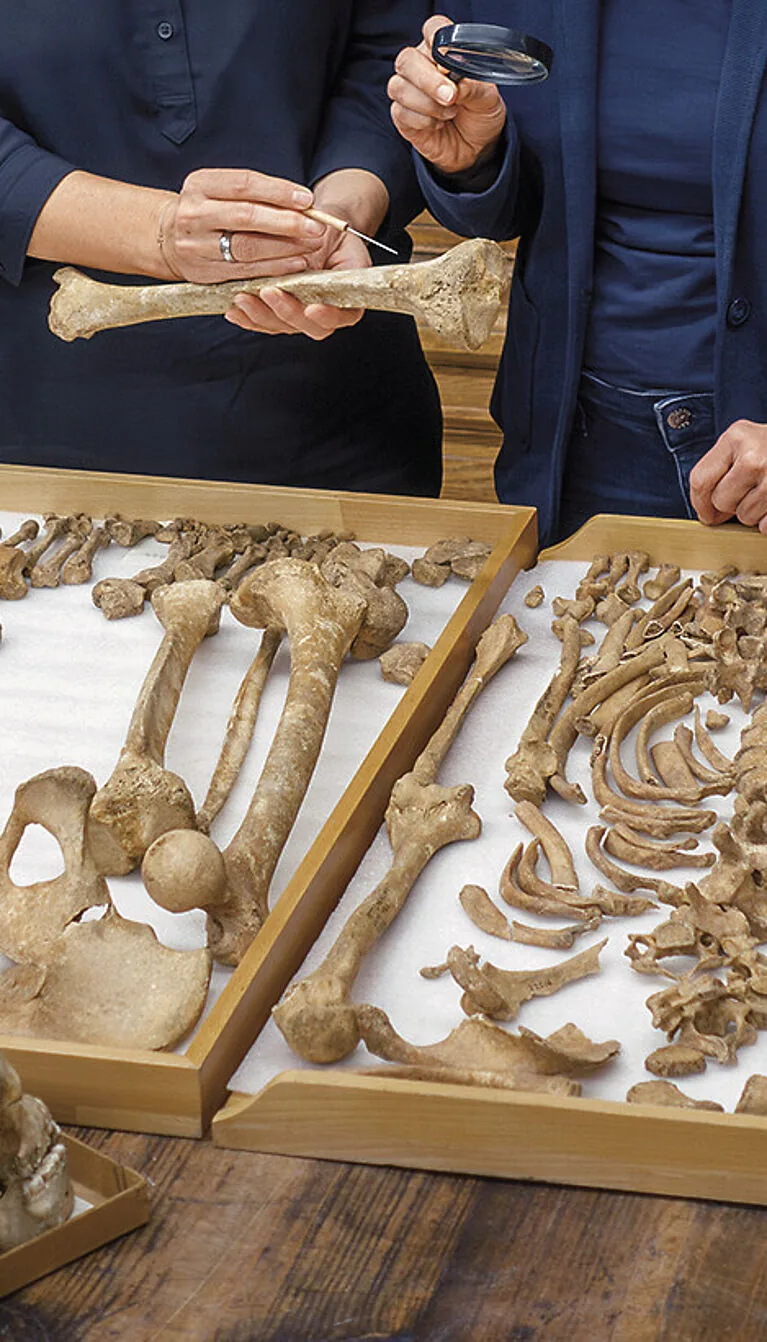
You start at a round centrepiece on those two Avar-period cemeteries, where rebuilt family trees show who had children with whom and who lies next to whom. Wives tended to come from outside, and relatives were buried side by side. Eight stations around it widen out to Huns, Goths, Lombards, Slavs and Roman Pannonia, drawing on HistoGenes, a project covering 7,700 burials. Historian Walter Pohl's conclusion: "Culture is not biologically determined."
It is in Hall 21, with hands-on areas where you follow the clues in bones, genes and artefacts. Entry is the €18 museum ticket, under-19s free. Closed Tuesdays, open until 20:00 on Wednesdays.
Look for
The round centrepiece
Look for the circular display at the heart of the room, where family trees rebuilt from ancient DNA show that neighbouring Leobersdorf and Mödling never intermarried.
The girl at the childhood station
One of the eight stations tells the story of childhood through a girl aged six to eight, whose reconstructed family tree reaches across six generations.
Good for
- Evening Visits
- Nerding Out
With kids
Under-19s get in free, and there are hands-on areas plus a childhood station built around a girl aged six to eight. The tie-in children's book "Das Glasperlenteam" (Tyrolia, €25) shows how different specialists crack the puzzle together.
Also at Natural History Museum Vienna (Naturhistorisches Museum Wien)
On now nearby
Nearby
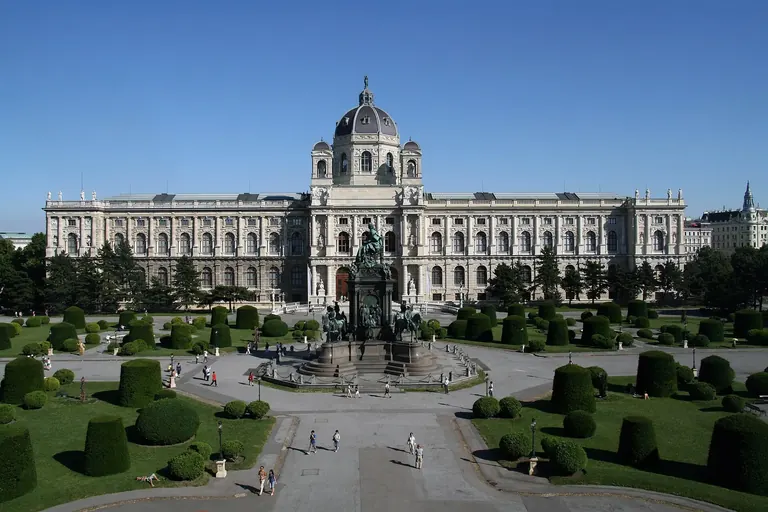
Image credits
9
- GENchangers: Unraveled Secrets from Early Medieval Burial Grounds© NHM Wien (Foto: Wolfgang Reichmann)
- Tolia Astakhishvili: Figure of the Childmumok – Museum moderner Kunst Stiftung Ludwig Wien
- Terminal Piecemumok – Museum moderner Kunst Stiftung Ludwig Wien
- 20 Years of VIENNA DESIGN WEEK: A City Full of Posters© Graphic Design: SIRENE Studio
- Natural History Museum Vienna (Naturhistorisches Museum Wien)Stb1er (Dario Premm), Wikimedia Commons, CC BY-SA 4.0
- Kunsthistorisches Museum WienManfred Werner (Tsui), Wikimedia Commons, CC BY-SA 3.0
- Architekturzentrum Wien (Az W)Spock1801 / Wikimedia Commons, CC BY-SA 4.0
- Kunsthalle WienStephan Wyckoff / PresseKunsthalleWien, via Wikimedia Commons, CC BY-SA 4.0
- mumok – Museum moderner Kunst Stiftung Ludwig WienAndrzej Otrębski / Wikimedia Commons, CC BY-SA 4.0