 i
Natural History Museum Vienna (Naturhistorisches Museum Wien)Innere Stadt
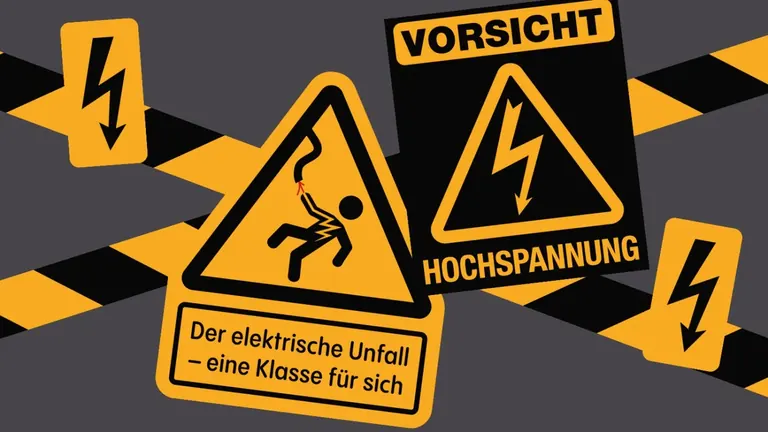
Caution, high voltage! Electrical accidents – a class of their own
At the NHM's Narrenturm site (Spitalgasse 2, 1090), a show on electropathology: Vienna's pioneering research, electricity's effects on the body, first aid and prevention.
More in Vienna
In 1882 an engineer died in Austria's first known fatal electrical accident, and nobody tried to revive him: no one believed it was possible. The Viennese internist Stefan Jellinek spent decades proving otherwise, and the enamel sign from his Electropathological Museum, nicknamed the "Stromtotenmuseum", now hangs in the Narrenturm.
Three rooms hold specimens from his collection, which came here after that museum closed in 2002, with case histories and wall drawings of people caught by red lines of current. You finish on prevention, including the FI circuit breaker that physicist Gottfried Biegelmeier helped develop, partly by testing currents on himself. The curators say they avoided shock effects, though Der Standard notes some explicit displays.
Entry is €8, free for under-19s, or €22 combined with the main NHM. It is open Wednesday to Saturday, 10:00 to 17:00, at Spitalgasse 2 on the old hospital campus. Photography isn't allowed.
Look for
The old museum sign
Look for the enamel nameplate reading "Elektropathologisches Museum, Prof. Dr. Stefan Jellinek", the original museum this show revives.
The specimen cases
Glass jars and cases of preserved tissue from Jellinek's collection show what electric current does to skin and the body.
The warning-sign column
A pillar is plastered with high-voltage warning signs from different countries, including a Ukrainian "Stop! Voltage" sign in Cyrillic.
Good for
- Cheap Culture
- Locals Who've Seen It All
- Nerding Out
Skip if
You'd rather not see human remains: the show displays preserved specimens of electrical injuries.
With kids
Under-19s get in free, and the museum says it wants to reach teenagers tempted to ride on top of trains. Expect preserved human specimens, some of them explicit.
Also at Natural History Museum Vienna (Naturhistorisches Museum Wien)
On now nearby
Nearby
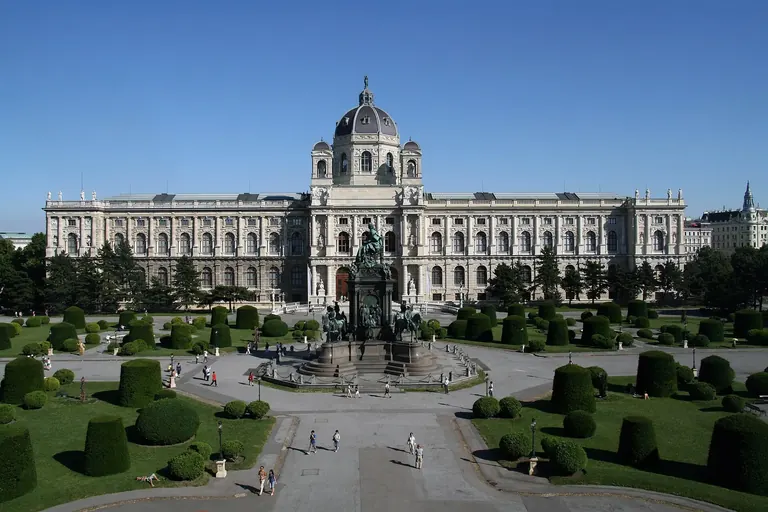
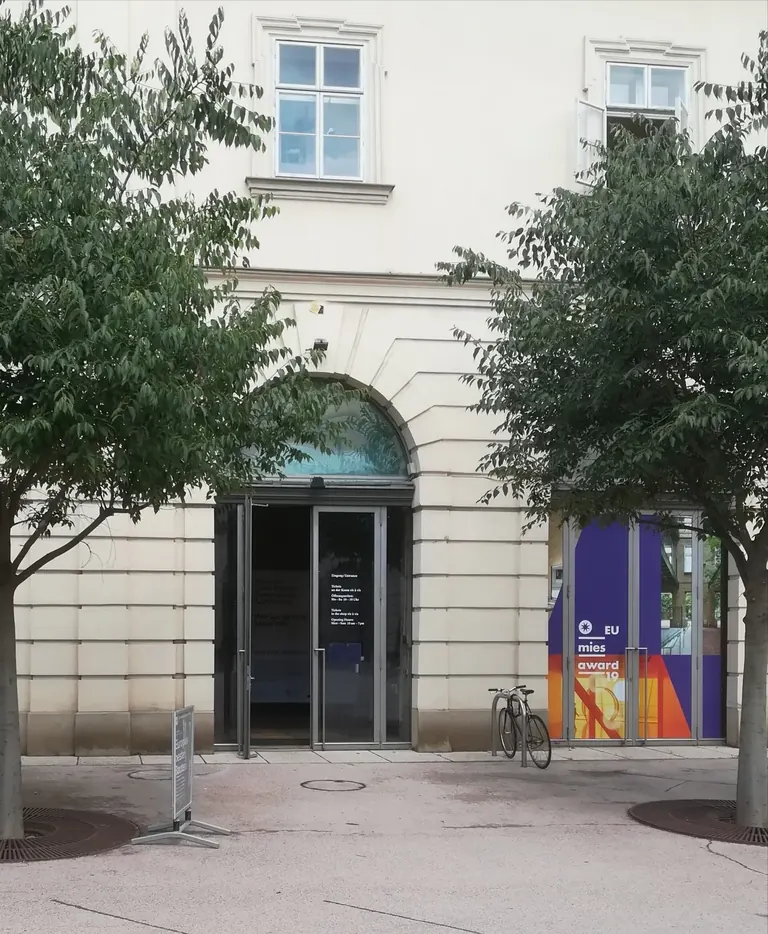
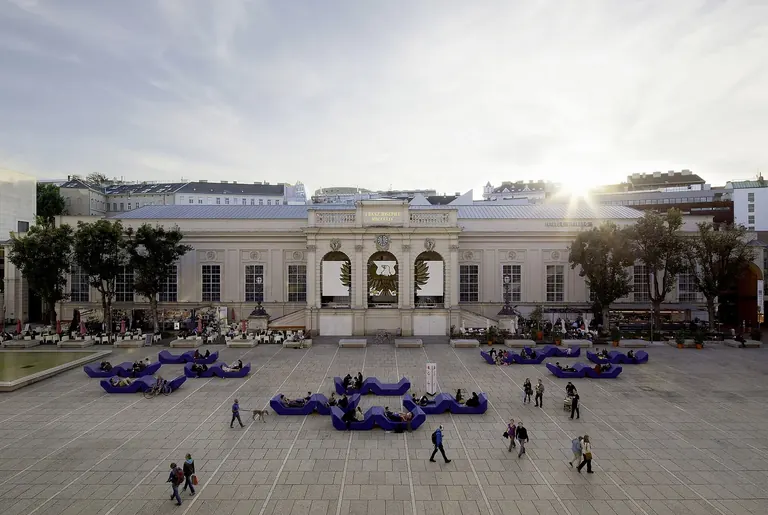
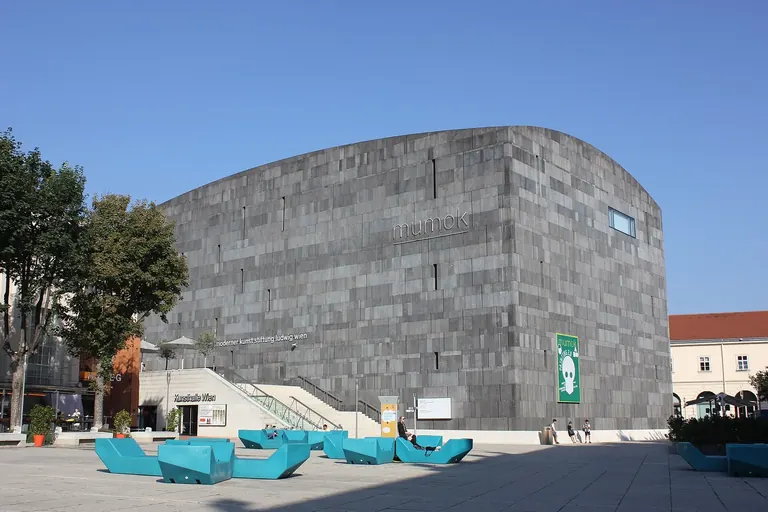
Image credits
9
- Caution, high voltage! Electrical accidents – a class of their ownNHM Wien
- Tolia Astakhishvili: Figure of the Childmumok – Museum moderner Kunst Stiftung Ludwig Wien
- Terminal Piecemumok – Museum moderner Kunst Stiftung Ludwig Wien
- 20 Years of VIENNA DESIGN WEEK: A City Full of Posters© Graphic Design: SIRENE Studio
- Natural History Museum Vienna (Naturhistorisches Museum Wien)Stb1er (Dario Premm), Wikimedia Commons, CC BY-SA 4.0
- Kunsthistorisches Museum WienManfred Werner (Tsui), Wikimedia Commons, CC BY-SA 3.0
- Architekturzentrum Wien (Az W)Spock1801 / Wikimedia Commons, CC BY-SA 4.0
- Kunsthalle WienStephan Wyckoff / PresseKunsthalleWien, via Wikimedia Commons, CC BY-SA 4.0
- mumok – Museum moderner Kunst Stiftung Ludwig WienAndrzej Otrębski / Wikimedia Commons, CC BY-SA 4.0