Mori Art MuseumRoppongi Hills, Minato
Mori Art Award 2026 Grand Prize Exhibition: Katayama Mari
Showcase for Katayama Mari, first Grand Prize winner of the Mori Art Award, whose analogue photography, embroidery and needlework extend the boundaries of her own body.
More in Tokyo
Preview: written before the show opened
In the tree of life photographs, Katayama Mari poses with a hand-stitched tube three metres by twenty, sprouting several limbs, the largest soft sculpture she had made. The V&A in London, which commissioned the series and now holds it, says the reflections that warp her figure turn it into shapes like maps, rivers, blood vessels and roots.
Katayama, born in 1987 and based in Gunma, builds self-portraits around objects she sews by hand and shoots on film. This show is the prize for the first Mori Art Award Grand Prize, chosen by a jury of museum directors that included former heads of MoMA and Tate Modern. It centres on an installation including the series.
You don't need a separate ticket: entry comes with Mariko Mori: All That Shines, ¥2,800 on weekdays and ¥3,000 at weekends, in timed slots. It's open until 22:00 except Tuesdays (17:00), and on 31 October it stays open until 6am for Roppongi Art Night. Photos are allowed without flash.
Look for
The tree of life series (2024-)
Self-portraits of Katayama with a many-limbed, hand-stitched tube about 20 metres long, its warped reflections suggesting rivers, blood vessels, branches and roots.
Good for
- Dates
- Evening Visits
With kids
Children up to junior high school age get in free, and the same ticket covers Mariko Mori: All That Shines.
Also at Mori Art Museum
On now nearby

Nearby
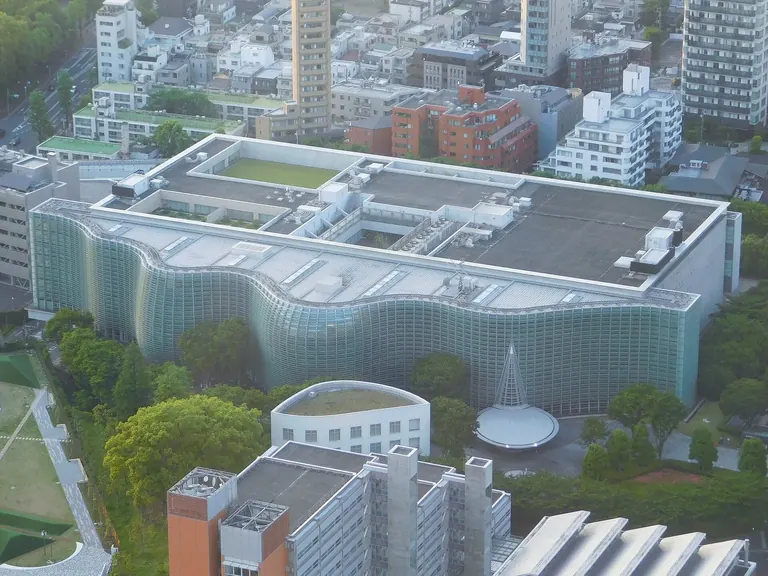
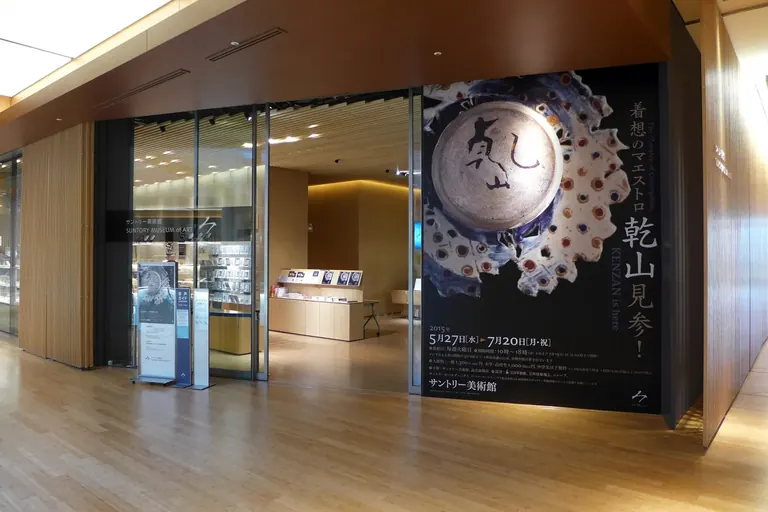
Image credits
8
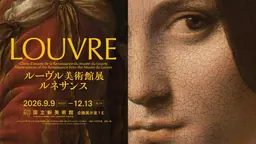
- Masterpieces of the Renaissance from the Musée du LouvreCourtesy of The National Art Center, Tokyo
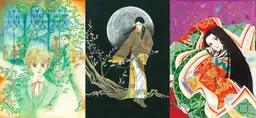
- Shojo Manga Infinity: Moto Hagio, Ryoko Yamagishi, and Waki Yamato(left) © Moto Hagio / Shogakukan (center) © Ryoko Yamagishi (right) © Waki Yamato / Kodansha
- Masterpieces from the Itsuo Art Museum Collection: Buson, Go Shun, and the Art of TeaCourtesy of Suntory Museum of Art
- Mori Art MuseumCharles Deluvio via Wikimedia Commons, CC0
- The National Art Center, TokyoAkonnchiroll / Wikimedia Commons, CC BY-SA 4.0
- Suntory Museum of ArtWpcpey, CC BY-SA 4.0
- 21_21 DESIGN SIGHTDaderot, CC0
- teamLab BorderlessSupanut Arunoprayote, CC BY 4.0