 i
Mori Art MuseumRoppongi Hills, Minato
Mariko Mori: All That Shines
Japan's first major Mariko Mori retrospective since 2002, spanning three decades from her 1990s Cyborg series to recent installations shaped by Buddhist philosophy and science.
More in Tokyo
Preview: written before the show opened
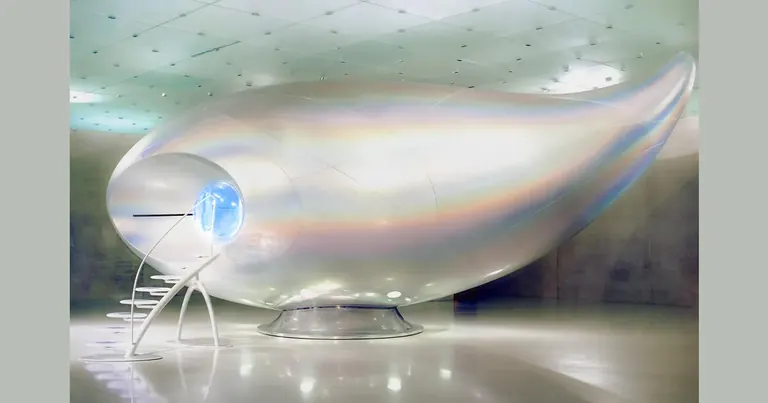
In Wave UFO (1999-2002), visitors enter a biomorphic pod where their brain activity is translated into projected imagery. The museum bills it as the first artwork ever to use brainwave biofeedback, and only a limited number of people will get inside it during this show.
Around it sit some forty works in five chronological sections: mid-1990s Cyborg photographs that borrow from anime, video games and cosplay, then Link (2000), where Mori lies motionless in a Plexiglas capsule while thirteen famous sites slide past behind her. That is you, asleep on the last Chuo Rapid, waking up in Takao. The route ends with the Faou Foundation's outdoor works and an archive room.
Weekday tickets are ¥2,800 (¥2,600 online), ¥3,000 at weekends. Entry is only while time slots remain, and the Wave UFO pod needs advance registration and a separate fee, details to follow. Open until 22:00; Tuesdays close at 17:00.
Editor's pick
In Wave UFO, an 11-metre pod, your brainwaves become projected imagery; slots are limited and booked separately. Around it, three decades of Mariko Mori, from her anime-and-cosplay Cyborg photographs to Buddhist-inflected installations, 53 floors above Roppongi.
Look for
The Cyborg photographs (1994-95)
Mori casts herself as a post-human woman in everyday urban settings, in costumes borrowed from anime, video games and cosplay.
Link (2000)
A video installation of Mori lying inert in a transparent Plexiglas body capsule against vistas of thirteen sites from antiquity, the present and the future.
Wave UFO (1999-2002)
A pod over 11 metres long (528 x 1,134 x 493 cm) with a vision dome, where a visitor's brain activity becomes projected imagery. Entry is limited and needs a separate booking.
Tom Na H-iu (2006)
A glass and steel totem about 3 metres tall that flashes in real time with data from Japan's Super-Kamiokande neutrino observatory.
The Archive and Studio rooms
Photos from Mori's early modelling days, performance videos, idea sketches, research notebooks and ancient objects from her own collection.
Good for
- Evening Visits
- Nerding Out
- Out-Of-Town Guests
With kids
Children up to junior high age get in free. Entering the Wave UFO pod is a separate paid, limited-slot booking.
Also at Mori Art Museum
On now nearby

Nearby
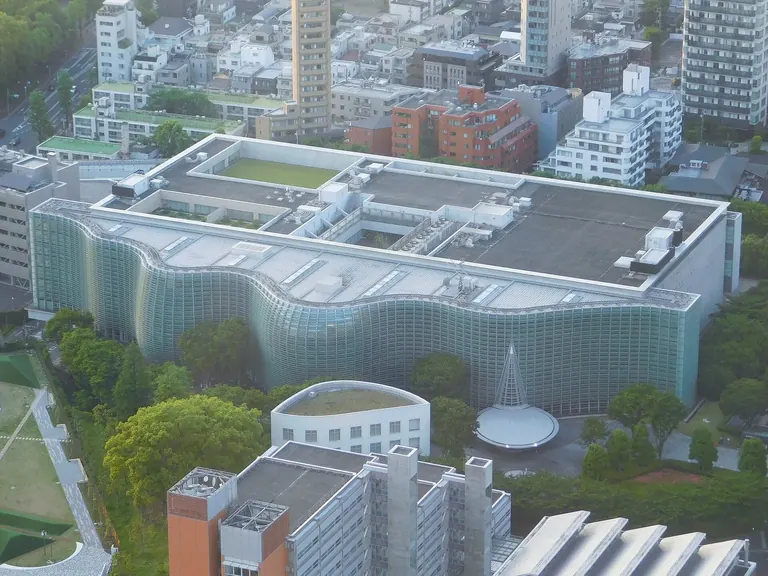
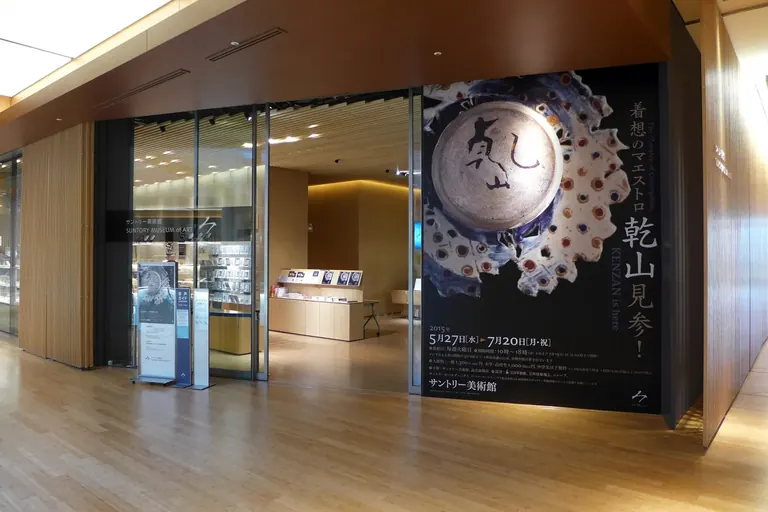
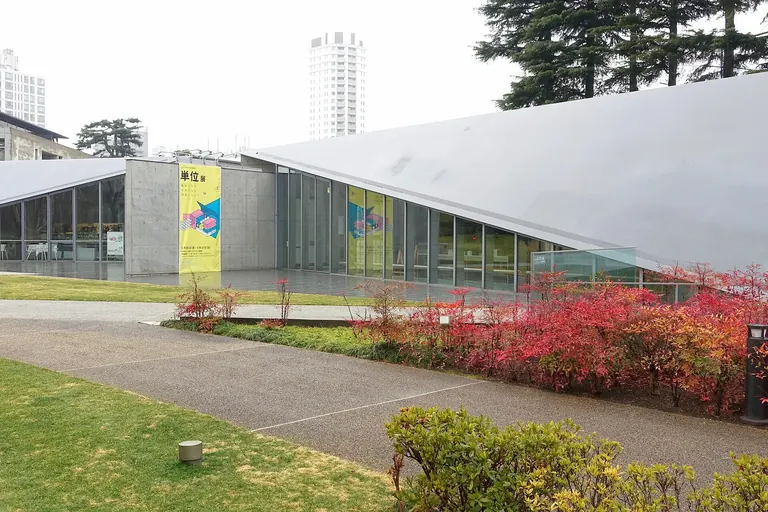
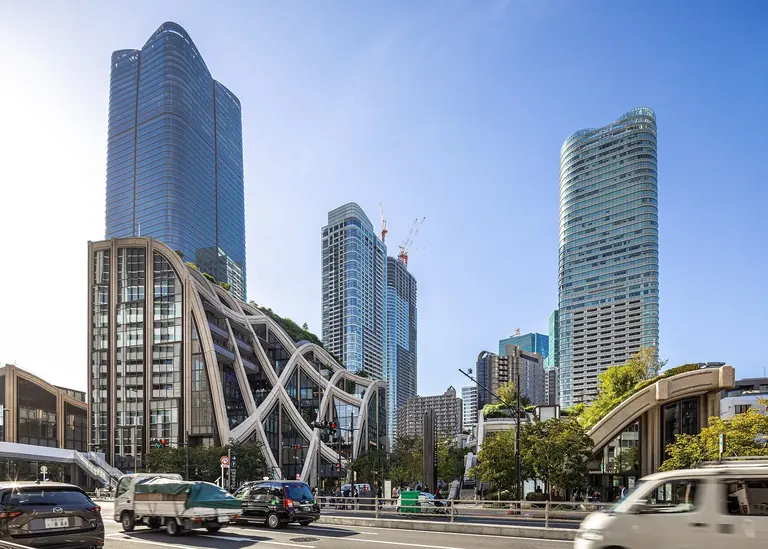
Image credits
9
- Mariko Mori: All That ShinesCourtesy of Mori Art Museum
- Masterpieces of the Renaissance from the Musée du LouvreCourtesy of The National Art Center, Tokyo
- Shojo Manga Infinity: Moto Hagio, Ryoko Yamagishi, and Waki Yamato(left) © Moto Hagio / Shogakukan (center) © Ryoko Yamagishi (right) © Waki Yamato / Kodansha
- Masterpieces from the Itsuo Art Museum Collection: Buson, Go Shun, and the Art of TeaCourtesy of Suntory Museum of Art
- Mori Art MuseumCharles Deluvio via Wikimedia Commons, CC0
- The National Art Center, TokyoAkonnchiroll / Wikimedia Commons, CC BY-SA 4.0
- Suntory Museum of ArtWpcpey, CC BY-SA 4.0
- 21_21 DESIGN SIGHTDaderot, CC0
- teamLab BorderlessSupanut Arunoprayote, CC BY 4.0