 i
The National Art Center, TokyoRoppongi
Masterpieces of the Renaissance from the Musée du Louvre
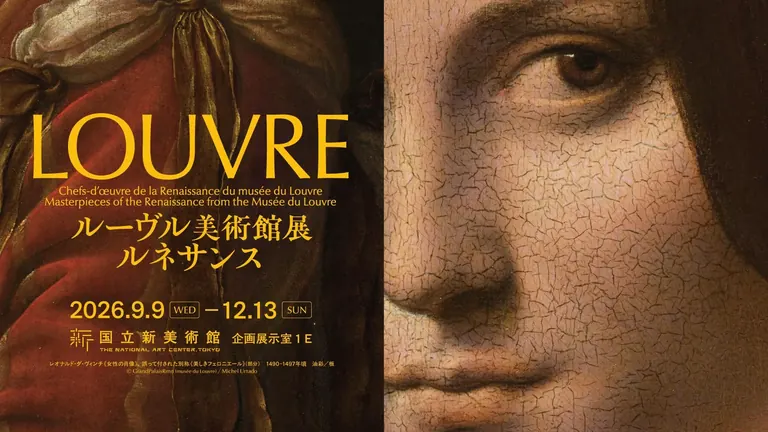
Over 50 Louvre masterpieces trace 15th-16th century Renaissance art, including the Japan debut of Leonardo da Vinci's "Portrait of a Woman" (La Belle Ferronnière).
More in Tokyo
The woman in Leonardo's Portrait of a Woman turns her body one way and her face another, which the National Art Center's senior curator, Ayako Miyajima, names as the painting's key innovation. Slightly smaller than life-size and believed to show Lucrezia Crivelli, a favourite of Duke Ludovico Sforza, it is in Japan for the first time, 52 years after the Mona Lisa.
More than 50 Louvre works are grouped in four sections: travel, technique, the reading of antiquity, and portraiture. Dürer's rhinoceros woodcut, about 24 by 30 centimetres, sits among them. He drew it without ever seeing the animal, much as you find the right exit at Roppongi Station from a friend's text.
Adults pay ¥2,400 at the door, and the galleries stay open until 20:00 on Fridays and Saturdays. From 7 to 13 December entry is by timed reservation only. Miyajima says this thematic arrangement of the loans won't be repeated.
Editor's pick
Leonardo's Portrait of a Woman, La Belle Ferronnière, in Japan for the first time: her body turns one way, her face another. More than 50 Louvre works around it, including Dürer's rhinoceros woodcut, made without his ever seeing one.
Look for
Leonardo's Portrait of a Woman
A slightly under-life-size sitter whose body and face face different ways, with an expression the museum's own essay says is hard to read.
Dürer's The Rhinoceros
A 1515 woodcut of an armoured rhinoceros that Dürer made from descriptions and sketches, printed eight times in all.
Raimondi's The Judgment of Paris
An engraving after Raphael, the only surviving record of Raphael's composition for the scene.
Titian's Portrait of Francis I of France
A royal portrait of the French king, painted around 1538.
Good for
- Evening Visits
- First-Timers
- Out-Of-Town Guests
With kids
Visitors aged 15 and under enter free. High school students pay ¥1,000, and free from 1 to 14 October.
Free in the same building
Plan a visit to The National Art Center, TokyoAlso at The National Art Center, Tokyo
On now nearby

Nearby
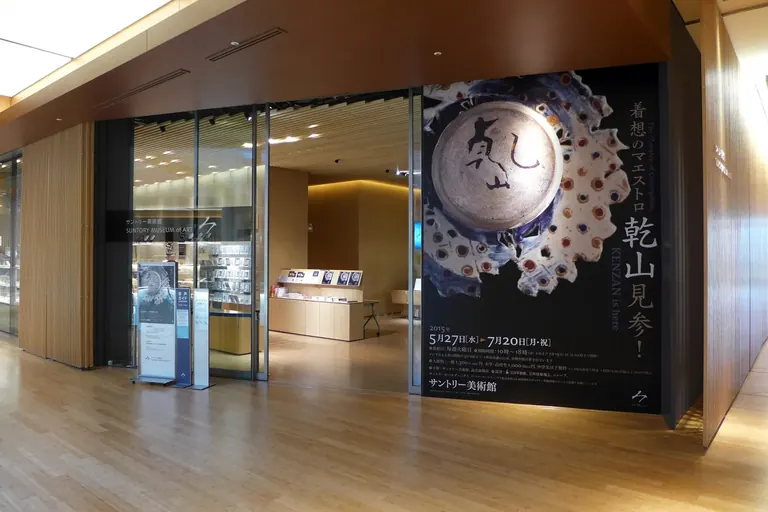
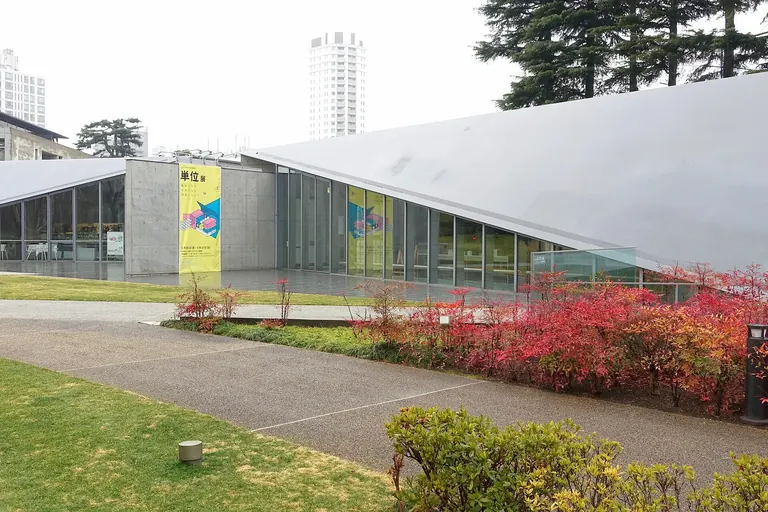
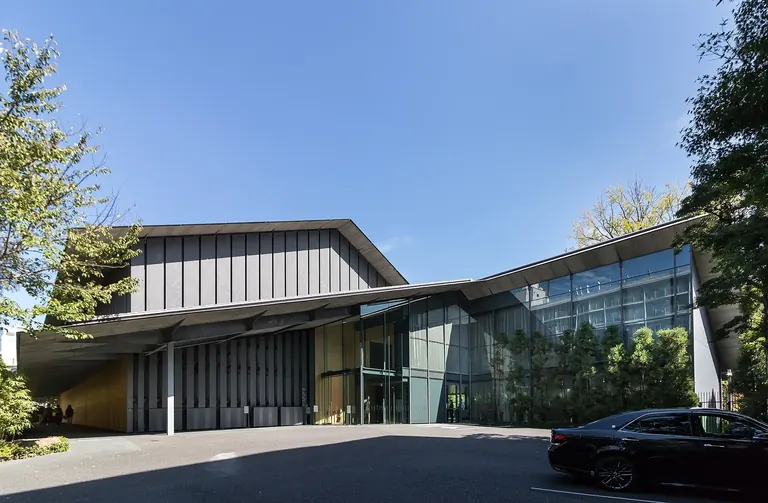
Image credits
7
- Masterpieces of the Renaissance from the Musée du LouvreCourtesy of The National Art Center, Tokyo
- Masterpieces from the Itsuo Art Museum Collection: Buson, Go Shun, and the Art of TeaCourtesy of Suntory Museum of Art
- The National Art Center, TokyoAkonnchiroll / Wikimedia Commons, CC BY-SA 4.0
- Suntory Museum of ArtWpcpey, CC BY-SA 4.0
- 21_21 DESIGN SIGHTDaderot, CC0
- Mori Art MuseumCharles Deluvio via Wikimedia Commons, CC0
- Nezu MuseumKakidai / Wikimedia Commons, CC BY-SA 4.0