 i
The National Art Center, TokyoRoppongi
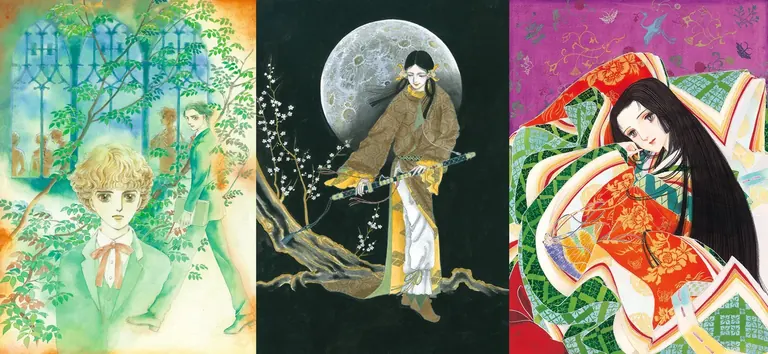
Shojo Manga Infinity: Moto Hagio, Ryoko Yamagishi, and Waki Yamato
A retrospective on three pioneering shojo-manga artists, tracing their careers from the late 1960s to today through original drawings and archival material.
More in Tokyo
Preview: written before the show opened
Billed as the first large-scale shojo manga exhibition at one of Japan's national museums, this marks the National Art Center's 20th anniversary. Moto Hagio, Ryoko Yamagishi and Waki Yamato all debuted at the end of the 1960s and became central figures of the 1970s golden age of shojo manga.
Original drawings and archival material trace each career, from Hagio's The Poe Clan to Yamagishi's Emperor of the Land of the Rising Sun and Yamato's Haikara-San: Here Comes Miss Modern. Curator Rei Yoshimura says the real value of 1970s shojo was the diversity of topics it covered. The works are shown in two terms, with different colour pieces in each, to protect them.
Adults pay ¥2,200 at the door, or ¥2,000 in advance until 27 October. Children 15 and under go free, and the galleries stay open until 20:00 on Fridays and Saturdays.
Editor's pick
Original drawings and archival material from Moto Hagio, Ryoko Yamagishi and Waki Yamato, three shojo manga artists whose careers run from the late 1960s to today.
Good for
- Evening Visits
- Nerding Out
- Teenagers
With kids
Children 15 and under, and visitors with disabilities plus one caregiver, enter free. High school students pay ¥500.
Free in the same building
Plan a visit to The National Art Center, TokyoAlso at The National Art Center, Tokyo
On now nearby

Nearby
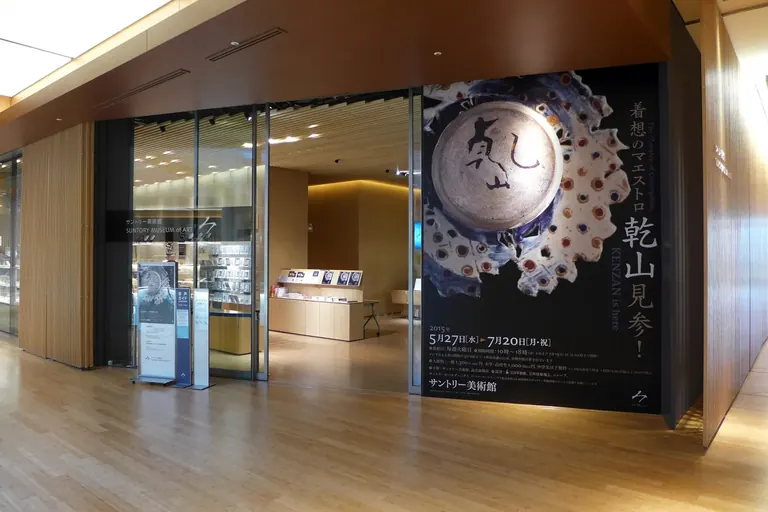
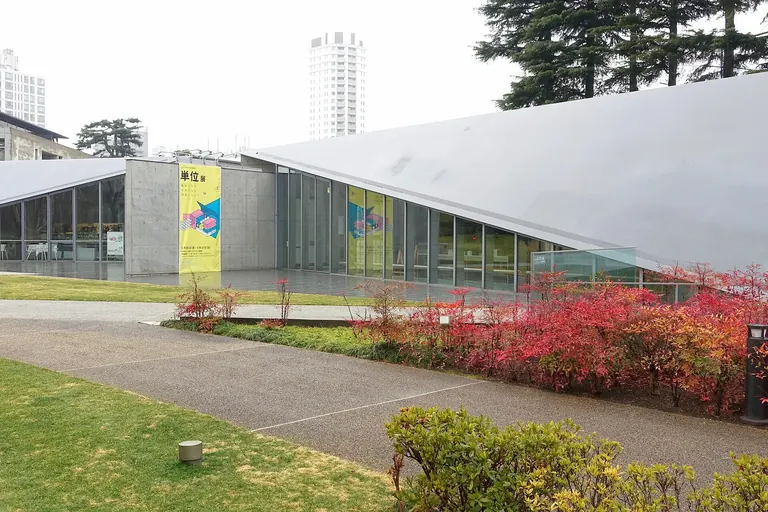
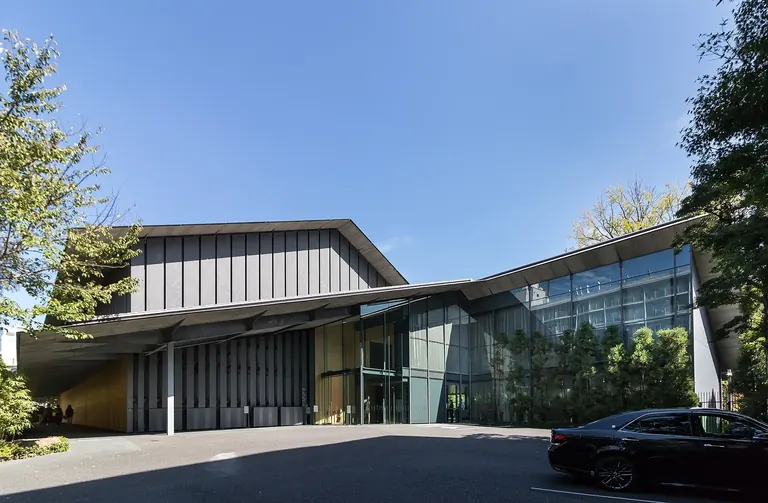
Image credits
7
- Shojo Manga Infinity: Moto Hagio, Ryoko Yamagishi, and Waki Yamato(left) © Moto Hagio / Shogakukan (center) © Ryoko Yamagishi (right) © Waki Yamato / Kodansha
- Masterpieces from the Itsuo Art Museum Collection: Buson, Go Shun, and the Art of TeaCourtesy of Suntory Museum of Art
- The National Art Center, TokyoAkonnchiroll / Wikimedia Commons, CC BY-SA 4.0
- Suntory Museum of ArtWpcpey, CC BY-SA 4.0
- 21_21 DESIGN SIGHTDaderot, CC0
- Mori Art MuseumCharles Deluvio via Wikimedia Commons, CC0
- Nezu MuseumKakidai / Wikimedia Commons, CC BY-SA 4.0