 i
MAC/CCB – Museum of Contemporary Art and Architecture CentreBelém
Mostra Espanha 2026: Guest Works by Maruja Mallo
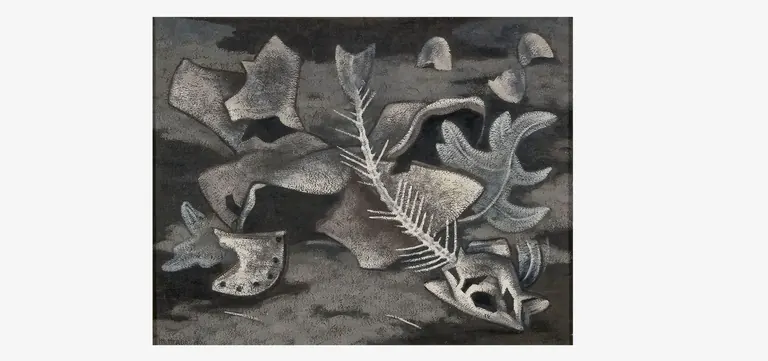
Two paintings by Spanish avant-garde artist Maruja Mallo, Basuras (1930) and Naturaleza viva (1943), span pre-war Madrid's outskirts and her exile on the Chilean coast.
More in Lisbon
Basuras, from 1930, is a painting of rubbish. Maruja Mallo took the waste and abandoned scraps on the edge of pre-Civil War Madrid and made them her subject, in oil on cardboard, for her darker Cloacas y campanarios series. Thirteen years later, in exile in Argentina, she painted Naturaleza viva, a still life built from geometric shapes based on sea forms she saw along the Pacific coast.
That's the whole show: two paintings on Floor 2, lent by the Fundación María José Jove in A Coruña for the Mostra Espanha biennial. You go from Madrid's outskirts to the Chilean coast in a few steps. Dalí once called Mallo "half angel, half shellfish", and the second picture shows which half won.
Come if you're already at MAC/CCB: the paintings are on the regular €15 museum ticket. The other half of this pairing, Sorolla's Valencian Fisherwomen (1915), hangs at the MNAC in Chiado until the same date, 29 November.
Editor's pick
Two paintings by Maruja Mallo, on loan for Mostra Espanha: the rubbish tips of 1930s Madrid in Basuras, and the Chilean coast of her exile in Naturaleza viva.
Look for
Basuras (1930)
Look for the waste and abandoned scraps of Madrid's pre-Civil War outskirts, painted in oil on cardboard as the picture's whole subject.
Naturaleza viva (1943)
A still life made in exile, built from geometric shapes based on the sea forms Mallo saw travelling along the Pacific coast.
Good for
- An Hour Or Less
- Locals Who've Seen It All
Skip if
You want a proper Mallo retrospective: this is two paintings.
Also at MAC/CCB – Museum of Contemporary Art and Architecture Centre
On now nearby
 i
Life is the Game – An immersive experience by Paulo Furtado
MAAT – Museum of Art, Architecture and Technology
 i
Pedro Cabrita Reis – “without sorrow of heart”
MAAT – Museum of Art, Architecture and Technology
 i
Exhibiting, Publishing: MAAT in Print (2016–2026)
MAAT – Museum of Art, Architecture and Technology
Nearby
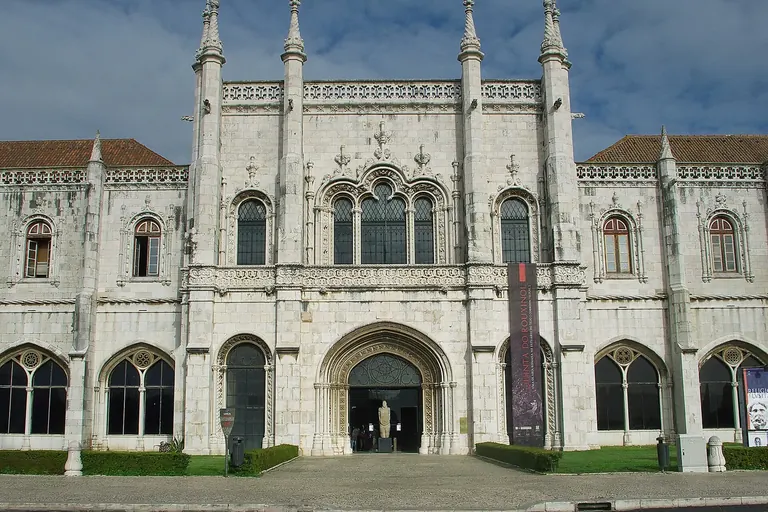
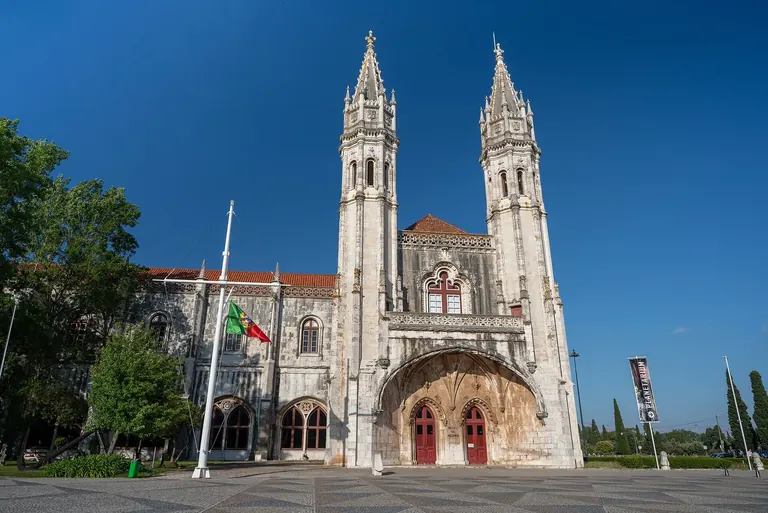
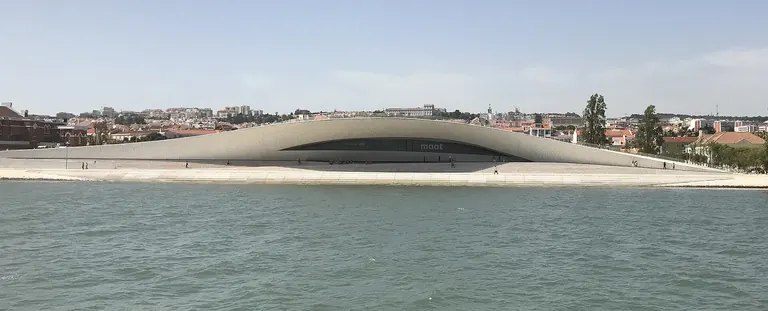
Image credits
9
- Mostra Espanha 2026: Guest Works by Maruja MalloColección Centro de Arte Fundación María José Jove / VEGAP
- Life is the Game – An immersive experience by Paulo FurtadoMAAT, 2026
- Pedro Cabrita Reis – “without sorrow of heart”Photo: João Ferrand, courtesy of the artist
- Exhibiting, Publishing: MAAT in Print (2016–2026)Photograph: Fábio Cunha, courtesy of EDP Foundation
- MAC/CCB – Museum of Contemporary Art and Architecture CentreHerbert wie, via Wikimedia Commons, CC BY-SA 4.0
- Museu Nacional de ArqueologiaJose Luis Filpo Cabana, CC BY 3.0
- Museu de MarinhaNan Palmero, CC BY 2.0
- Museu Nacional dos CochesBosc d'Anjou / Wikimedia Commons, CC BY 2.0
- MAAT – Museum of Art, Architecture and TechnologyStefan Bethke / Wikimedia Commons, CC BY-SA 4.0