 i
Kyoto National MuseumHigashiyama
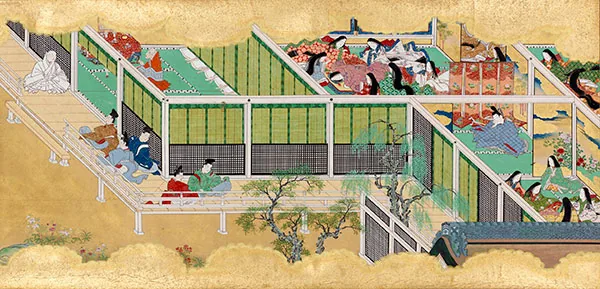
The Tale of Genji: Radiant Culture of the Japanese Imperial Court
Some 250 works inspired by Murasaki Shikibu's classic, including Teika's Blue-Cover manuscript and the scattered "Phantom Genji Scrolls". Two installations.
More in Kyoto
Murasaki Shikibu's novel is over 1,000 years old, and this is the Kyoto National Museum's first Genji exhibition in about 50 years. Some 250 works include Fujiwara no Teika's Blue-Cover manuscript and the Moriyasu handscrolls, called the Phantom Genji Scrolls because they are scattered across collections in Japan and abroad.
Works rotate between two installations. Part I (6 Oct to 1 Nov) has Tosa Mitsumochi's Battle of the Carriages, a fight between rival retinues over a place to stand, which anyone who has circled Kyoto Station hunting for parking will recognise. Part II (3 to 29 Nov) has two National Treasures on short windows: The Divine Princess at Uji Bridge (3 to 15 Nov) and Trees Encoiled in Vines of Ivy III (17 to 29 Nov).
Adults pay 2,200 yen, or 2,000 in advance, and the museum stays open until 8pm on Fridays. Check which part holds your work before you go.
Editor's pick
Some 250 works inspired by Murasaki Shikibu's novel, including Teika's Blue-Cover manuscript and the scattered "Phantom Genji Scrolls", shown across two installations.
Look for
Teika's Blue-Cover manuscript
A manuscript of the novel edited by Fujiwara no Teika (1162-1241), shown alongside commentaries on the text.
Leaves of Wild Ginger, Moriyasu handscrolls
The Aoi chapter from the illustrated handscrolls known as the Phantom Genji Scrolls, shown in Part I.
Battle of the Carriages
Tosa Mitsumochi's painting of the rival retinues contesting a place to stand, shown in Part I.
Kosode with hawks, court carriages and palace buildings
A kimono decorated with hawks, carriages and palace architecture, shown in Part II.
The Divine Princess at Uji Bridge
A National Treasure on view only 3 to 15 November, in Part II.
Good for
- Evening Visits
- Nerding Out
- Out-Of-Town Guests
Skip if
You want everything in one visit: some works change between Part I and Part II.
With kids
Free for ages 0 to 15; high school students pay 700 yen. Workshops and lectures are in Japanese only.
Also at Kyoto National Museum
- Goats and Lambs, Ewes and Rams: Celebrating the Year of the Sheep22 December 2026 – 7 February 2027
- Early Inhabitants of Wazuka Valley: Discovering Who Was Buried in the Harayama Tumulus2 January 2027 – 22 March 2027
- Layered Histories: Renowned Tea Utensils and Their Boxes22 December 2026 – 22 March 2027
On now nearby
Nearby
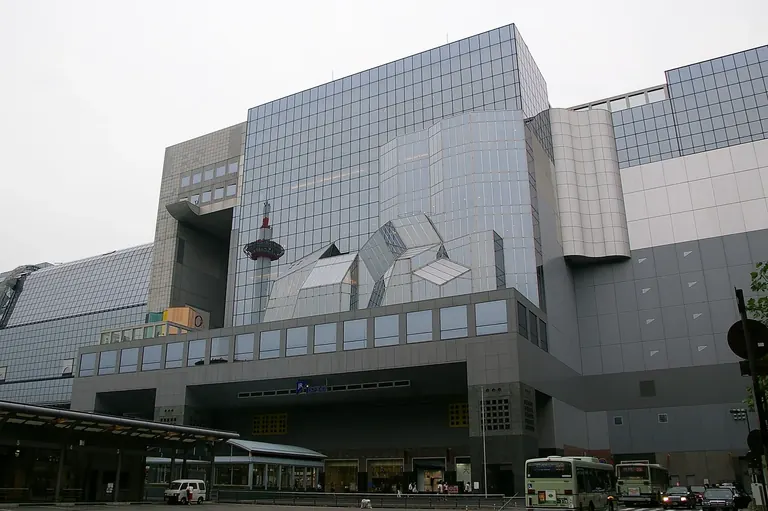
Image credits
7
- The Tale of Genji: Radiant Culture of the Japanese Imperial CourtCourtesy of Kyoto National Museum
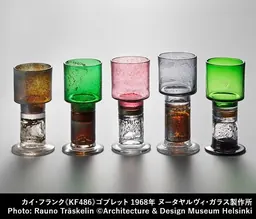
- Kaj Franck: Timeless Finnish DesignCourtesy of Museum "EKi" KYOTO
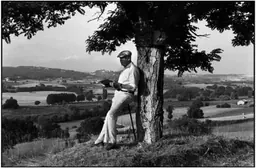
- Martine Franck: A Gaze on Her TimesMartine Franck, Henri Cartier-Bresson, Provence, 1995. Courtesy of Kahitsukan – Kyoto Museum of Contemporary Art
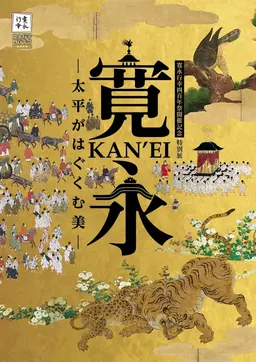
- Kan'ei: Beauty Nurtured by PeaceCourtesy of The Museum of Kyoto
- Kyoto National MuseumChainwit. / Wikimedia Commons, CC BY 4.0
- Kawai Kanjiro's HouseNicholas & Debra Jewell / Wikimedia Commons, CC BY 2.0
- Museum "EKi" KYOTOJ o / Wikimedia Commons, CC BY-SA 3.0