 i
Museum "EKi" KYOTOKyoto Station
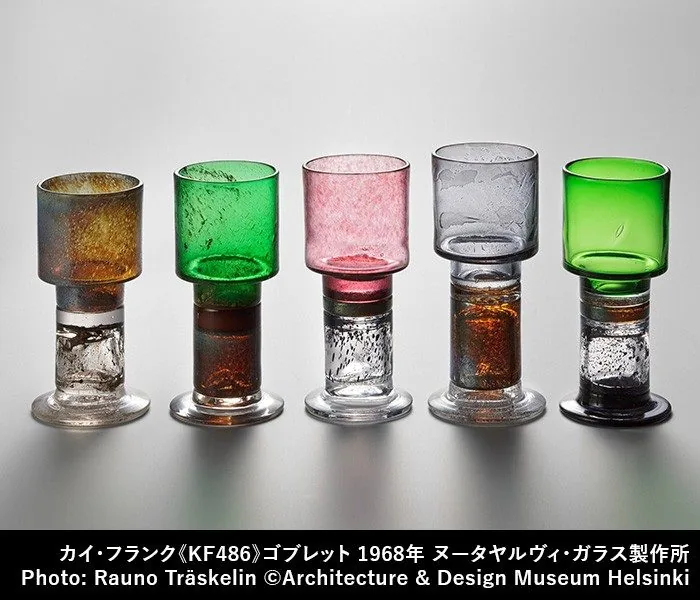
Kaj Franck: Timeless Finnish Design
Retrospective of Finnish designer Kaj Franck (1911–1989), maker of Kilta, Teema and Kartio: glass and ceramics from the Design Museum Helsinki, his ties to Japan and designers he influenced.
More in Kyoto
In 1955 Kaj Franck packed a set of plain coloured tumblers in a gift box and named it Toive, Finnish for hope, for a country rebuilding after the war. Those tumblers became Kartio, and Iittala has remade the box for this show.
You start with the work from before his famous rule ("the only decoration needed is colour"): wooden dolls and fairy-tale printed fabrics. Then come the Kilta tableware of 1953 and its successor Teema, set in an installation, art glass he developed with glassblowers, and pieces shaped by his three trips to Japan, shown beside Japanese craft. Kilta was designed for cramped postwar flats, every piece stacking and doing several jobs, a brief anyone in a Kyoto 1K already lives by.
Most of it comes from the Architecture & Design Museum Helsinki. Adults pay 1,300 yen, students 1,100, school-age children 500. It's open daily 10:00 to 19:30 (last entry 19:00), next to the 7th floor of JR Kyoto Isetan in the station.
Look for
Kilta and Teema
Look for the 1953 Kilta series, multipurpose stackable tableware made for postwar homes short of space, shown with its successor Teema in an installation.
The Toive gift box
The 1955 box for the 2744 tumbler set, the origin of Kartio, which Franck named Toive (hope) as a wish for Finland's recovery.
The early wooden dolls
A girl, a boy and a circus ringmaster in wood from 1945, from the figurative, fairy-tale years before his minimal tableware.
Franck in Japan
Newly released material from his visits to Japan from 1956, beside work such as the KF1 serving plate and pieces by Japanese craftspeople.
Good for
- Nerding Out
- Rainy Days
With kids
Elementary and junior high pupils pay 500 yen. The early section includes wooden toys and dolls Franck designed in the 1940s.
Also at Museum "EKi" KYOTO
On now nearby
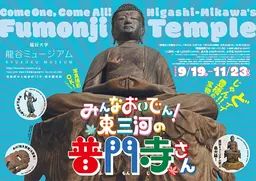
Nearby
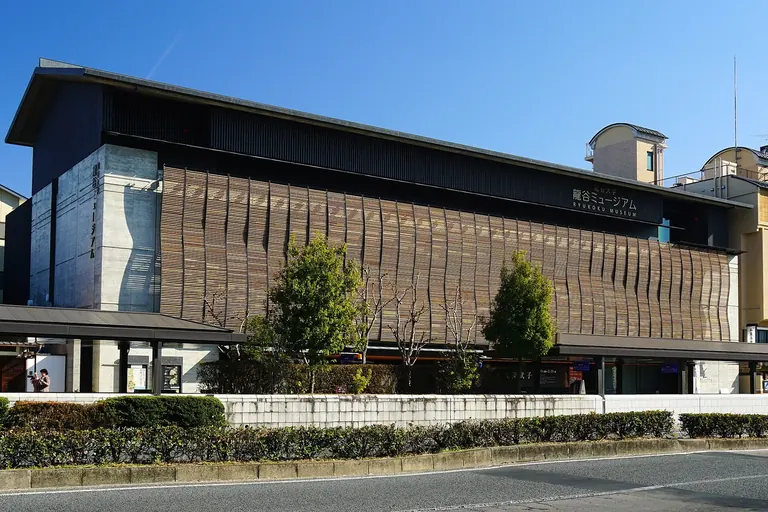
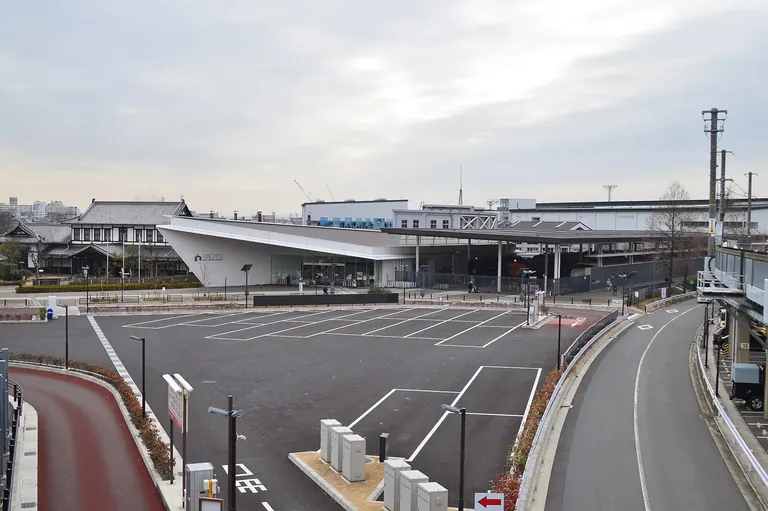
Image credits
6
- Kaj Franck: Timeless Finnish DesignCourtesy of Museum "EKi" KYOTO
- Come One, Come All! Higashi-Mikawa's Fumonji TempleCourtesy of Ryukoku Museum
- Museum "EKi" KYOTOJ o / Wikimedia Commons, CC BY-SA 3.0
- Ryukoku Museum663highland / Wikimedia Commons, CC BY-SA 4.0
- Kyoto Railway MuseumSaigen Jiro / Wikimedia Commons, CC0
- Kyoto National MuseumChainwit. / Wikimedia Commons, CC BY 4.0