 i
Kyoto National MuseumHigashiyama
Layered Histories: Renowned Tea Utensils and Their Boxes
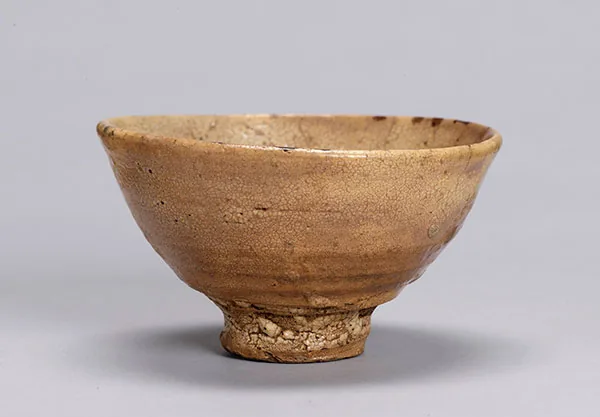
Famed tea utensils shown with the boxes and silk pouches handed down with them, including the National Treasure Ido tea bowl "Kizaemon".
More in Kyoto
Preview: written before the show opened
The National Treasure Kizaemon tea bowl arrives with the rest of its kit: the boxes and silk pouches made for it over the centuries. When the craft critic Yanagi Sōetsu was finally shown it, he wrote that it sat "within box after box, five deep, buried in wool and wrapped in purple silk", and that inside was "just a Korean food bowl".
That gap between a plain object and the care around it is the whole subject. Tea practitioners call the set a shidai: the box made with the piece, plus a new silk pouch commissioned each time it changed hands. Fourteen utensils are listed with theirs. If you've carried omiyage home from Kyoto Station, you know the box is half the gift; here it is half the exhibit.
It is in Gallery 1F-2 of the Heisei Chishinkan Wing and is covered by the 700 yen collection ticket (350 yen for university students, free under 18 and over 70). It stays open until 8pm on Fridays.
Editor's pick
Kizaemon, the National Treasure Ido tea bowl that Yanagi Sōetsu described as an ordinary Korean rice bowl, leads a show of famous tea utensils displayed with the boxes and silk pouches handed down with them.
Look for
The Kizaemon Ido tea bowl
Look for the glaze running over the foot of this unornamented 16th-century Korean bowl, lent by Koho-an temple and shown with the boxes and wrappings that came with it.
Chōjirō's black Raku bowl Mukiguri
A black Raku bowl squared off between rim and base rather than round, its name meaning "peeled chestnut"; an Important Cultural Property.
Ninsei's tea jar with young pines
Nonomura Ninsei's tea storage jar painted in overglaze enamels with young pine shoots, an Important Cultural Property.
Ninsei's narcissus tea bowl
A tea bowl by Ninsei painted in rust-brown iron with narcissus, lent by Tennei-ji temple in Kyoto.
Good for
- An Hour Or Less
- Cheap Culture
- Evening Visits
- Nerding Out
With kids
Entry is free for everyone under 18; bring something that shows their age.
Also at Kyoto National Museum
- The Tale of Genji: Radiant Culture of the Japanese Imperial Court6 October 2026 – 29 November 2026
- Goats and Lambs, Ewes and Rams: Celebrating the Year of the Sheep22 December 2026 – 7 February 2027
- Early Inhabitants of Wazuka Valley: Discovering Who Was Buried in the Harayama Tumulus2 January 2027 – 22 March 2027
On now nearby
Nearby
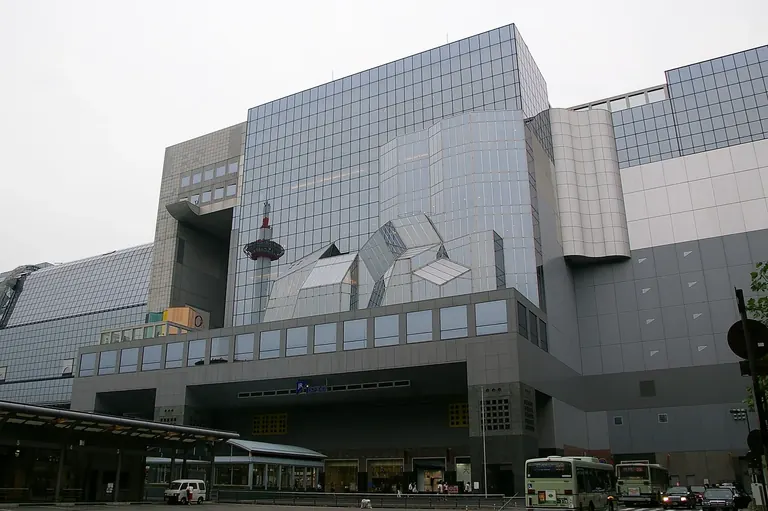
Image credits
7
- Layered Histories: Renowned Tea Utensils and Their BoxesCourtesy of Kyoto National Museum
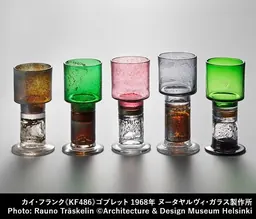
- Kaj Franck: Timeless Finnish DesignCourtesy of Museum "EKi" KYOTO
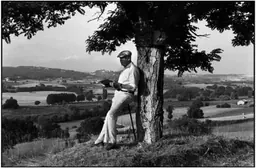
- Martine Franck: A Gaze on Her TimesMartine Franck, Henri Cartier-Bresson, Provence, 1995. Courtesy of Kahitsukan – Kyoto Museum of Contemporary Art
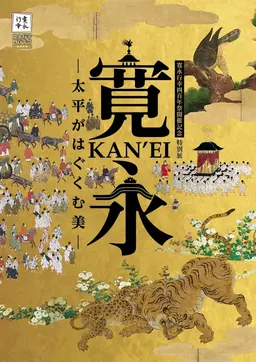
- Kan'ei: Beauty Nurtured by PeaceCourtesy of The Museum of Kyoto
- Kyoto National MuseumChainwit. / Wikimedia Commons, CC BY 4.0
- Kawai Kanjiro's HouseNicholas & Debra Jewell / Wikimedia Commons, CC BY 2.0
- Museum "EKi" KYOTOJ o / Wikimedia Commons, CC BY-SA 3.0