 i
The Museum of KyotoSanjo
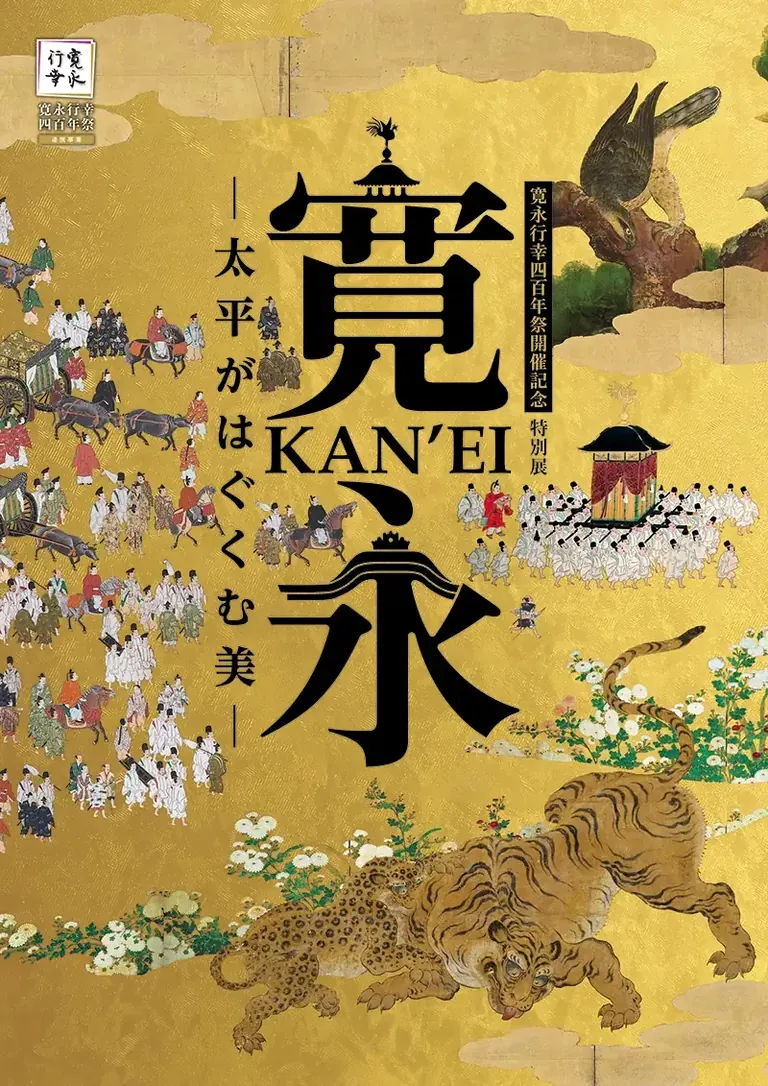
Kan'ei: Beauty Nurtured by Peace
For the 400th anniversary of Emperor Go-Mizunoo's 1626 visit to Nijo Castle, a survey of early-Edo Kan'ei culture: screens, swords and Kano paintings.
More in Kyoto
Two hand-painted scrolls, shown publicly for the first time, follow the 1626 procession that carried Emperor Go-Mizunoo to Nijo Castle: about 9,000 people over roughly 3 km. You can read rank off the robes, black for the fourth court rank, pale blue or red for the fifth.
The route opens on a digital reconstruction of the Osaka Winter Campaign screen, then moves to the castle itself: wall paintings, nail covers and chrysanthemum-crest roof tiles dug up on site. The third floor holds the culture that outlasted the politics, including Kobori Enshu's letters saying, in effect, "sending shrimp" and "sending matsutake". Four centuries on, a box of matsutake is still the Kyoto October gift that needs no note.
Works rotate: first half to 18 October, second from 20 October. Of the famous swords, Honebami Toshiro left on 2 October and Futasujihi Sadamune shows from 17 October. Tickets are ¥1,800, including the permanent galleries and Film Theatre. Fridays run to 19:30, with curator talks at 18:30 on 16 October and 13 November.
Editor's pick
Built around Emperor Go-Mizunoo's 1626 visit to Nijo Castle: folding screens, swords and Kano paintings from the early-Edo Kan'ei era. The works change halfway through the run. Nijo Castle itself is about twenty minutes' walk west.
Look for
The Kan'ei Imperial Visit scrolls
Two hand-painted scrolls, on public view for the first time, follow the 1626 procession, with robe colours marking rank: black for the fourth, pale blue or red for the fifth.
Nijo Castle's own wall paintings
Kano Jinnojo's tigers in a bamboo grove, from the castle's Tozamurai hall, hang until 18 October; Kano Sanraku's pine and hawk from the Ohiroma replaces them from 20 October.
The ox-carriage screen
The Sannai-zu screen shows a procession of ox carriages moving from Nijo Castle to the Imperial Palace, on view for the whole run.
Karasumaru Mitsuhiro's farewell poem
A death verse by the man called the great charmer of the Kan'ei era; the story goes he stopped after four lines, revived, and finished it.
Kobori Enshu's food letters
Letters between the tea master and the Goto family that amount to "sending shrimp" and "sending matsutake".
Good for
- Evening Visits
- Nerding Out
- Out-Of-Town Guests
Skip if
You're coming only for the sword Honebami Toshiro: it left the show on 2 October.
With kids
Preschoolers go free with a guardian; elementary and junior high pupils pay ¥600.
Also at The Museum of Kyoto
- Tanomura Chokunyu and Nanga Painting in Modern Kyoto: The Ambience of Nature3 October 2026 – 29 November 2026
- Indestructible Power: Go Nagai – Go Nagai Memorial Museum Revival28 November 2026 – 11 January 2027
- Kyoto Art for Tomorrow 2027: Selected Emerging Artists of Kyoto Prefecture23 January 2027 – 7 February 2027
On now nearby
Nearby
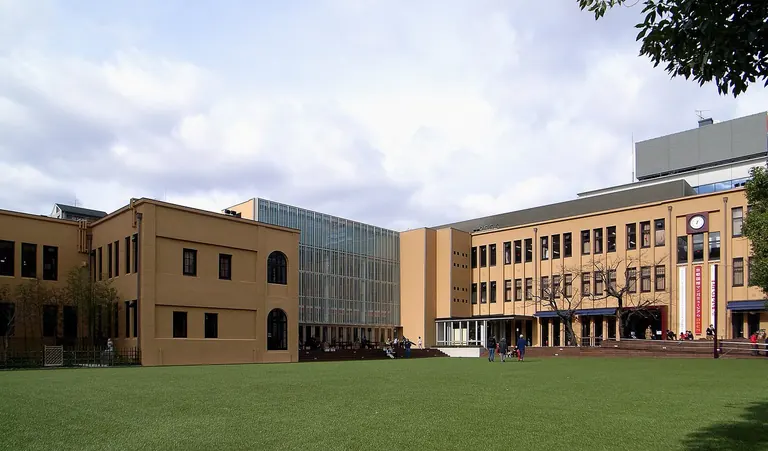
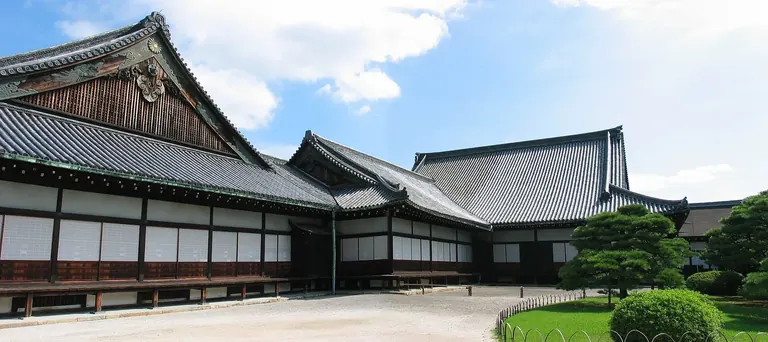
Image credits
7
- Kan'ei: Beauty Nurtured by PeaceCourtesy of The Museum of Kyoto
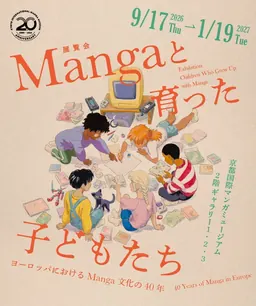
- Children Who Grew Up with Manga: 40 Years of Manga in EuropeCourtesy of Kyoto International Manga Museum
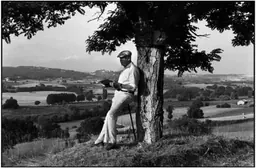
- Martine Franck: A Gaze on Her TimesMartine Franck, Henri Cartier-Bresson, Provence, 1995. Courtesy of Kahitsukan – Kyoto Museum of Contemporary Art
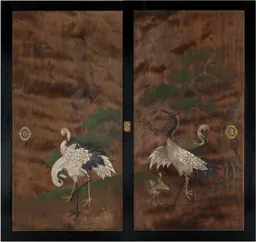
- Pine Trees and Cranes (Shokaku-zu): Sugito-e at the Honmaru-goten PalaceCourtesy of Nijo Castle (Nijo-jo)
- The Museum of KyotoTokumeigakarinoaoshima / Wikimedia Commons, CC BY-SA 4.0
- Kyoto International Manga Museum珈琲ルンバ via Wikimedia Commons, CC BY-SA 3.0
- Nijo Castle (Nijo-jo)Keith Pomakis / Wikimedia Commons, CC BY-SA 2.5