 i
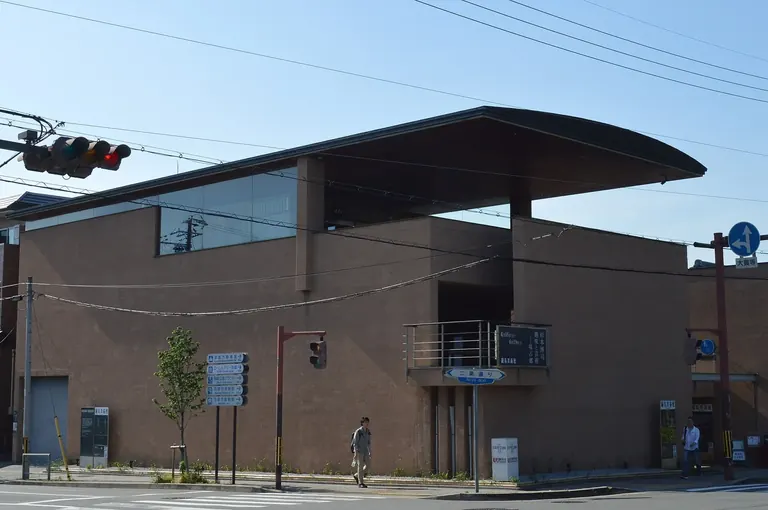
Hosomi MuseumOkazaki
Ryōkan, the Man and his Zen
This exhibition has ended.
Calligraphy, poems and letters by the Zen monk Ryōkan (1758-1831), incl. rarely shown masterpieces "Tenjo Taifu" kite lettering and "Moon Rabbit" long poem.
Museum websiteMore in Kyoto
A child stopped Ryōkan on his begging round and asked for something to write on a kite. He brushed four characters, 天上大風, "great wind in the heavens", in plain regular script that climbs to the right. That kite lettering, long kept out of public view, sits in the first chapter.
Ryōkan (1758 to 1831) was a village headman's son from Echigo who chose to live alone in a mountain hut. Three chapters follow him as monk of the fields, seeker, and hermit. You move from poems about the hand-ball he kept in his sleeve to a letter to the nun Teishin about his eyes, and the long poem Moon Rabbit, shown for the first time in 60 years. The Kyoto Shimbun notes that if nobody came to find him at hide-and-seek, he stayed hidden all night.
It is ink on paper and rewards slow looking: Irohani's writer suggests reading the lines like an abstract painting. Admission is ¥2,000, ¥1,500 for students, and some works rotate during the run.
Look for
The Tenjō Taifū kite lettering
Four characters in clear regular script, written for children who wanted them on their kite, rising to the right across the sheet.
The Hibi Hibi screen
Half of a pair of six-panel screens covered in a poem about his days, in lines Irohani compared to a stream, with dots that bounce like water.
The hand-ball self-portrait
Ryōkan's poem about the embroidered ball in his sleeve being worth a thousand gold pieces, beside a self-portrait Serai found faintly comic.
Edo-period hand-balls
A few temari from his time, not his own, wound in cotton thread around a core of fern fluff, and smaller than you would expect.
Hirabayashi Denchū's Ryōkan
A late wood carving of Ryōkan kneeling formally and cradling a pomegranate, after the story of the fruit sent to him while he was ill.
Good for
- Going Solo
- Nerding Out
Skip if
You want pictures: nearly everything here is brushed text, poems and letters.
Also at Hosomi Museum
On now nearby
Nearby
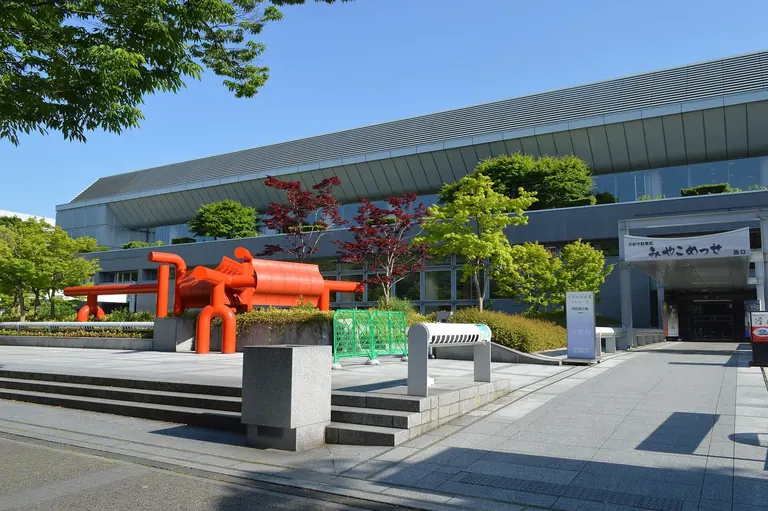
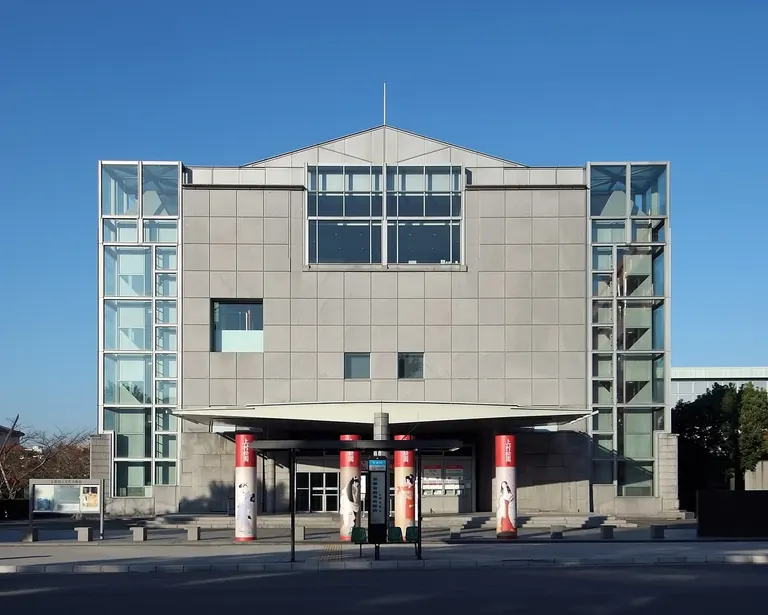
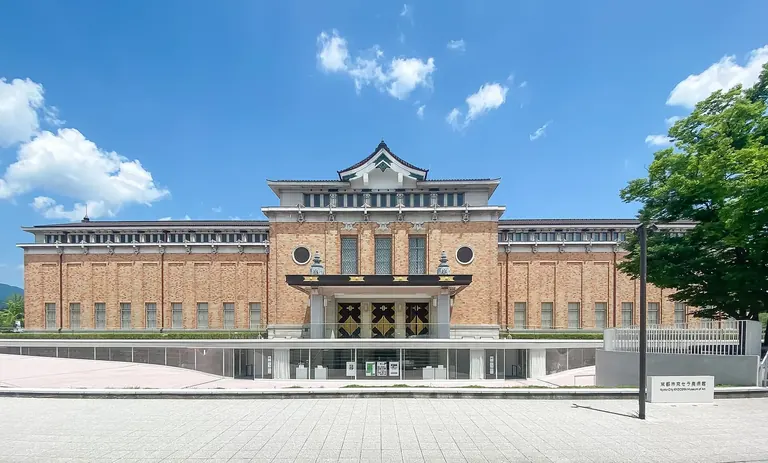
Image credits
6
- Hosomi MuseumAsturio Cantabrio / Wikimedia Commons, CC BY-SA 4.0
- Kyoto University Museums Feature 7: The University Is a Treasure Box, Handcraft GatheringCourtesy of Kyoto Museum of Crafts and Design
- Tradition Meets Today #7Courtesy of Kyoto Museum of Crafts and Design
- Kyoto Museum of Crafts and DesignAsturio Cantabrio / Wikimedia Commons, CC BY-SA 4.0
- The National Museum of Modern Art, Kyoto (MoMAK)Wiiii / Wikimedia Commons, CC BY-SA 3.0
- Kyoto City KYOCERA Museum of ArtKakidai / Wikimedia Commons, CC BY-SA 4.0