 i
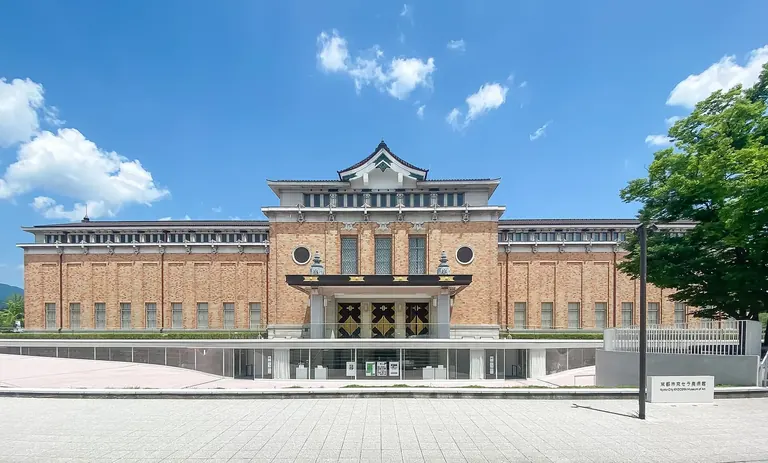
Kyoto City KYOCERA Museum of Art
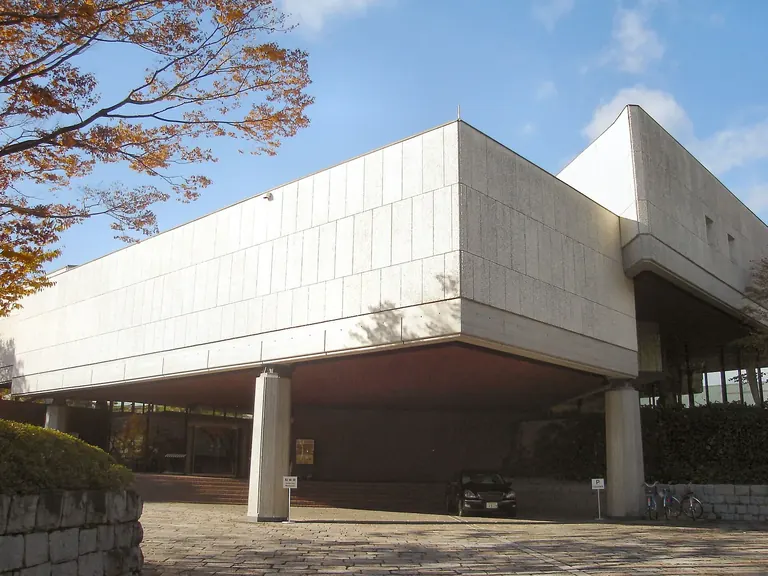
Opened in 1933 as the Kyoto Enthronement Memorial Museum of Art, the former Kyoto City Museum of Art reopened in 2020 after a major renovation, with Kyocera holding the naming rights. Its collection of about 4,500 works focuses on modern Kyoto art, above all Nihonga painting by artists such as Takeuchi Seiho and Uemura Shoen, shown in seasonal Collection Room displays. Large special exhibitions fill the main building and the new Higashiyama Cube, while The Triangle, a free basement space, showcases emerging Kyoto artists.
More in Kyoto
What's On
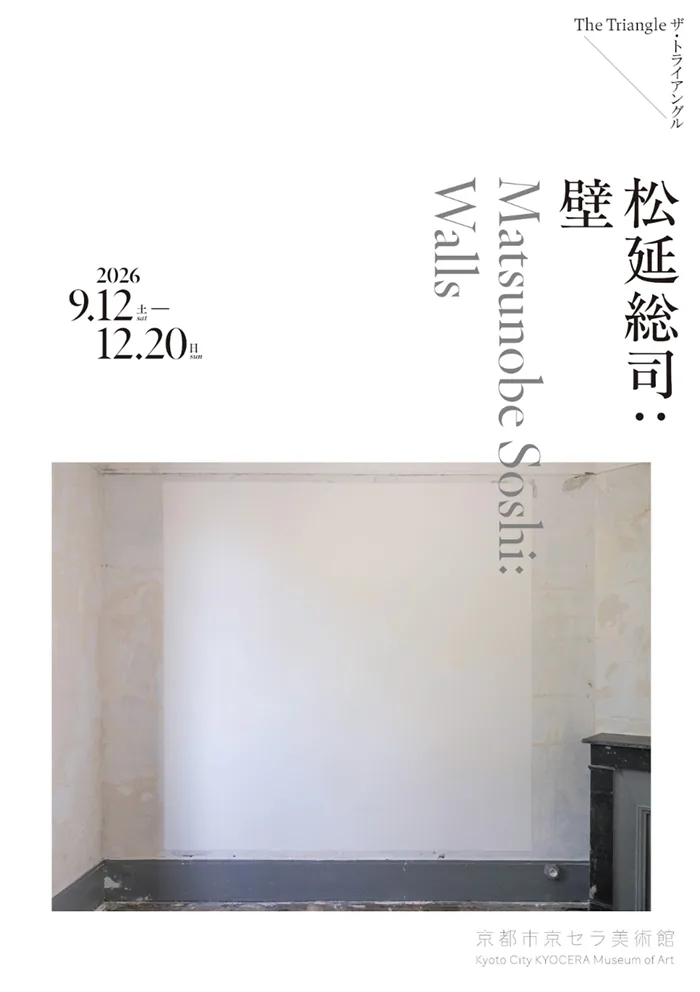
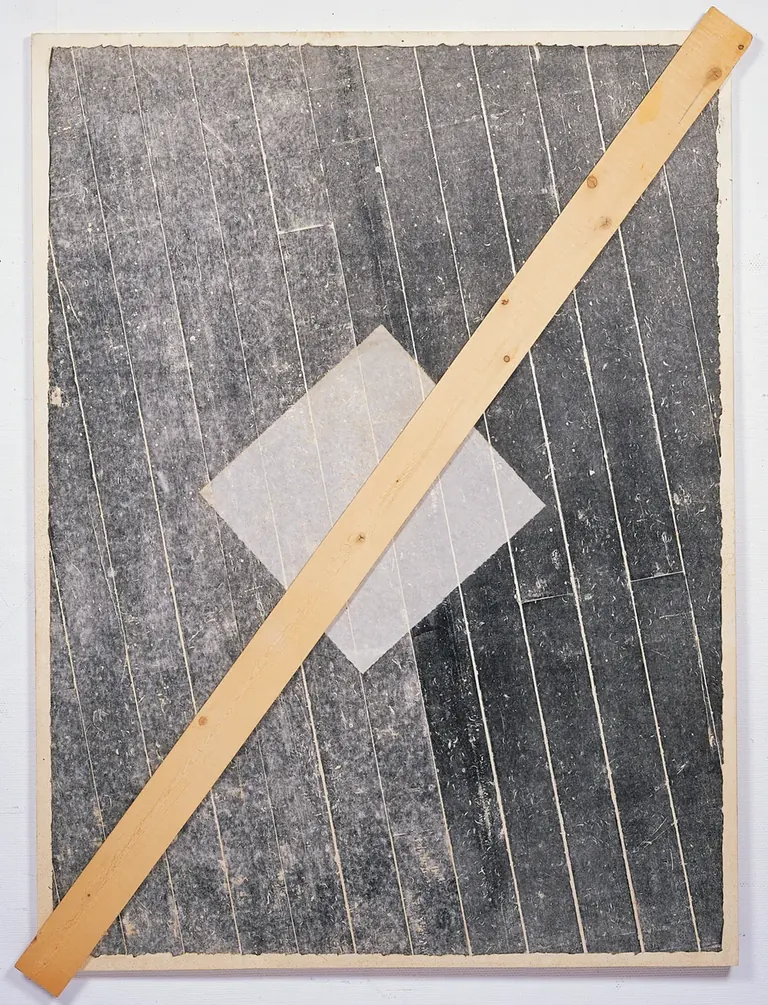
Matsunobe Soshi: Walls
Free show in The Triangle: installations, sculpture and drawings turning wallpaper, rubber bands and graffiti into studies of lines, shadows and ground.
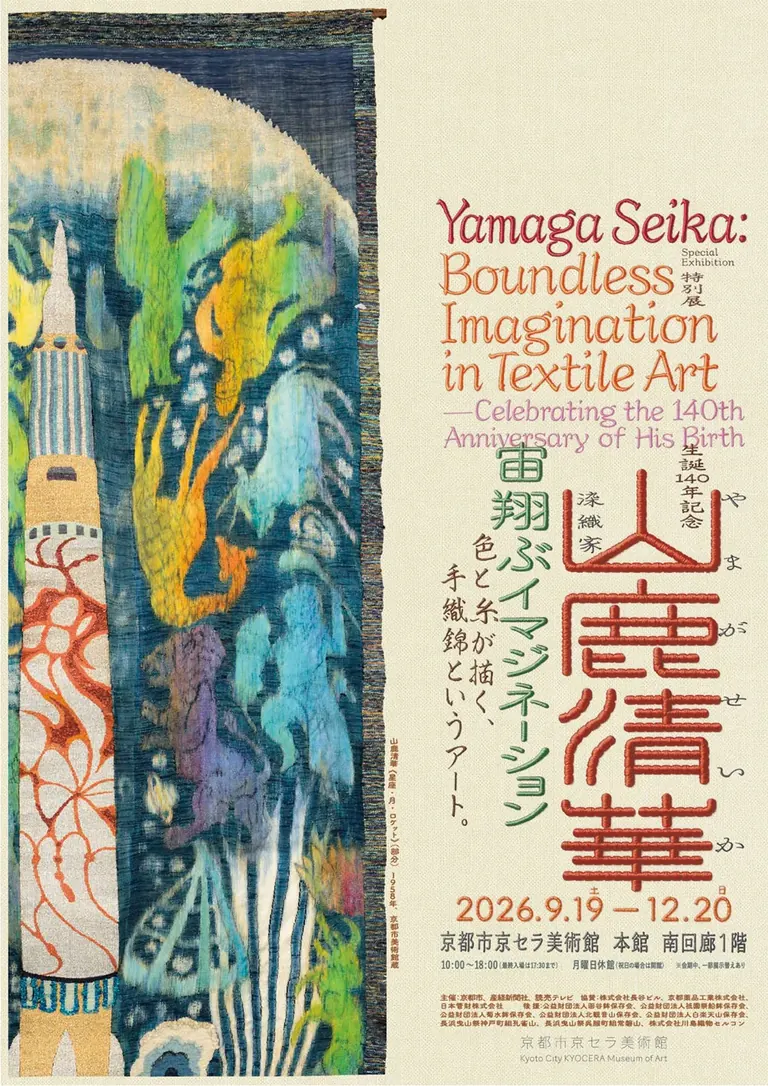
Yamaga Seika: Boundless Imagination in Textile Art – Celebrating the 140th Anniversary of His Birth
First retrospective in 40 years of Kyoto weaver Yamaga Seika, whose handwoven brocades range from Gion Festival tapestries to locomotives and Tokyo Tower.
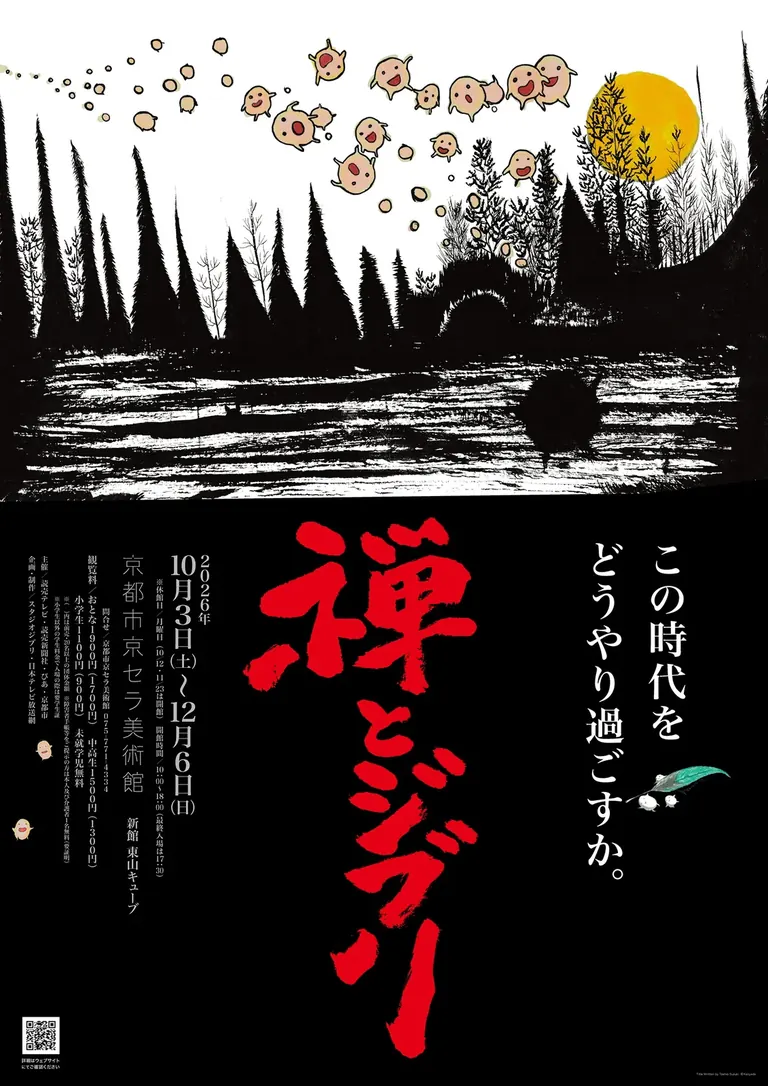
Zen and Ghibli
Immersive exhibition exploring Zen through Studio Ghibli films, built around Hayao Miyazaki's The Boy and the Heron, in the Higashiyama Cube.
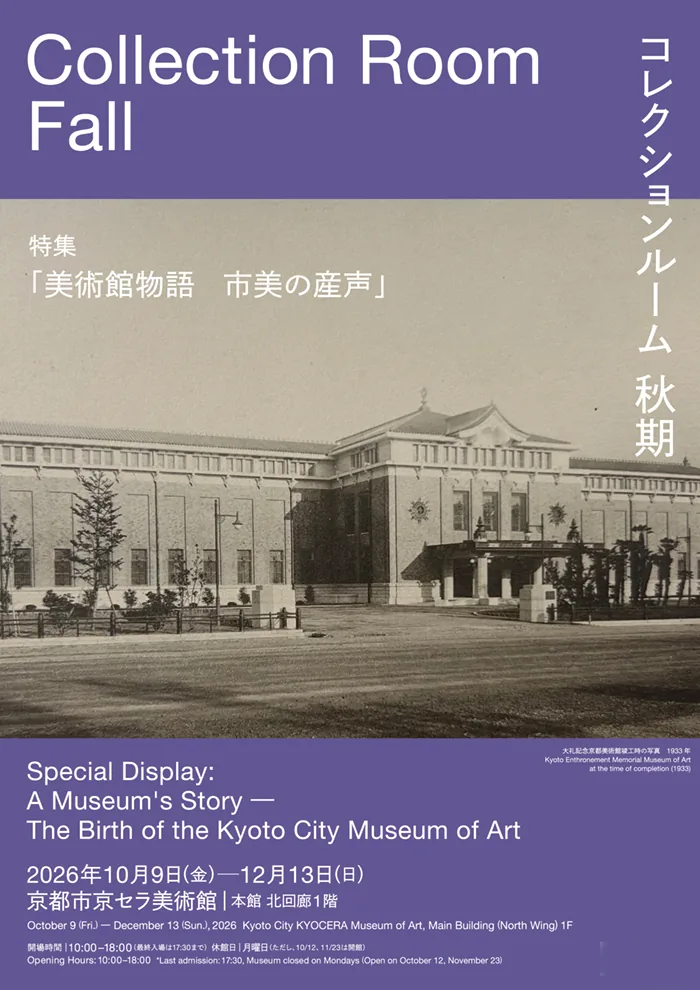
[2026 Fall] Collection Room – Special Display: A Museum's Story — The Birth of the Kyoto City Museum of Art
Collection display on the museum's 1933 founding as the Kyoto Enthronement Memorial Museum of Art, with its earliest acquisitions and archive material.
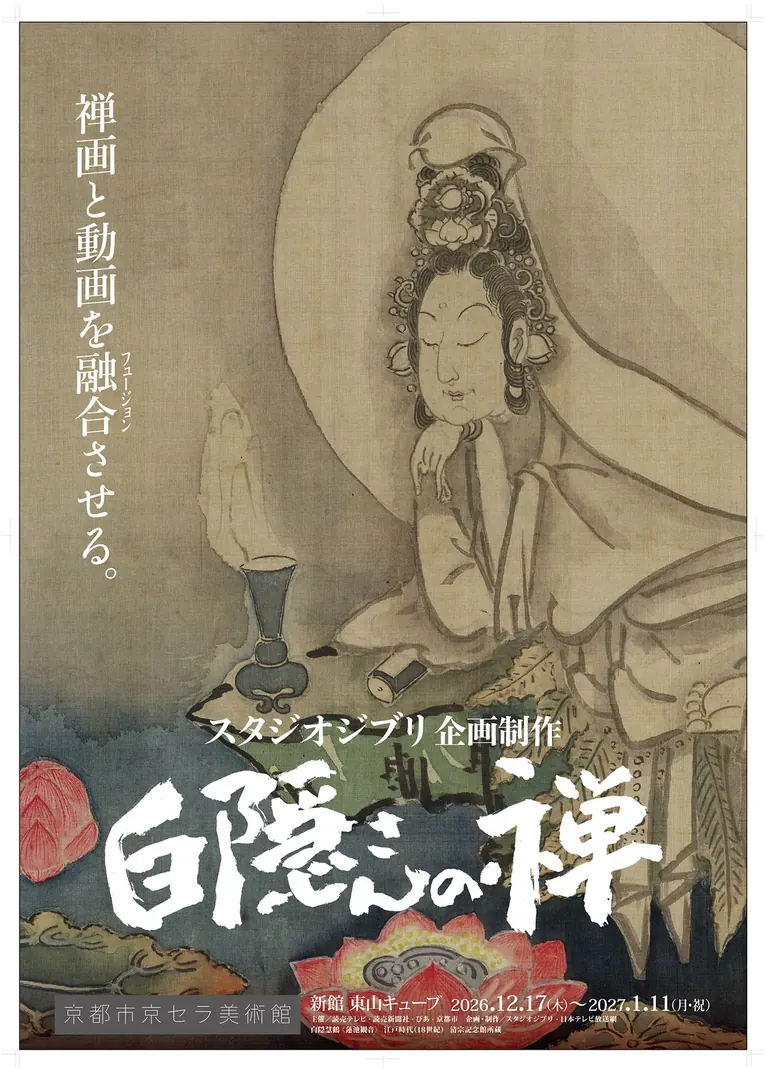
The Zen of Hakuin, Produced by Studio Ghibli
Studio Ghibli-produced follow-up to Zen and Ghibli: calligraphy and paintings by Edo-period Zen monk Hakuin Ekaku, paired with new video content.
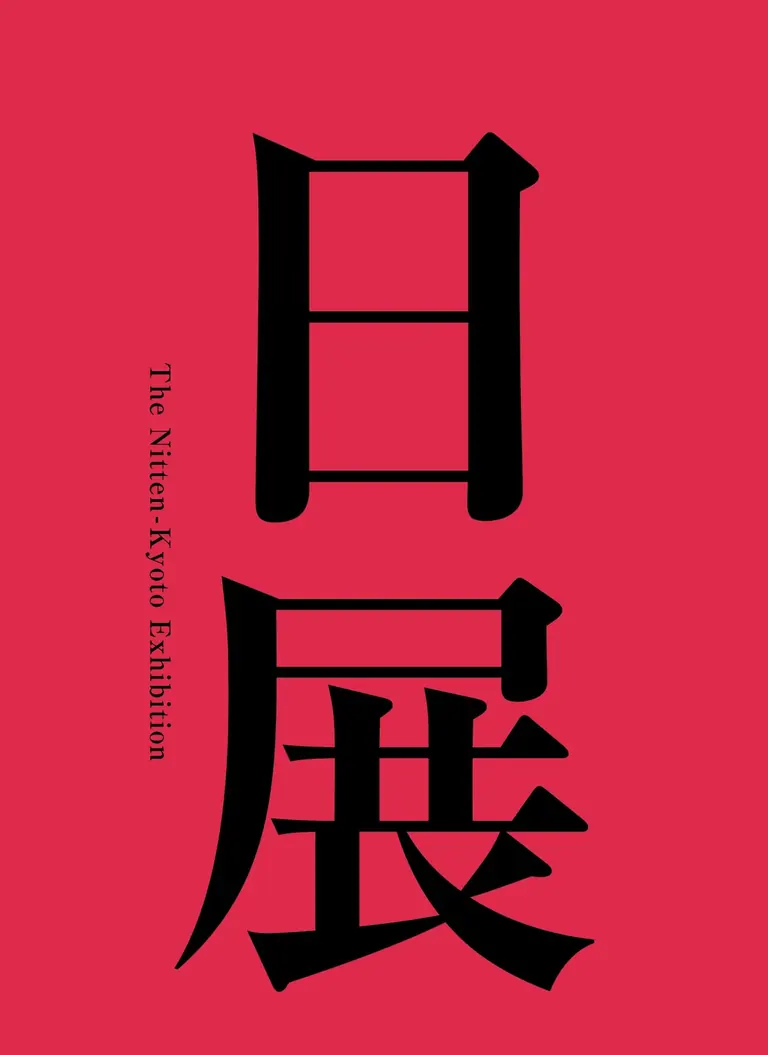
The 119th Nitten-Kyoto Exhibition
Kyoto leg of Japan's largest public juried exhibition: about 500 works in nihonga, Western painting, sculpture, crafts and calligraphy.
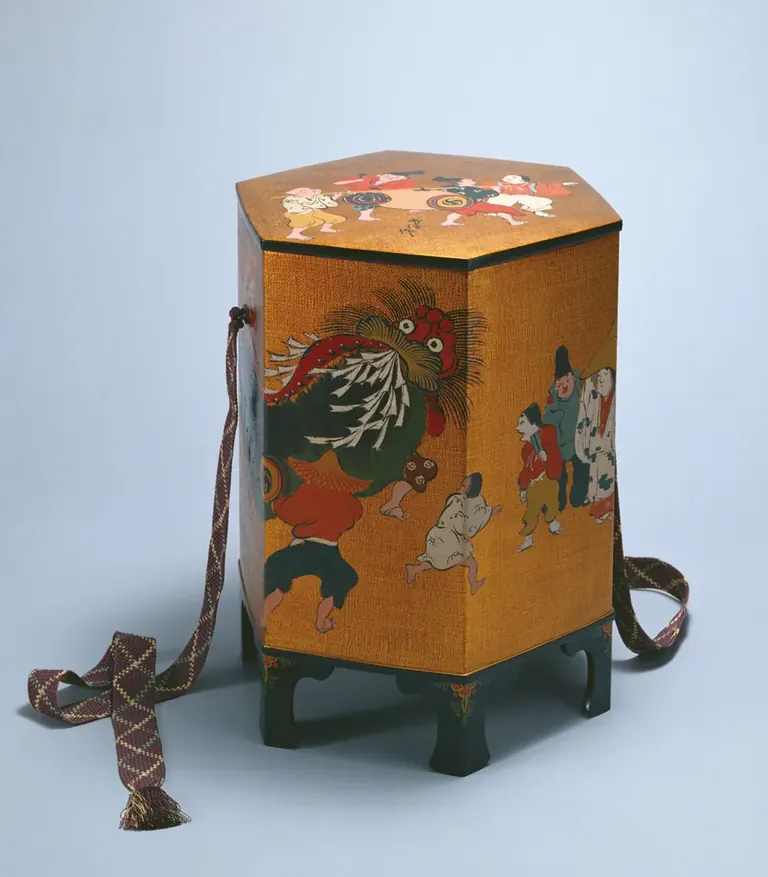
[2026 Winter] Collection Room – Special Display: Painting Time — Modernity Reflected in Kyoto Lacquerware
Kyoto lacquerware from the Meiji era to the postwar avant-garde, from Rinpa revival pieces by Kamisaka Sekka to forms that abandoned function.
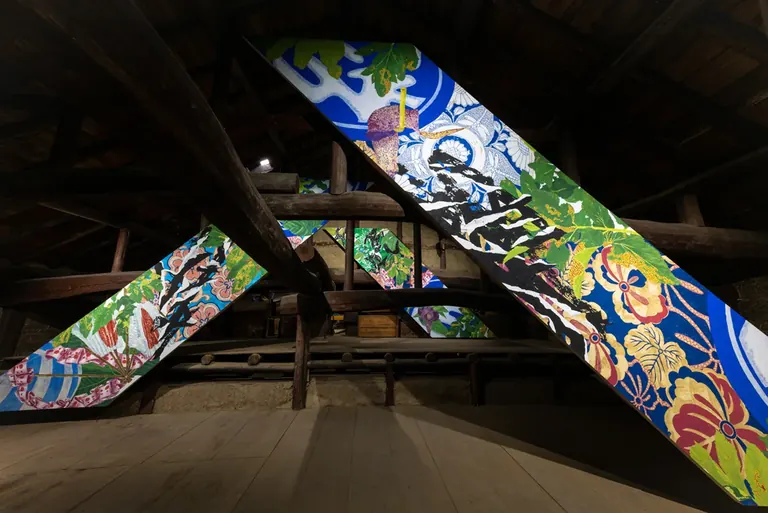
Fujino Yumiko
Free show in The Triangle: free-standing nihonga by Fujino Yumiko, drawing on research into abandoned houses to layer time and memory in space.
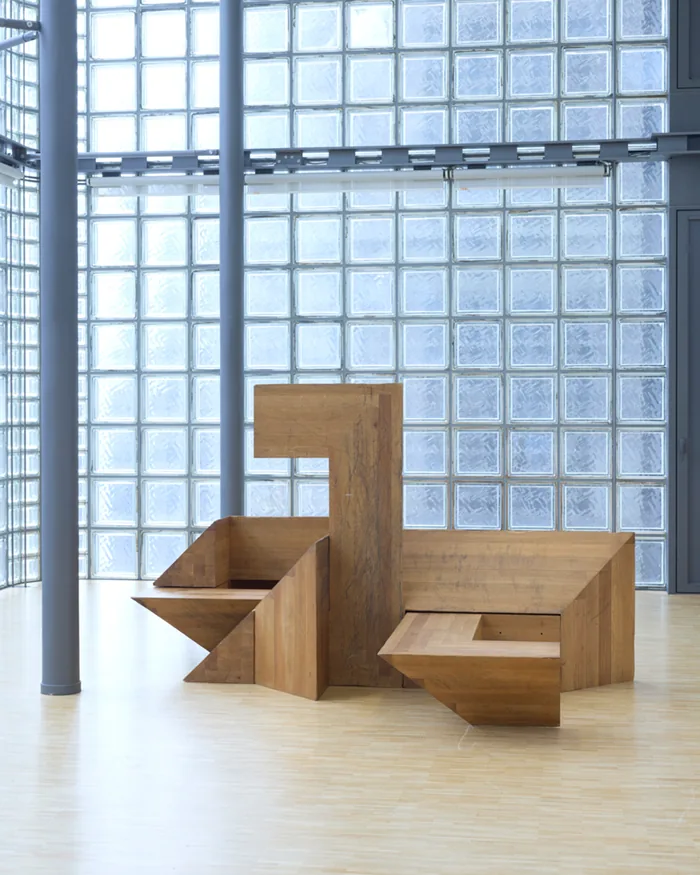
Raphaël Zarka—Geometry, Time and Skateboarding
First major Japan solo show of Paris artist Raphaël Zarka: sculpture, photography and video on geometry and skateboarding, plus new work made in Kyoto.
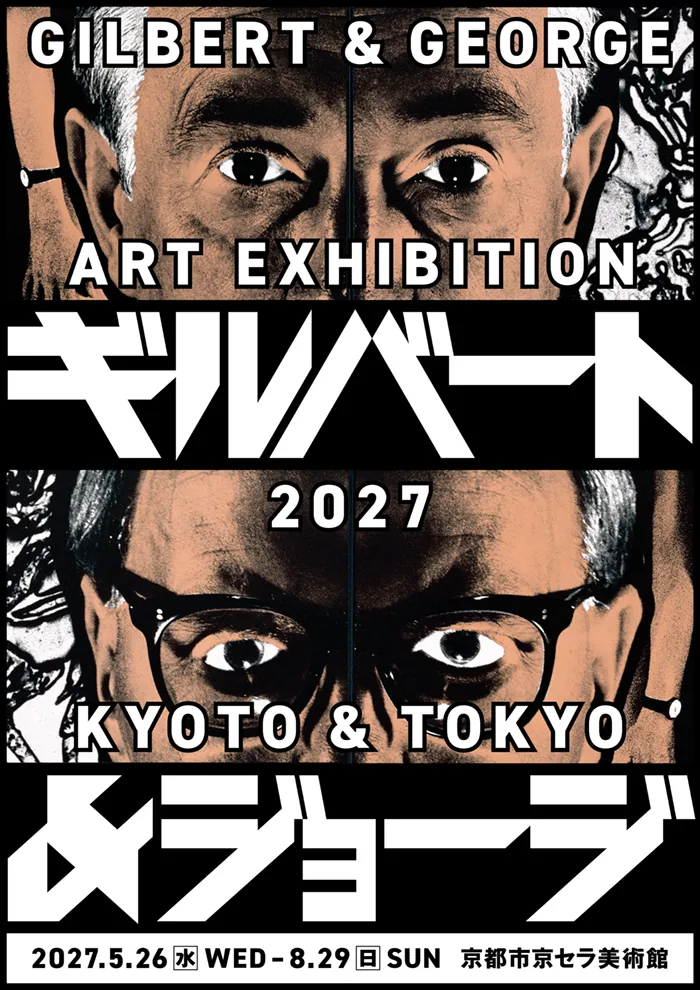
GILBERT & GEORGE ART EXHIBITION
Gilbert & George's first major Japan show in 30 years: from The Singing Sculpture (1969) to vast picture groups on religion, sex and city life.
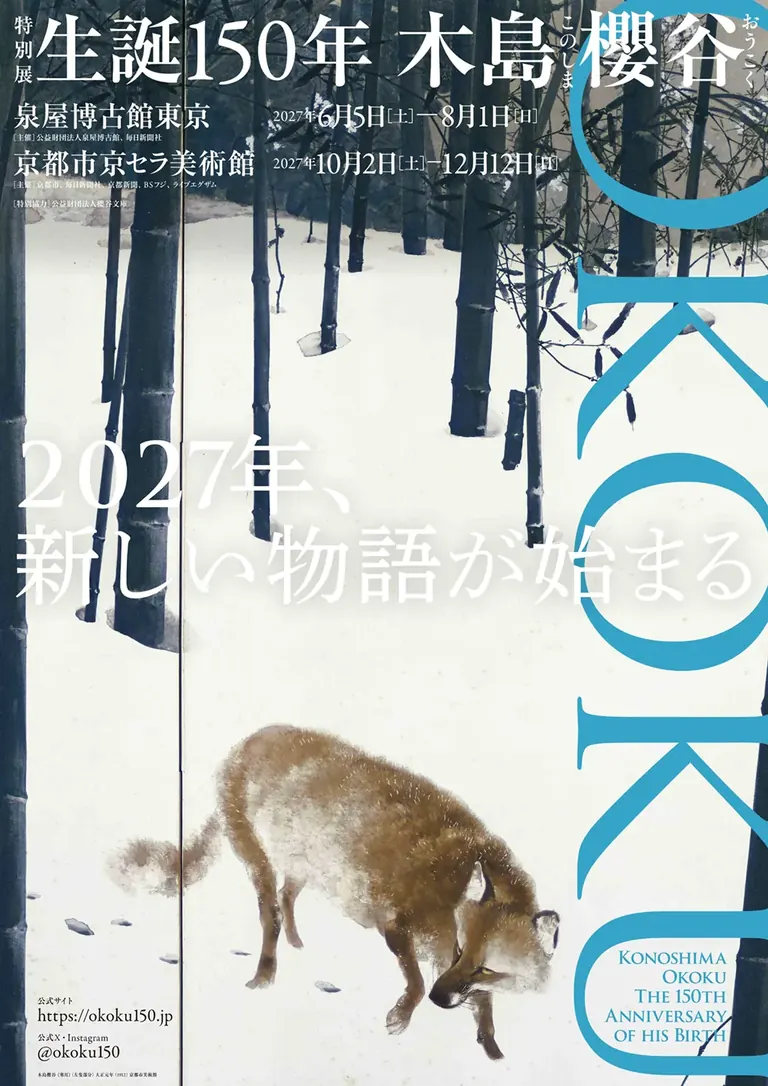
Konoshima Okoku: 150th Anniversary of His Birth
Largest-ever retrospective of Kyoto nihonga painter Konoshima Okoku, famed for animal pictures, including his once-controversial screens Cold Moon (1912).
Plan Your Visit
Getting there
124 Okazaki Enshoji-cho, Sakyo-ku, Kyoto 606-8344, Japan
Nearest station: Higashiyama (Kyoto Municipal Subway Tozai Line), 8 min walk, Sanjo (Keihan Line) / Sanjo Keihan (Tozai Line), 16 min walk and Okazaki Koen/Bijutsukan, Heian Jingu-mae (city bus 5, 46, 86, 100)
Show on mapHours
| Mon | Closed |
| Tue | 10:00–18:00 |
| Wed | 10:00–18:00 |
| ThuToday | 10:00–18:00 |
| Fri | 10:00–18:00 |
| Sat | 10:00–18:00 |
| Sun | 10:00–18:00 |
Admission
From ¥730
Collection Room: ¥730 non-residents, ¥520 Kyoto City residents (ID required), ¥300 students from outside Kyoto, free for students living or studying in Kyoto and under-elementary children. Special exhibitions are ticketed separately (typically ¥1,800–1,900). The Triangle is free.
Last verified
Nearby
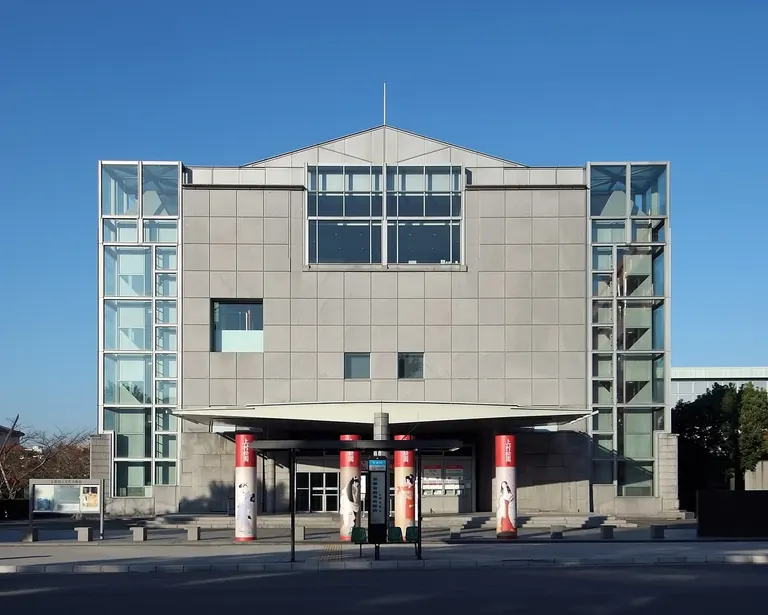
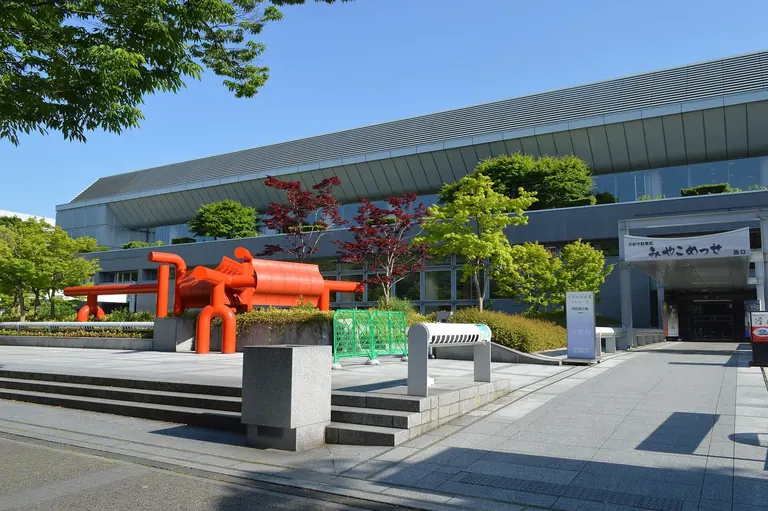
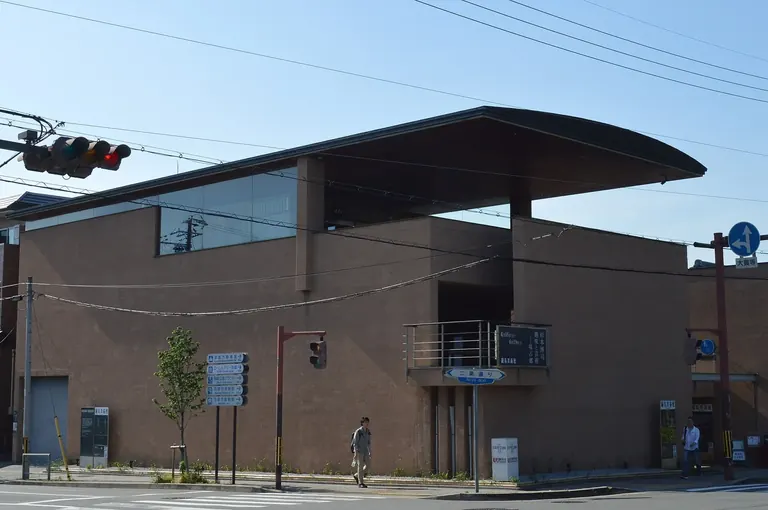
Visitor Information
- How much does Kyoto City KYOCERA Museum of Art cost?
- Standard adult admission to Kyoto City KYOCERA Museum of Art is ¥730. Collection Room: ¥730 non-residents, ¥520 Kyoto City residents (ID required), ¥300 students from outside Kyoto, free for students living or studying in Kyoto and under-elementary children. Special exhibitions are ticketed separately (typically ¥1,800–1,900). The Triangle is free.. Prices for special exhibitions and timed-entry slots may differ.
- What are the opening hours of Kyoto City KYOCERA Museum of Art?
- Kyoto City KYOCERA Museum of Art is open Tue–Sun 10:00–18:00 (last admission 17:30). Closed Mondays, except when Monday is a public holiday. Closed for the New Year holidays, 28 December–2 January.. Holiday hours can vary, so check the museum's website before you go.
- Where is Kyoto City KYOCERA Museum of Art?
- Kyoto City KYOCERA Museum of Art is located at 124 Okazaki Enshoji-cho, Sakyo-ku, Kyoto 606-8344, Japan, in the Okazaki area of Kyoto. The nearest stations are Higashiyama (Kyoto Municipal Subway Tozai Line), 8 min walk, Sanjo (Keihan Line) / Sanjo Keihan (Tozai Line), 16 min walk and Okazaki Koen/Bijutsukan, Heian Jingu-mae (city bus 5, 46, 86, 100).
- What can I see at Kyoto City KYOCERA Museum of Art?
- One of Japan's oldest public art museums: a 1933 Imperial Crown-style hall in Okazaki, reborn with a glass-fronted contemporary wing Current highlights include [2026 Winter] Collection Room – Special Display: Painting Time — Modernity Reflected in Kyoto Lacquerware, Fujino Yumiko and Matsunobe Soshi: Walls.
- Do I need to book Kyoto City KYOCERA Museum of Art in advance?
- Booking ahead is recommended, especially for weekends, school holidays, and special exhibitions. Tickets are normally on the museum's website, and a pre-booked timed slot helps you avoid queues at the entrance.
- When is the best time to visit Kyoto City KYOCERA Museum of Art?
- Weekday mornings shortly after opening are typically the quietest, especially mid-week. Late afternoons can also be calmer. Weekends, school holidays, and the lunch rush are the busiest periods.
Image credits
17
- Kyoto City KYOCERA Museum of ArtKakidai / Wikimedia Commons, CC BY-SA 4.0
- [2026 Winter] Collection Room – Special Display: Painting Time — Modernity Reflected in Kyoto LacquerwareCourtesy of Kyoto City KYOCERA Museum of Art
- Fujino YumikoPhoto: Mitsushige Kida
- Matsunobe Soshi: WallsPhoto: Kohei Omachi
- Konoshima Okoku: 150th Anniversary of His BirthCourtesy of Kyoto City KYOCERA Museum of Art
- Yamaga Seika: Boundless Imagination in Textile Art – Celebrating the 140th Anniversary of His BirthCourtesy of Kyoto City KYOCERA Museum of Art
- Collection Room: Modern Kyoto ArtCourtesy of Kyoto City KYOCERA Museum of Art
- The 119th Nitten-Kyoto ExhibitionCourtesy of Kyoto City KYOCERA Museum of Art
- Raphaël Zarka—Geometry, Time and SkateboardingCourtesy the artist and galerie Mitterrand, Paris. Photo: Nacása & Partners Inc. / Fondation d'entreprise Hermès © Raphaël Zarka / ADAGP, 2026
- The Zen of Hakuin, Produced by Studio GhibliCourtesy of Kyoto City KYOCERA Museum of Art
- Zen and GhibliCourtesy of Kyoto City KYOCERA Museum of Art
- [2026 Fall] Collection Room – Special Display: A Museum's Story — The Birth of the Kyoto City Museum of ArtCourtesy of Kyoto City KYOCERA Museum of Art
- GILBERT & GEORGE ART EXHIBITIONPhoto: Tom Oldham
- The National Museum of Modern Art, Kyoto (MoMAK)Wiiii / Wikimedia Commons, CC BY-SA 3.0
- Kyoto Museum of Crafts and DesignAsturio Cantabrio / Wikimedia Commons, CC BY-SA 4.0
- Hosomi MuseumAsturio Cantabrio / Wikimedia Commons, CC BY-SA 4.0
- Sen-oku Hakuko KanPlusMinus / Wikimedia Commons, CC BY-SA 3.0