 i
Gropius BauKreuzberg
Gabriele Stötzer: Dabei sein und nicht schweigen
The largest institutional solo show yet of East German artist Gabriele Stötzer: about 150 works in painting, photography, textile, Super 8 film and performance on justice, gender and resistance.
More in Berlin
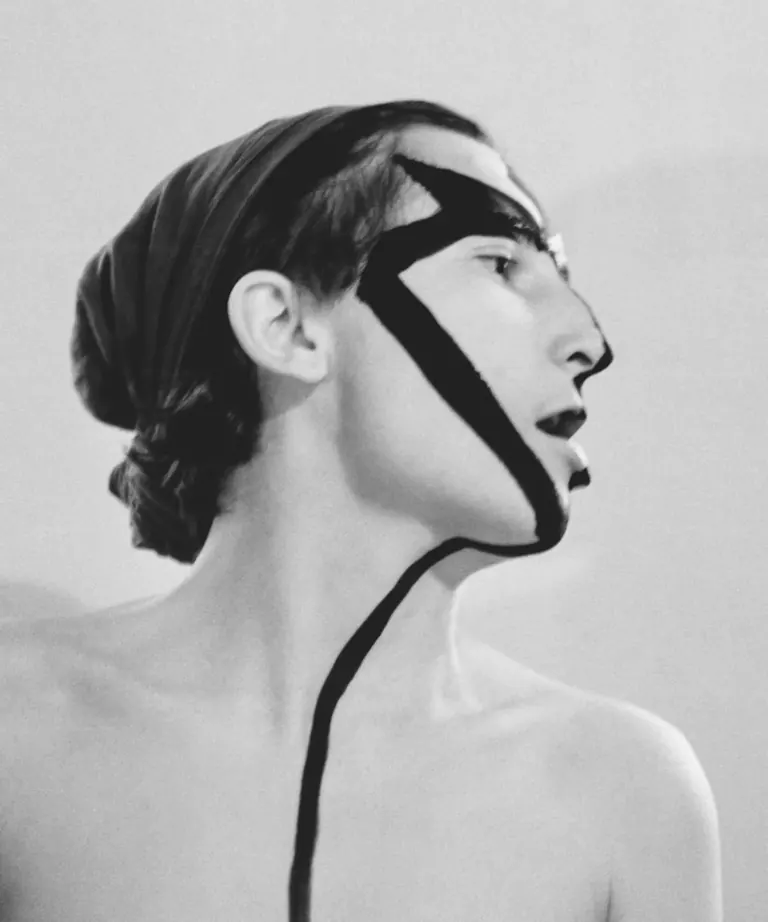
You walk in to Super 8 films projected from all directions, their soundtracks overlapping, at times discordantly. In one, from 1989, Stötzer stands naked at a mirror, asks "Hab' ich euch nicht blendend amüsiert?" 66 times and paints blood-red lines on her body that look like a skeleton or prison bars.
About 150 works cover five decades: drawings, photographs, artists' books, textiles, film and performance. Stötzer was jailed in 1976 for signing a petition, stayed in Erfurt when friends left, and built a women's underground there, the Künstlerinnengruppe Erfurt. A wall text has her on the budget: Super 8 film cost you a sausage, colour film two.
Berlin Art Link called the photographs "arguably the most exciting portion of the show". art-in-berlin warned it is no gentle introduction but the "maximale Konfrontation" with an icon. Expect body paint and nudity. Tickets are €15, €10 reduced, and the house is closed on Tuesdays.
Look for
Hab' ich euch nicht blendend amüsiert? (1989)
Look for the Super 8 film where Stötzer, naked at a mirror, repeats the title question 66 times while painting red lines like prison bars onto herself.
Undine kommt (2025)
Larger-than-life textile figures from myth, shown together for the first time and named after Ingeborg Bachmann's story of Undine turning her back on men.
The body prints
Stötzer covered herself in paint and pressed against a wall of mounted paper, again and again, so the impressions repeat across the wall like a grid.
Lippen mit Draht (1983)
A photo series of lips with wire holding the mouth shut, made by an artist the GDR jailed for a petition.
The artists' books
Thirteen book objects and leporellos from 1982 to 1988, mixing photos, drawings and text, built so she could show her work and whisk it away when the state broke up meetings.
Good for
- Locals Who've Seen It All
- Nerding Out
Skip if
You want a quiet, gentle visit: overlapping film soundtracks fill the entrance, and one critic called it maximal confrontation.
Free in the same building
Plan a visit to Gropius BauAlso at Gropius Bau
On now nearby
Nearby
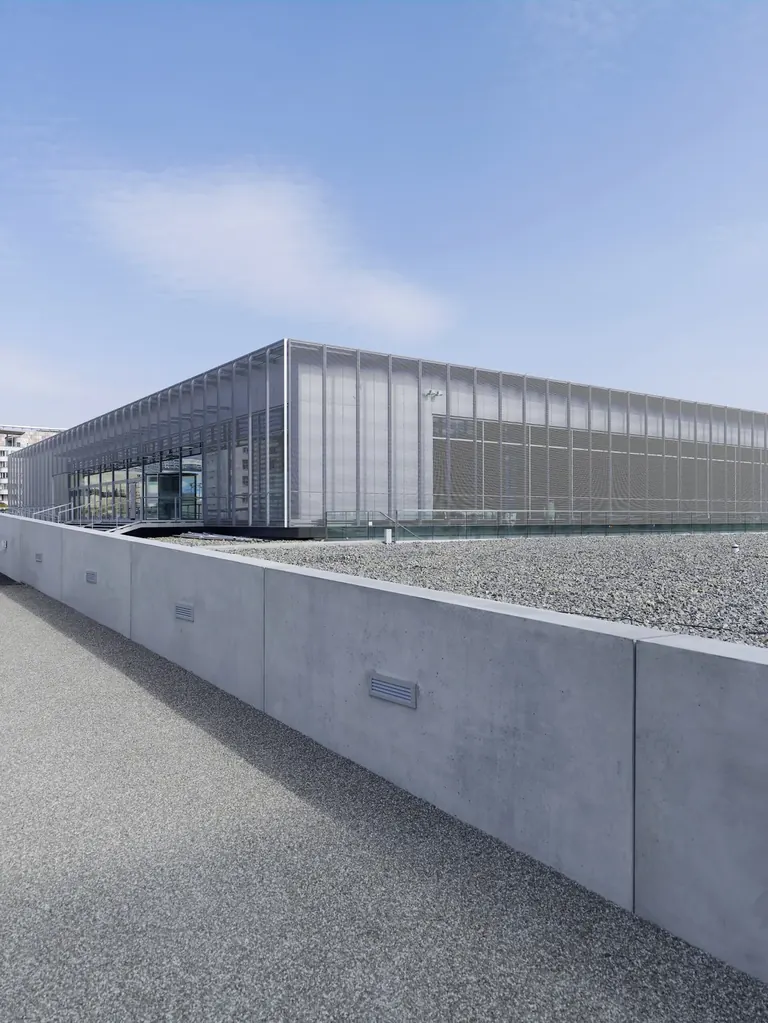
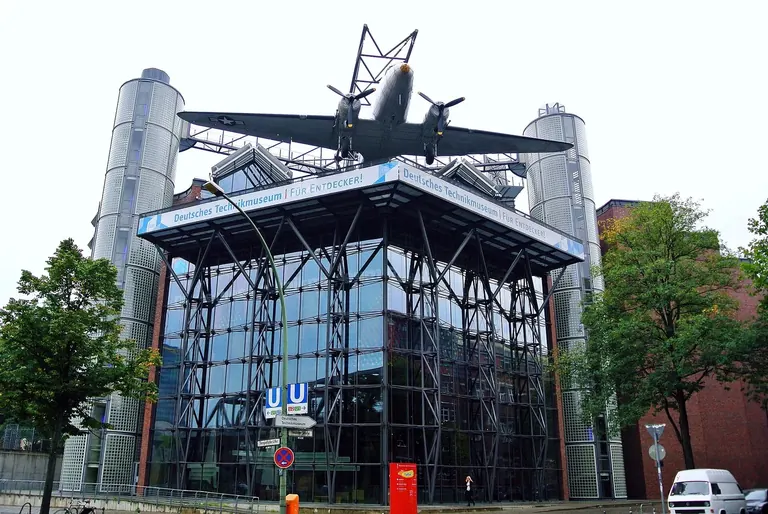
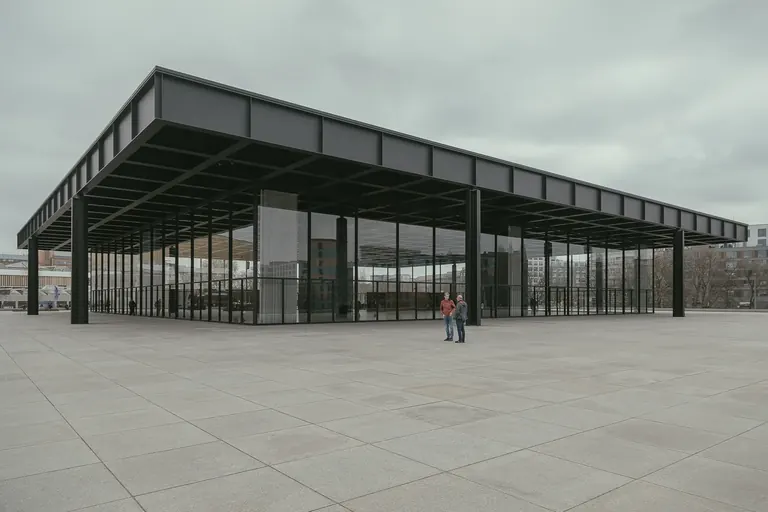
Image credits
8
- Gabriele Stötzer: Dabei sein und nicht schweigenGabriele Stötzer, Die Auslöschung eines Blicks – Ich trage meine Wunden heute offen, 1983, courtesy: LOOCK Galerie, Berlin, photo: Heike Stephan © VG Bild-Kunst, Bonn 2026
- The Holocaust – What Did the Germans Know?© Medienzentrum Hanau Bildarchiv
- Rubens, Jordaens, van Dyck. Flemish Master DrawingsPhoto: Staatliche Museen zu Berlin, Kupferstichkabinett / Jörg P. Anders
- Time Travel in the Old Tiergarten District© Bildarchiv Foto Marburg
- Gropius BauManfred Brückels / Wikimedia Commons, CC BY-SA 3.0
- Topography of TerrorStiftung Topographie des Terrors / Wikimedia Commons, CC BY-SA 3.0 DE
- Deutsches TechnikmuseumSpyrosdrakopoulos / Wikimedia Commons, CC BY-SA 4.0
- Neue NationalgalerieEvgenii Salganik / Wikimedia Commons, CC BY-SA 4.0