 i
Gropius BauKreuzberg
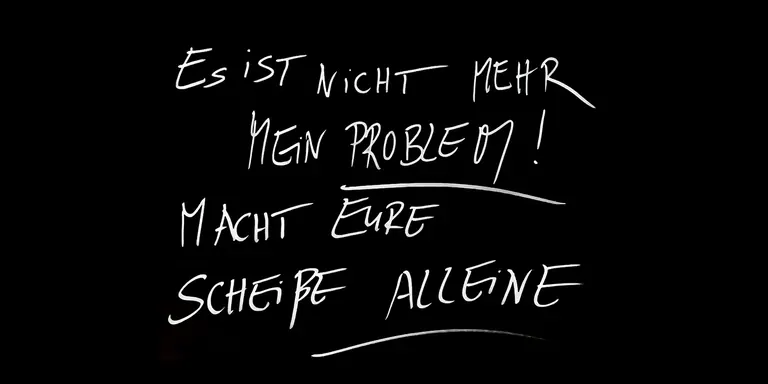
Christoph Schlingensief: Es ist nicht mehr mein Problem, macht eure Scheiße alleine
Schlingensief's first comprehensive Berlin exhibition in over a decade, from political actions to radical stage productions and performance art, focused on questioning, doubt and failure.
More in Berlin
The first thing you see needs no ticket. Kaprow City, a room-filling installation the Gropius Bau links closely to Schlingensief's work in Berlin, stands in the freely accessible Lichthof, the central atrium, and opens the show. It is about half the revolving stage from his 2006 Volksbühne play about Diana's death, mostly draped in plastic, with old TVs looping scenes from the play.
From there the exhibition runs through eight rooms of installations and video works, set among documentary film and archive material. The Guardian found his work on the far right "strikingly relevant" and watching The African Twin Towers, shot in Namibia, uncomfortable. nd called the show spotlights rather than a retrospective, with his cinema left out.
Know what you are walking into. The show deals with racism, colonial violence and the discrimination of disabled people, and it contains racist and ableist language. Some works use strobe effects and rapid image changes. A ticket is €15, reduced €10, and the house is closed on Tuesdays.
Editor's pick
Half of a 2006 Volksbühne revolving stage, draped in plastic, with TVs on loop, fills the free atrium; eight rooms follow, from The African Twin Towers on 18 screens to the Hamlet room. The Guardian found the far-right work "strikingly relevant".
Look for
Kaprow City in the Lichthof
Half of the revolving Diana stage, draped in plastic, with old TV sets looping footage from the play, in the atrium you can see without a ticket.
Ausländer Raus! Schlingensiefs Container
Paul Poet's film about Schlingensief's container action, shown in the Gropius Bau cinema every day at 16:00.
The African Twin Towers (2005)
Scenes from the Namibia project, in which a cast including Patti Smith re-enacts Wagnerian myths, play as a patchwork across 18 screens.
The Church of Fear
The wooden church first shown at the 2003 Venice Biennale, built for his parody religious community devoted to people's fears.
The Hamlet room
A room documents his Zurich Hamlet, which put neo-Nazi dropouts on stage, with excerpts of the Berlin guest run, interviews, and a wall quote: "We're not playing Hamlet, we're playing Germany."
Good for
- Nerding Out
- Out-Of-Town Guests
Skip if
You're sensitive to flashing light: the museum warns that some works use strobe effects and rapid image sequences.
Free in the same building
Plan a visit to Gropius BauAlso at Gropius Bau
On now nearby
Nearby
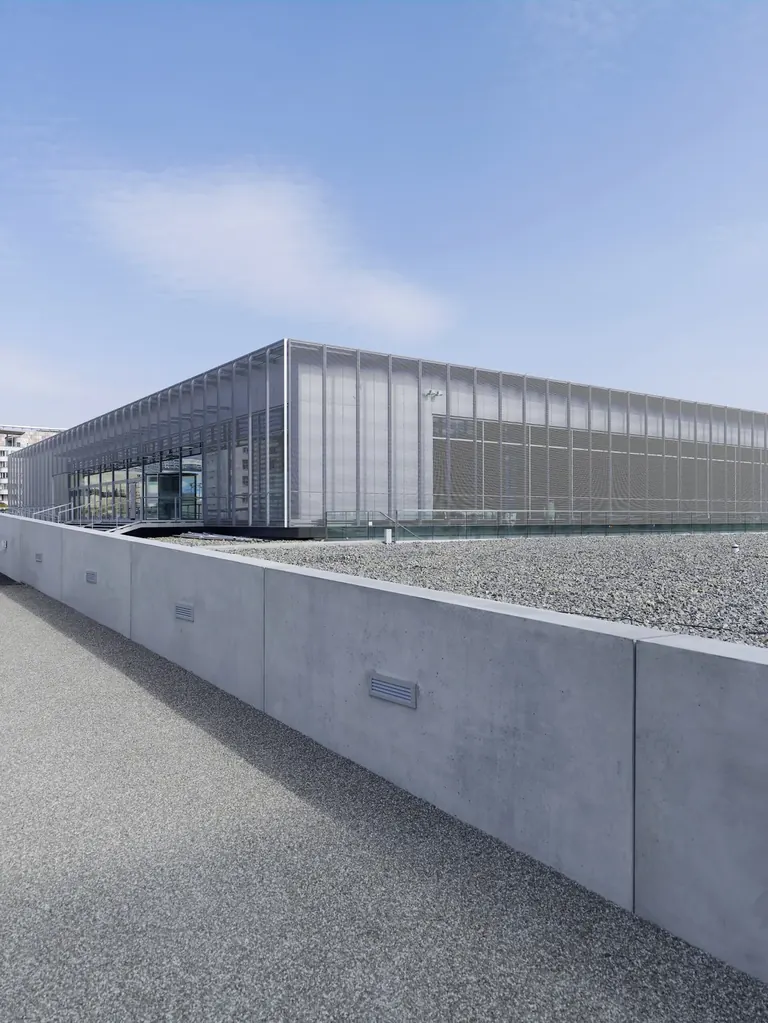
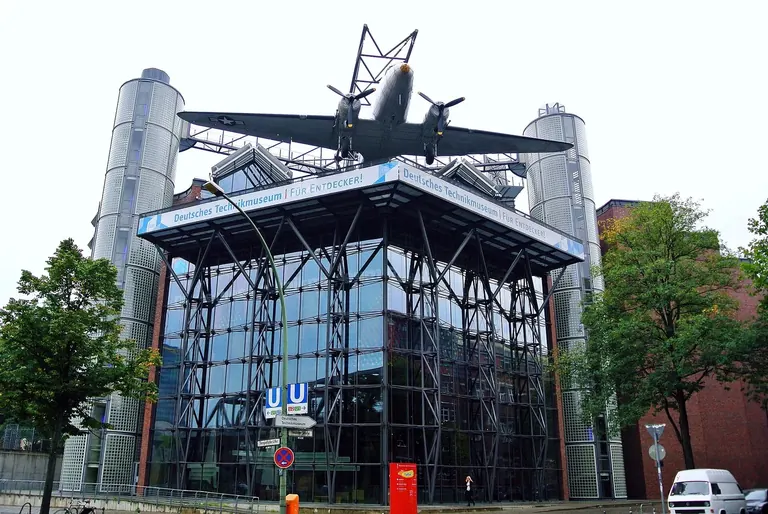
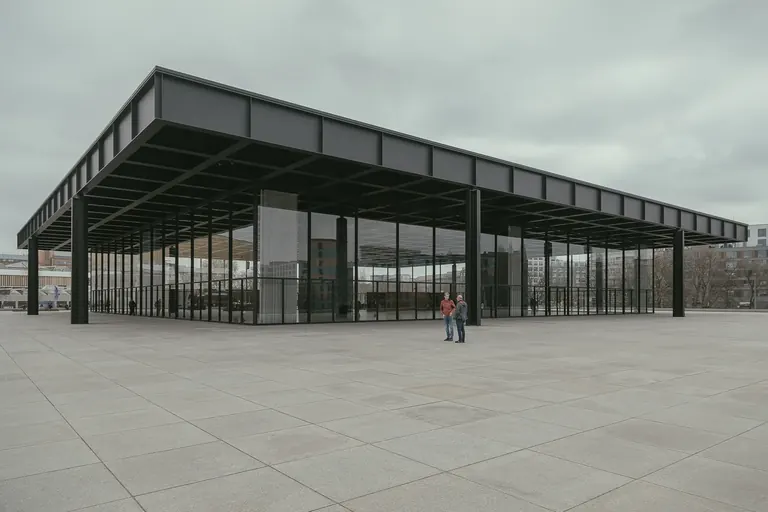
Image credits
8
- Christoph Schlingensief: Es ist nicht mehr mein Problem, macht eure Scheiße alleine© The Estate of Christoph Schlingensief
- The Holocaust – What Did the Germans Know?© Medienzentrum Hanau Bildarchiv
- Rubens, Jordaens, van Dyck. Flemish Master DrawingsPhoto: Staatliche Museen zu Berlin, Kupferstichkabinett / Jörg P. Anders
- Time Travel in the Old Tiergarten District© Bildarchiv Foto Marburg
- Gropius BauManfred Brückels / Wikimedia Commons, CC BY-SA 3.0
- Topography of TerrorStiftung Topographie des Terrors / Wikimedia Commons, CC BY-SA 3.0 DE
- Deutsches TechnikmuseumSpyrosdrakopoulos / Wikimedia Commons, CC BY-SA 4.0
- Neue NationalgalerieEvgenii Salganik / Wikimedia Commons, CC BY-SA 4.0