Before Musa, I spent almost a year building an audio tour with another provider. It felt outdated by the time I was done. With Musa it was a completely different thing, so fast and easy. This is the future of guided experiences.
Maria Gadsden, Director, Museo Miraflores
Pilot Musa at your museum.
A pilot runs on your own collection and content, the way it did at Museo Miraflores, and takes weeks rather than a procurement cycle.
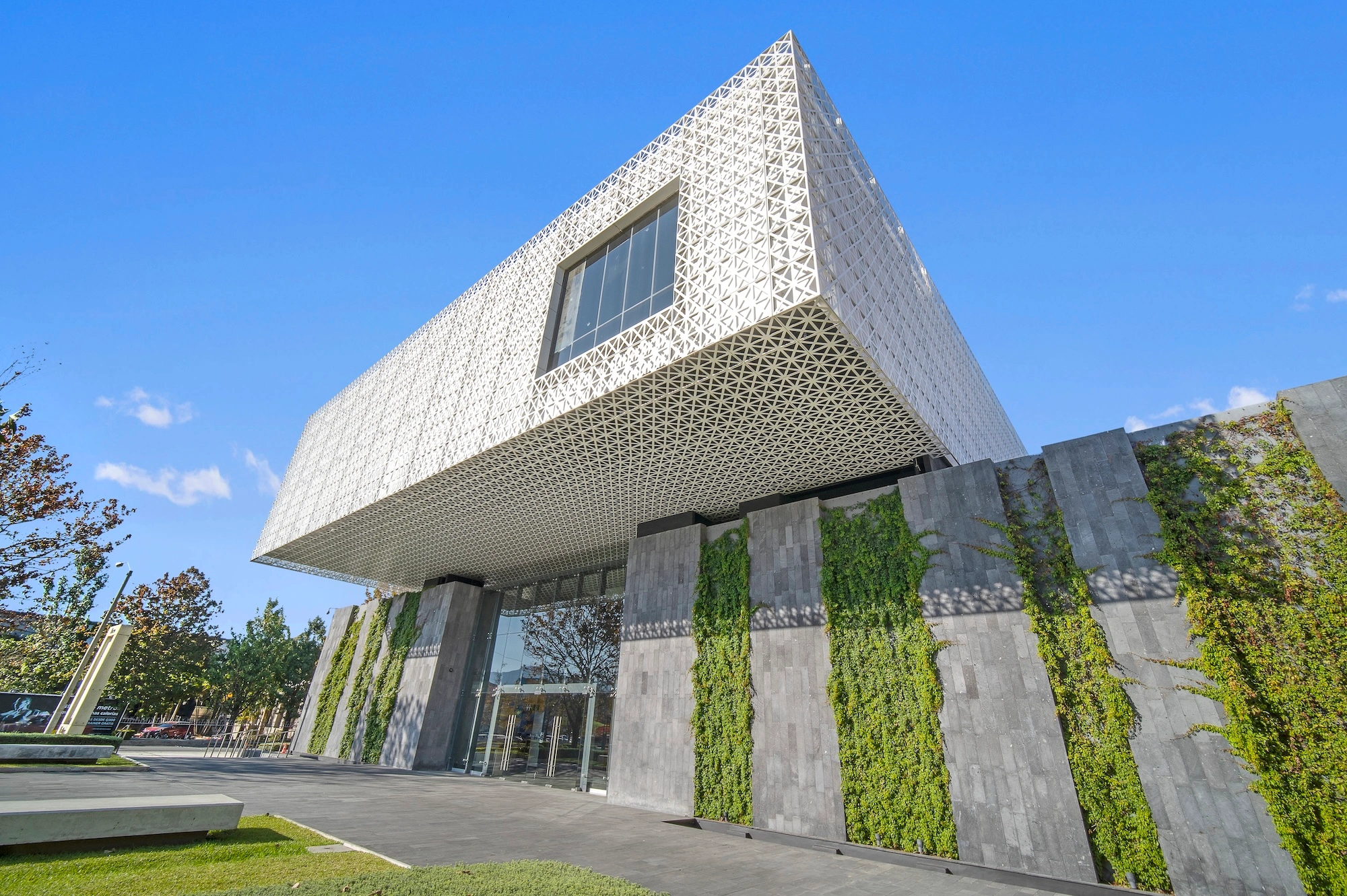
Museo Miraflores is one of Guatemala's leading Mesoamerican museums, hosting roughly 120,000 visitors per year and recognised as a TripAdvisor Traveler's Choice winner in 2026. Built on the Kaminaljuyu archaeological site, the museum draws on decades of regional fieldwork and serves a mixed audience of local schoolchildren, Guatemalan families, and international tourists.
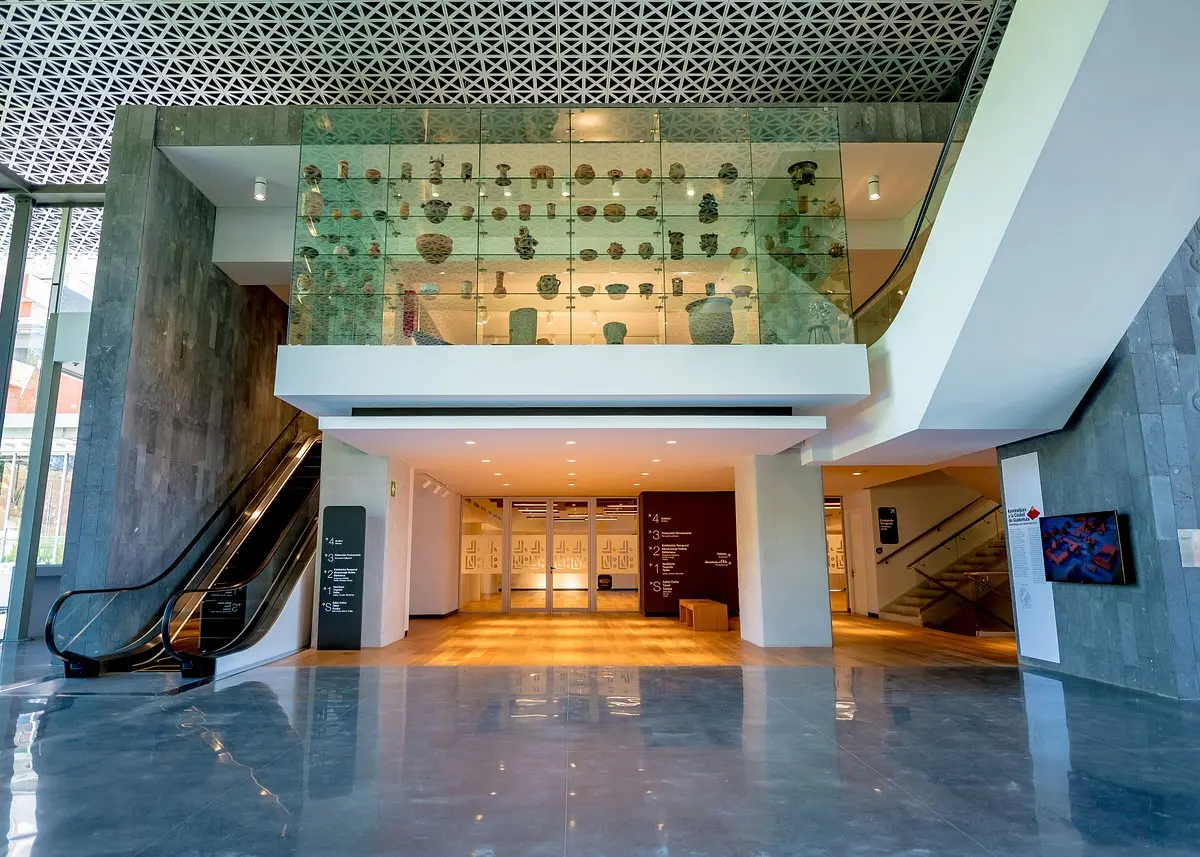
The lobby, where one QR code now launches the guide.
Challenge
Director Maria Gadsden had spent close to a year building an audio tour with another provider, a hardware-tablet system anchored around 360° image capture. The 360° feature was technically impressive. But visitors want audio that complements the visit, not features that pull attention from the real objects in front of them. By 2024, usage was low, feedback was weak, and the hassle of maintaining the devices outweighed the perceived benefit. The tablets were moved to the back office and only brought out when a visitor insisted.
Maria wanted what mattered, not gimmicks: great stories, content that stays up to date, and visitors who can ask their own questions. And no hardware.
Approach
Musa replaced the tablet system with an AI conversational audio guide running on visitor phones. A single QR code in the lobby launches the experience, with no app to download, no hardware to maintain, no checkout queue. The guide answers follow-up questions, switches languages mid-conversation, and adapts the depth of an explanation to whoever's asking.
A locally-named narrator persona, Ix'kana, anchored the experience. Working with the museum's archaeologist Hari Castillo, the team tuned pronunciation through Musa's phoneme engine so site names like Kaminaljuyu sounded correct, added practical information like emergency exit locations, and refined navigation prompts so the guide could point visitors at the right detail at the right moment.
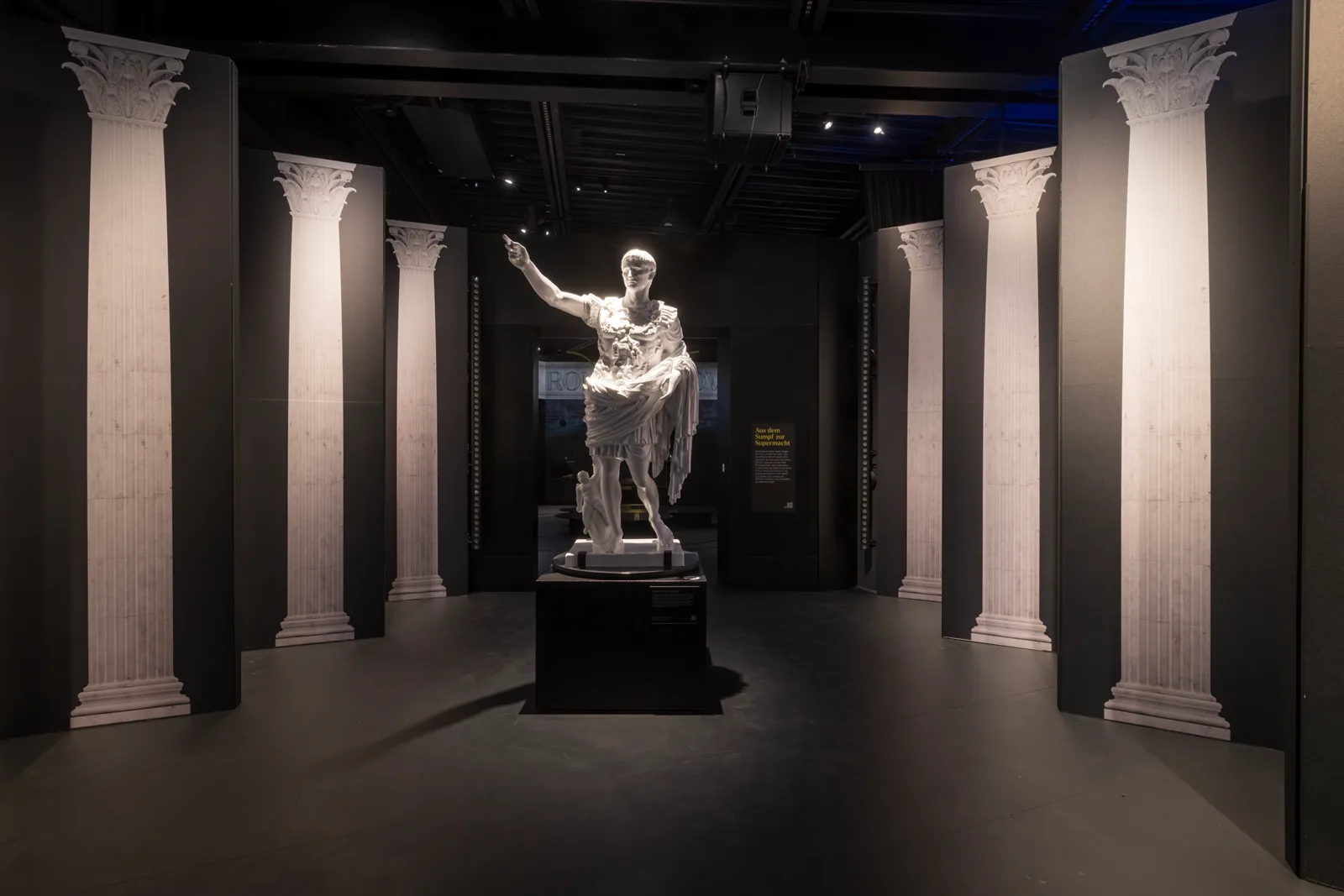
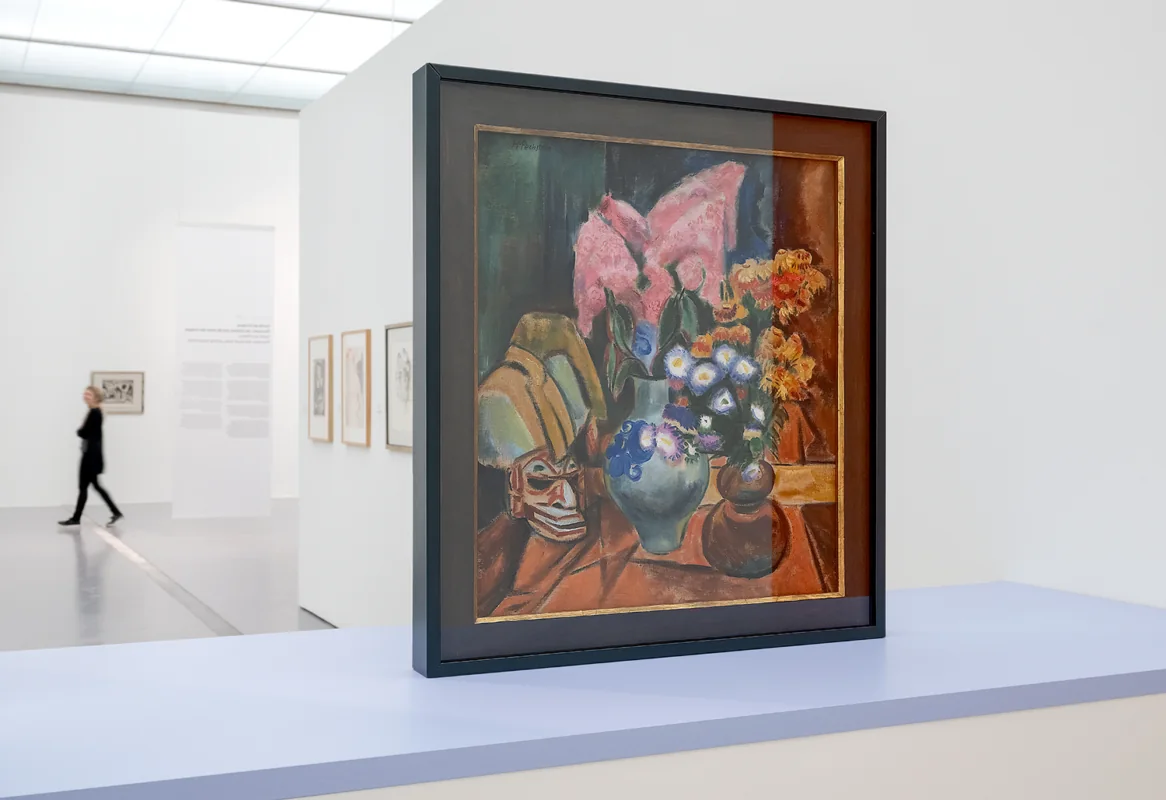
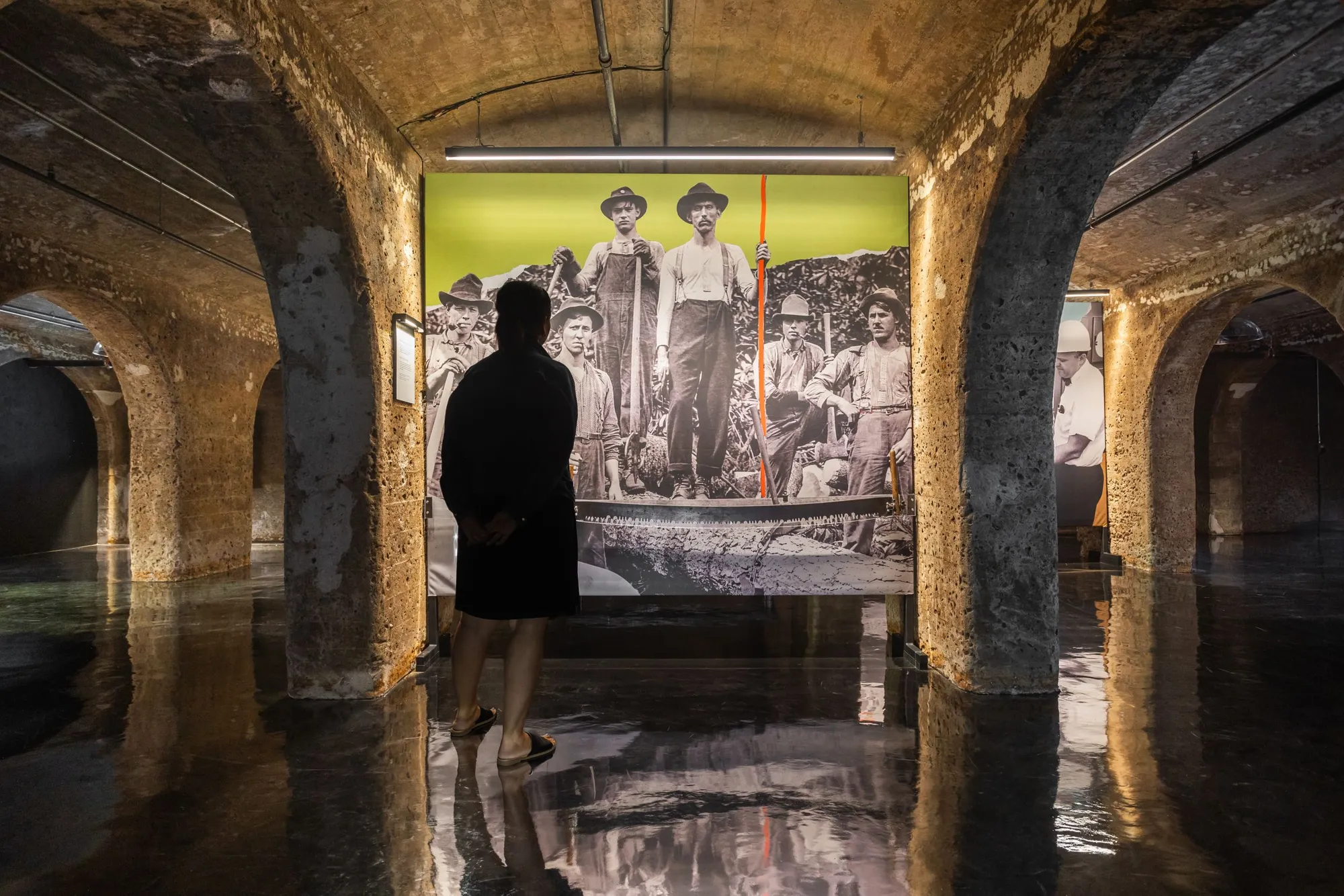
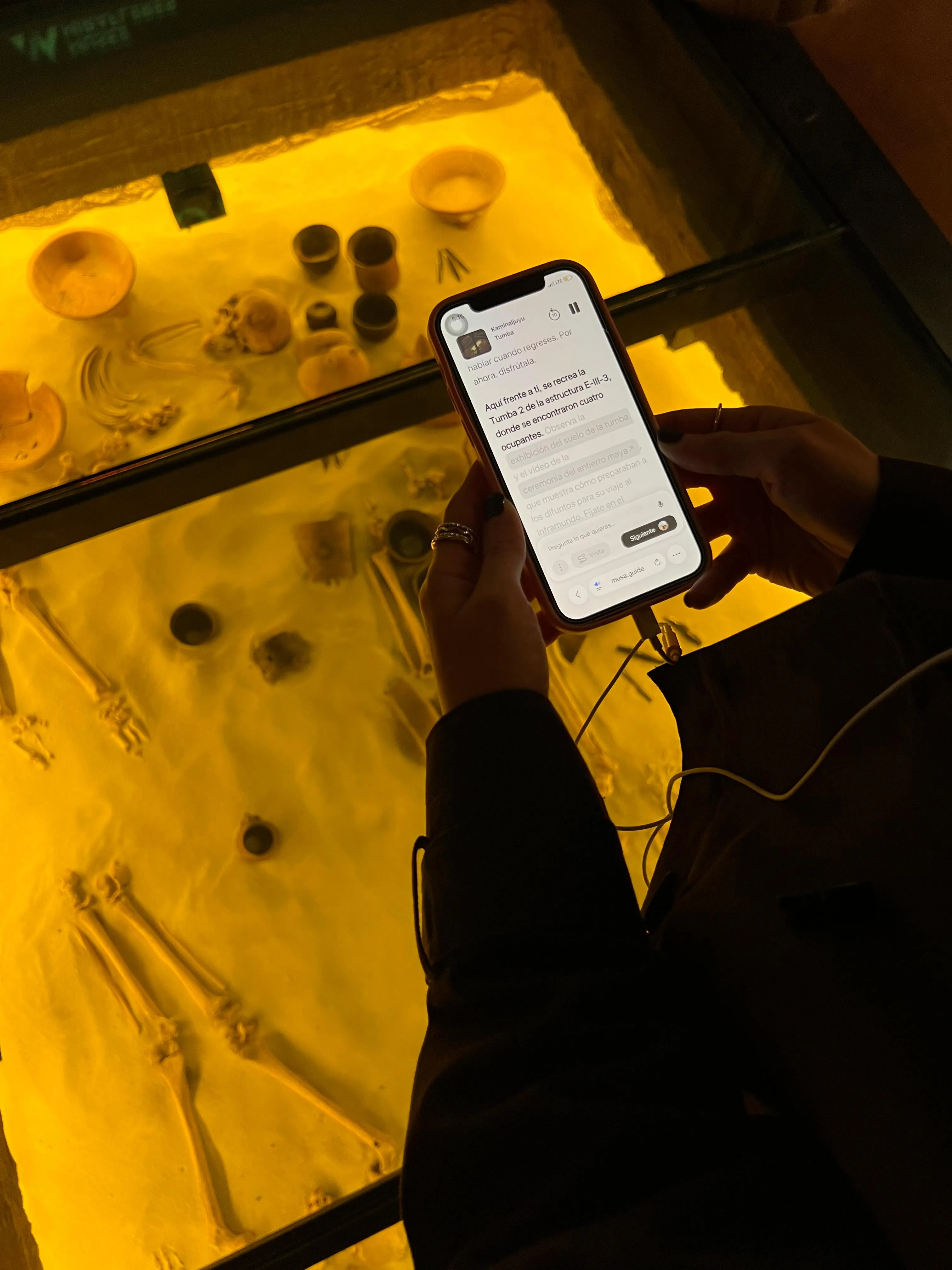
Visitors move at their own pace and ask the guide about whatever is in front of them.
The full project moved from kickoff to permanent paid deployment in 8 weeks, including a 4-week pilot.
The handover after launch is the part procurement reviewers usually want to see. Hari Castillo took ownership of Musa Studio after a single onboarding session and has been editing content directly ever since. Gallery label changes, new acquisitions, refined explanations all ship without involving Musa. His reaction during onboarding: "The app is friendly. Very, very friendly. It's easy. It's so wow." Self-service was the design goal; the test was whether a curator with no software background could run it on day one. He could.
Outcomes
It made navigating the museum feel very natural. I loved taking the escalators while it pointed
out architectural details along the way.
Karin Cardoza, visitor
5x uptake compared to the museum's previous audio guide
40+ minute average sessions, against a 10-15 minute industry baseline. Some visitors stay engaged for nearly two hours.
26 positive visitor comments captured during launch week alone
200+ visitors used the guide during the 4-week pilot
Once paid, visitors went deeper: more follow-up questions, longer dwell, niche-topic exploration the museum can now see in its analytics
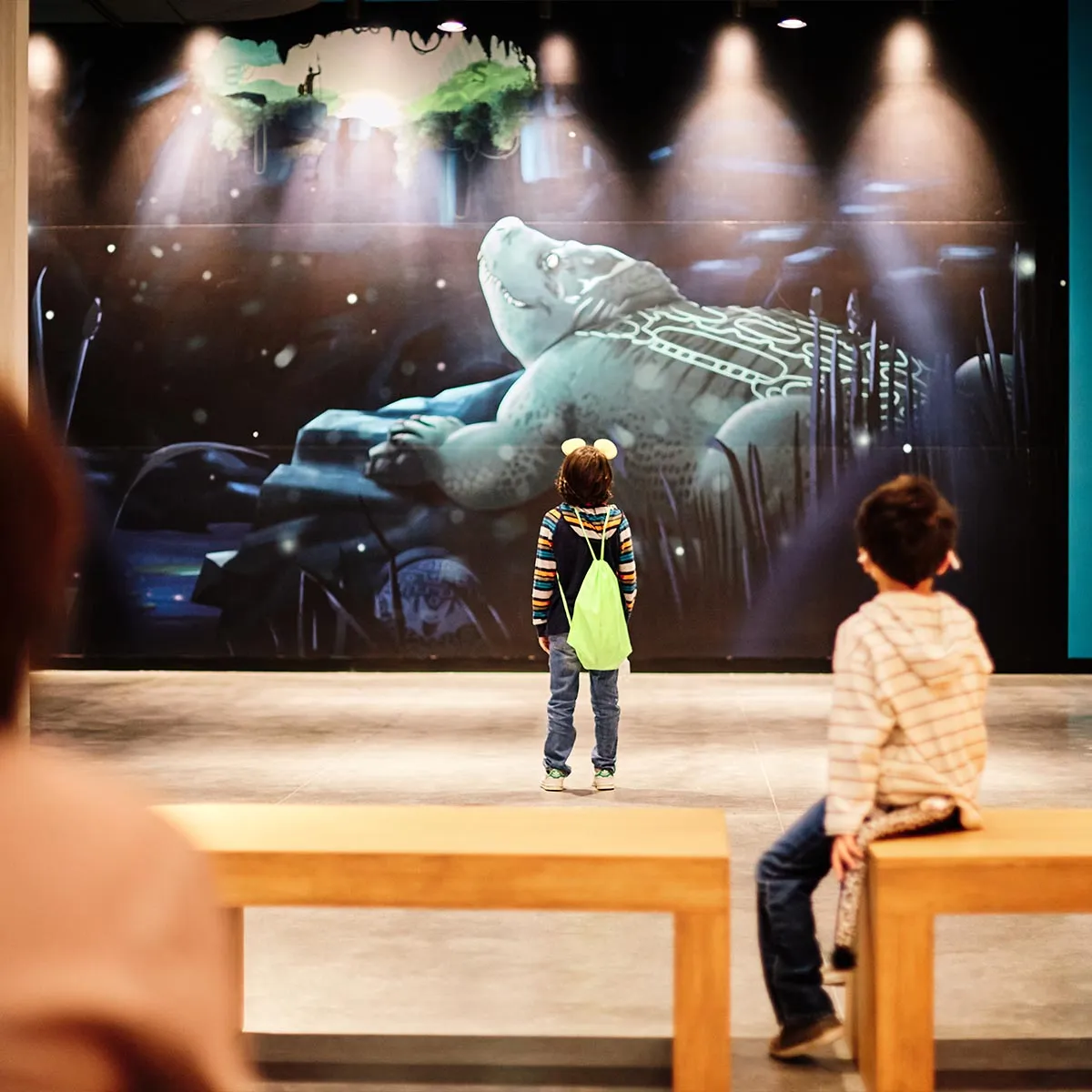
The family-friendly mode adapts answers to a child's level.
The launch reception extended beyond visitor satisfaction. An Egyptian ambassador using the guide on a state visit asked Maria, half-joking: "Can I take this with me to Egypt?" Maria's young daughter tested the family-friendly mode and the answers adapted to a child's level. And within the first week, both Guatemala's Tourism Office (INGUAT) and the Ministry of Foreign Affairs publicly congratulated the museum on the launch through their official Instagram and Facebook channels, a level of government endorsement that's unusual for a museum technology rollout.
Commercial model
Maria enabled payments with one click on the day of launch and set the price at US$2 per visitor. Pricing is in the museum's hands. Musa supports changing it any time, so the museum can find what works for its audience without coordinating with the vendor. Based on willingness-to-pay signal from the first months, the museum plans to move pricing to US$4 per visitor later in 2026. The guide is a permanent visitor-paid revenue stream that the museum controls end to end.
Recognition
Since launching, press coverage has continued to build as more visitors experienced the guide and the industry took notice.
October 2025: Launch
October-November 2025: Guatemala's Tourism Office (INGUAT) and Ministry of Foreign Affairs publicly congratulated the museum via official social channels
2025: Winner of the Blooloop Innovation Award 2025 for Guest Journey of the Year, judged by panels including the British Museum. Musa was the first AI audio guide to win in that category.
2026: TripAdvisor Traveler's Choice 2026
May 2026: guatemala.com recognised Museo Miraflores as the first Central American museum to offer an AI-guided tour, in coverage of the TripAdvisor win