 i
Wien MuseumWieden
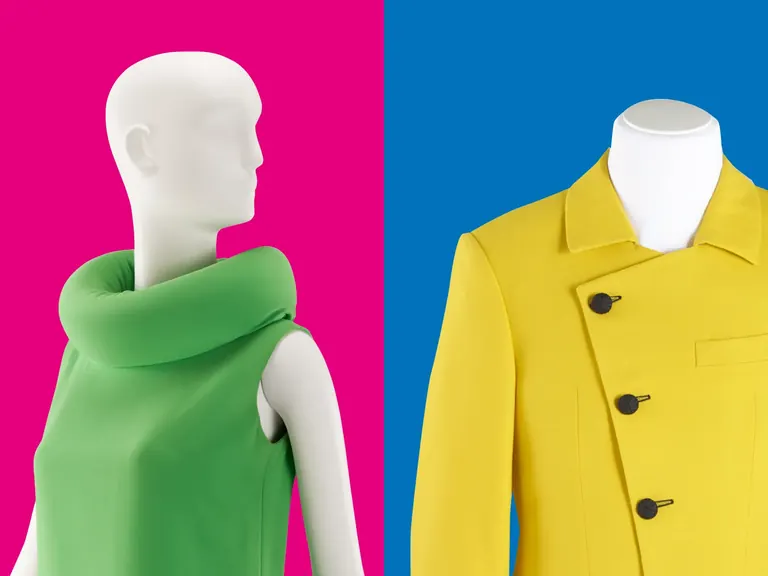
Farbenspiel. Mode aus vier Jahrhunderten
A cultural history of colour told through around 350 garments from the Wien Museum's fashion collection, exploring colour as a symbol of status, emotion and identity.
More in Vienna
The oldest pieces in the show are a pair of striped garters from the 1780s, and they set the rule for everything after them: colour is never just taste.
About 350 garments from the museum's own fashion collection hang by colour rather than by date. There are rooms for red, white, black, blue, green and yellow, plus a section for multicoloured pieces. The white room includes children's dresses from around 1880, which told neighbours a household could afford laundry. Curator Michaela Lindinger says colour shows who held power and who was allowed to wear what. Law governed it until the 18th century, and aniline dyes opened up the palette around 1854. If your wardrobe is mostly black, like half the U1 at 8am, the black room is where you will recognise yourself.
The museum lists admission at €13 (€11 reduced), free for under-19s. It opens until 21:00 on Thursdays.
Editor's pick
Around 350 garments from four centuries of the Wien Museum's fashion collection, read through colour as a sign of status, emotion and identity.
Look for
The neon yellow suit
A men's suit labelled "Golden Twenties" by Licona, from 1968, cut narrow under the influence of British pop style.
The white children's dresses
Empire-waist dresses from around 1880, where white signalled wealth and access to laundry.
The green evening dress
An evening dress designed by Josef Mikl in 1970/71, shown in the green section.
The striped garters
Pieces from the 1780s, the oldest in the collection on show.
Good for
- Evening Visits
- Nerding Out
Skip if
You need English wall texts: the exhibition is in German, with English tours only on Sundays at 16:00.
With kids
Under-19s are free, as is everyone on the first Sunday of each month. The museum runs programmes for children and families.
Free in the same building
- Gustav Klimt: Portrait of Emilie Flöge (1902)Klimt's full-length 1902 portrait of his companion Emilie Flöge, the fashion designer, is one of the museum's most famous paintings and a highlight of the free permanent exhibition.
- Model of St. Stephen's CathedralA five-metre 19th-century model of St. Stephen's Cathedral, once stored in the cathedral's attic and restored for the museum's central hall.
- Wien. Meine GeschichteThe free permanent exhibition: Vienna's history from the first settlements to today, told chronologically across three floors, 3,300 m² and 1,700 objects.
Also at Wien Museum
On now nearby
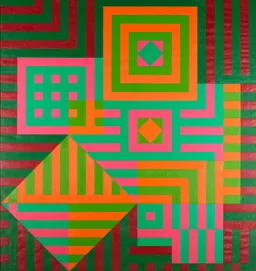
Nearby
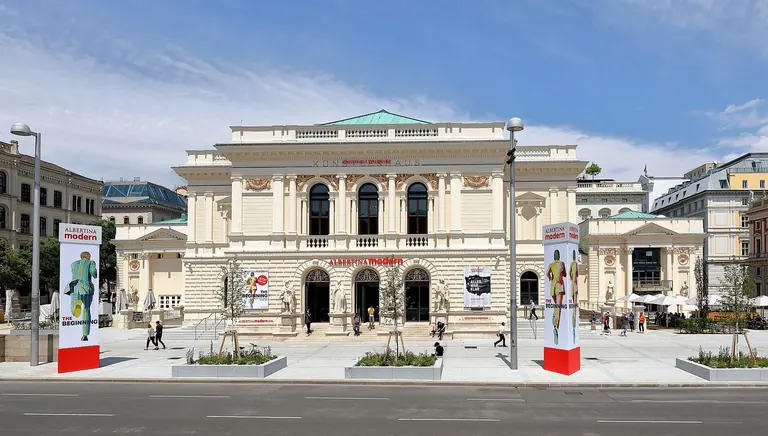
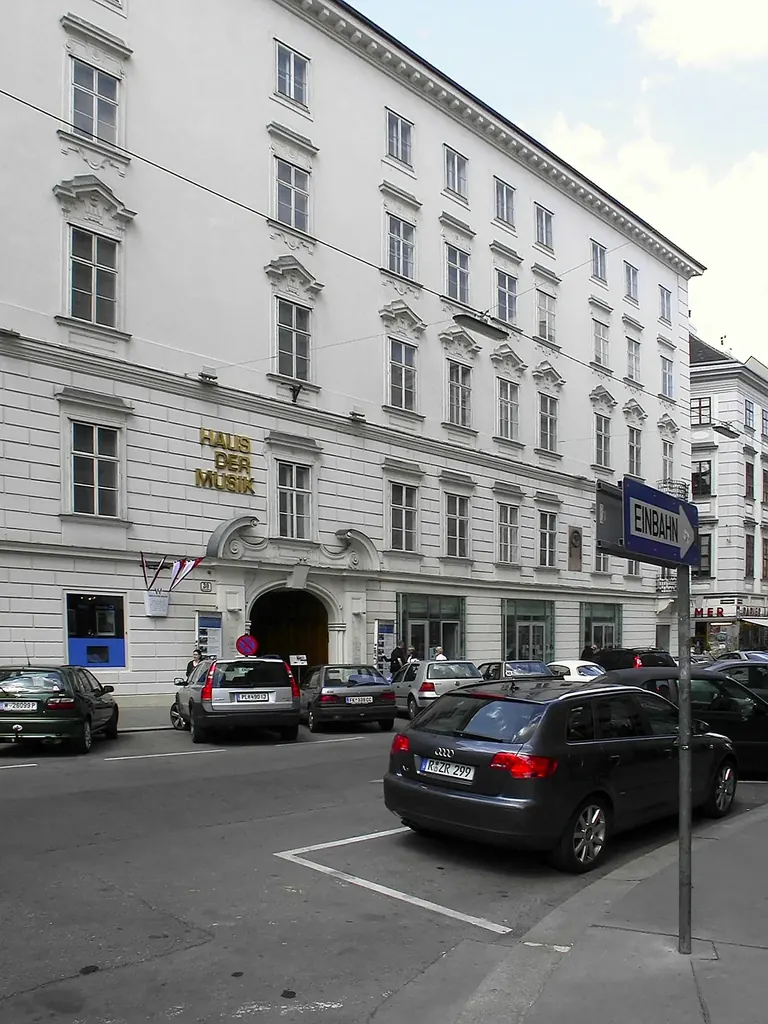
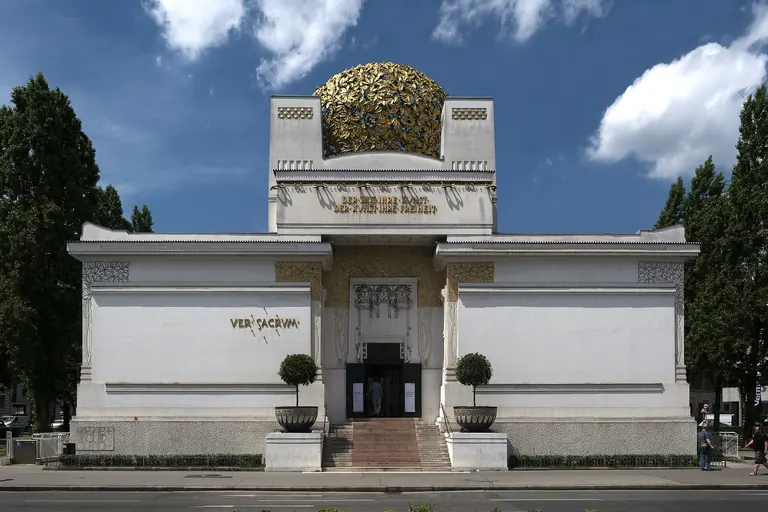
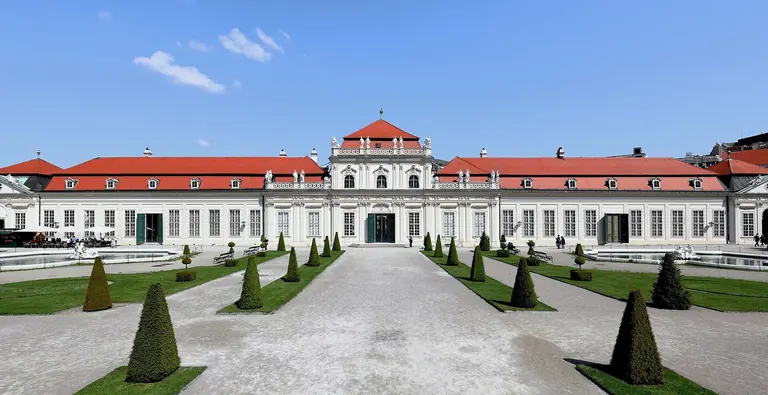
Image credits
9
- Farbenspiel. Mode aus vier JahrhundertenWien Museum
- Vasarely & Adrian: Dynamic GridsALBERTINA, Vienna – The ESSL Collection © Bildrecht, Vienna 2025
- Bernhard Leitner: SOUNDSPACESCULPTUREFoto: Iris Ranzinger
- Lap-See Lam: 192 Wing Lok StreetFoto: Oliver Ottenschläger. Courtesy der Künstlerin und Galerie Nordenhake Stockholm/Berlin/Mexico City
- Wien MuseumGeolina163 / Wikimedia Commons, CC BY-SA 4.0
- Albertina ModernC.Stadler/Bwag, CC BY-SA 4.0
- Haus der MusikClemens Pfeiffer, Wikimedia Commons
- Vienna Secession (Secession)Thomas Ledl / Wikimedia Commons, CC BY-SA 4.0
- Lower BelvedereC.Stadler/Bwag, Wikimedia Commons, CC BY-SA 4.0