 i
Leopold MuseumNeubau
Herbert Boeckl – Hans Josephsohn: Figural Archetypes
Painter Herbert Boeckl and sculptor Hans Josephsohn, who never met, in dialogue: shared ideas of the body, material and the search for form.
More in Vienna
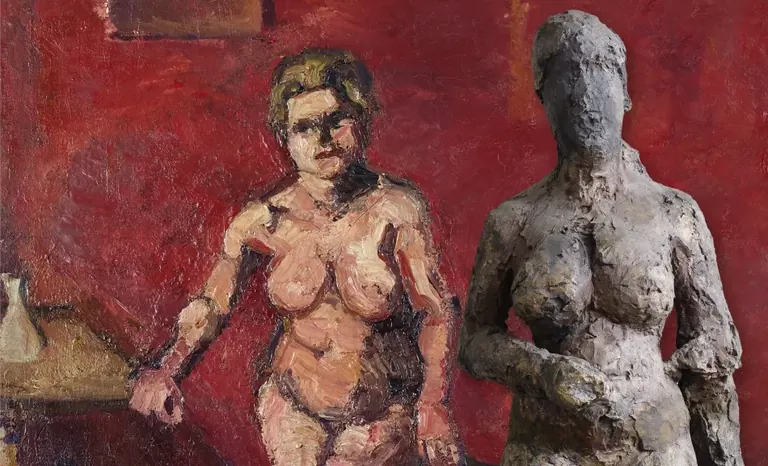
Der Standard's critic could almost see Hans Josephsohn scooping plaster out of a bucket and slapping it onto a figure, his fingers digging deep into its skin. Put Herbert Boeckl's paintings beside that and you have the show's point: Boeckl sometimes squeezed paint straight from the tube and modelled it until the canvas looked like relief.
The two never met. Boeckl was an Austrian painter (1894 to 1966); Josephsohn a Swiss sculptor (1920 to 2012) who got his first gallery at 80. More than 80 works on Level -1 set Boeckl's paintings and drawings against Josephsohn's plaster and brass, from stele-like, block-shaped figures of the early 1950s to the chunky brass bodies of around 2000. Boeckl's landscapes look like bodies; Josephsohn's reclining figures look like mountain ranges.
Der Standard found the similarities convincing but said the story wears thin, and its headline asked whether quiet and static tips into dull. You go for the surfaces, up close. Entry is €19, closed Tuesdays, until 10 January.
Look for
Boeckl, Group at the Edge of the Wood (1920)
Look for Boeckl and his young wife Maria, painted in paint layered so thick the canvas reads almost like a relief.
Boeckl, Portrait of Josef von Wertheimstein (1921)
A figure cut down to a few marks, rising out of a dark, pasty ground as if, in the museum's words, from primeval mud.
Josephsohn's early plaster figures
Compact, block-like figures from the late 1940s and early 1950s, pared down until they recall Egyptian, Greek and Etruscan statues.
Josephsohn's brass bodies from around 2000
Chunky late figures where he kept piling on plaster before casting, with finger marks pressed deep into the surface.
Good for
- Going Solo
- Locals Who've Seen It All
- Nerding Out
Skip if
You want a strong story: Der Standard found the pairing's narrative wears thin over time.
Also at Leopold Museum
On now nearby
Nearby
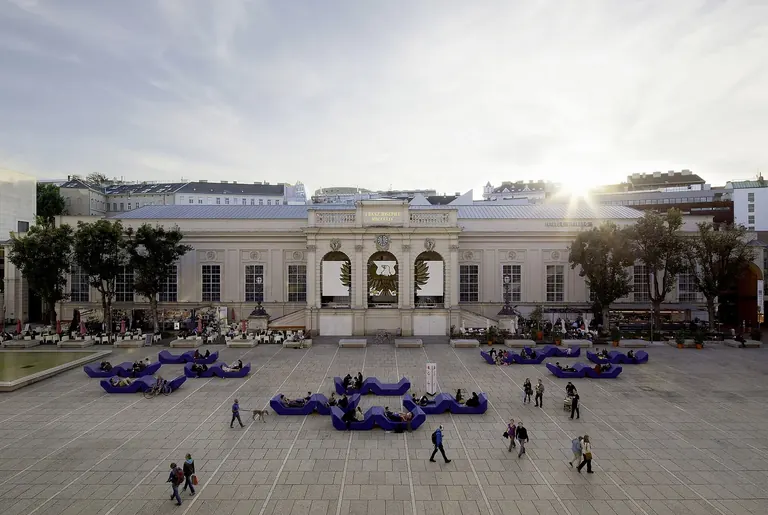
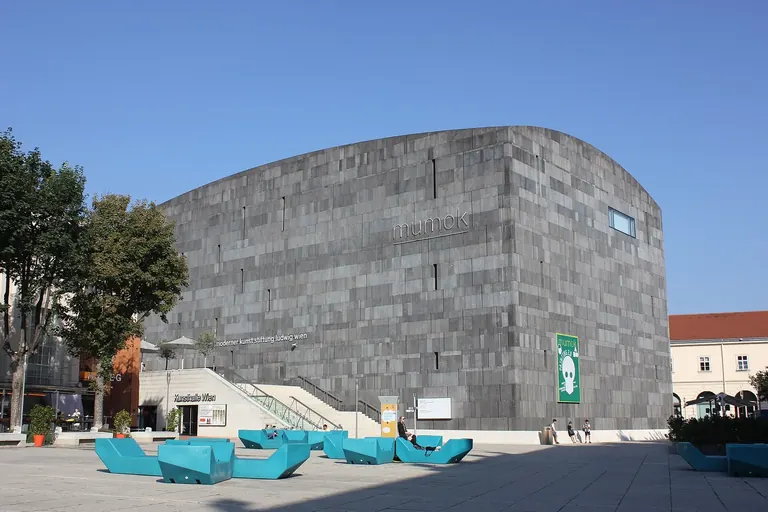
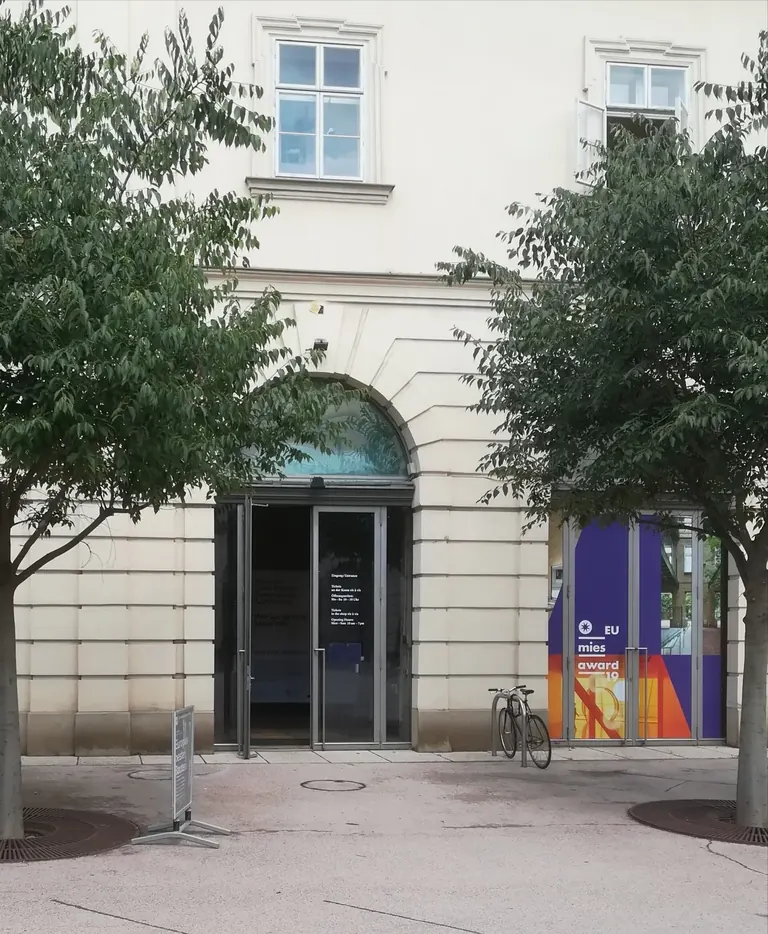
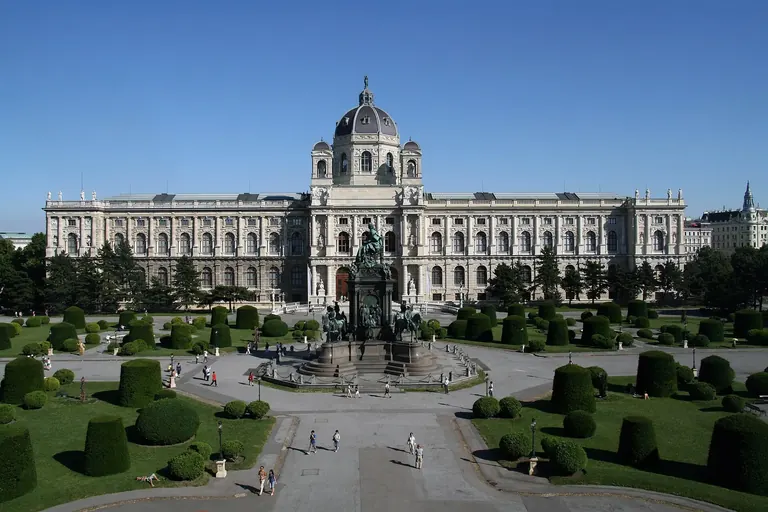
Image credits
9
- Herbert Boeckl – Hans Josephsohn: Figural ArchetypesHerbert Boeckl Nachlass, Vienna; Josephsohn Estate / Kesselhaus Josephsohn, St. Gallen
- Tolia Astakhishvili: Figure of the Childmumok – Museum moderner Kunst Stiftung Ludwig Wien
- Terminal Piecemumok – Museum moderner Kunst Stiftung Ludwig Wien
- 20 Years of VIENNA DESIGN WEEK: A City Full of Posters© Graphic Design: SIRENE Studio
- Leopold MuseumPeter Gugerell / Wikimedia Commons, CC0
- Kunsthalle WienStephan Wyckoff / PresseKunsthalleWien, via Wikimedia Commons, CC BY-SA 4.0
- mumok – Museum moderner Kunst Stiftung Ludwig WienAndrzej Otrębski / Wikimedia Commons, CC BY-SA 4.0
- Architekturzentrum Wien (Az W)Spock1801 / Wikimedia Commons, CC BY-SA 4.0
- Kunsthistorisches Museum WienManfred Werner (Tsui), Wikimedia Commons, CC BY-SA 3.0