 i
Punta della DoganaDorsoduro
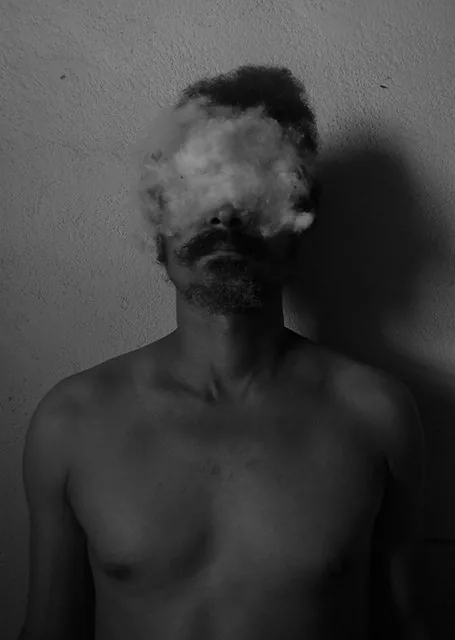
Paulo Nazareth. Algebra
Brazilian artist Paulo Nazareth fills the former customs house with twenty years of work tracing colonial fractures, threaded by a line of salt outlining a ghost slave ship.
More in Venice
A line of coarse salt runs across the floor of the upper galleries. Seen from above, it traces a tumbeiro, the Portuguese name for the ships that carried enslaved Africans across the Atlantic. A measured drawing against a wall shows up to four hundred people packed into one hold, in the space you are walking through.
Around the salt sit twenty years of Nazareth's work, some never shown before. Notícias de América condenses his ten-month walk from Brazil to New York into photographs, notes and worn-out Havaianas. There are small paintings of Mediterranean migrant boats done like Dutch sea pictures, consumer products sealed in resin, and skulls from Brazilian anthropological museums. Tadao Ando's concrete cube is wrapped in dishcloths embroidered by the artist's mother.
Domus called the salt line one of the most radical interventions this building has faced. The €20 ticket also covers Palazzo Grassi, under-20s go free, and it's closed Tuesdays, last entry 17:00. Free mediators are in the rooms on Mondays, Wednesdays and weekends.
Look for
The salt ship
A thick line of coarse salt crosses every gallery and, seen from above, draws the outline of a slave ship's hull.
The hold drawing
A measured drawing leaning against a wall shows how up to four hundred people could be packed into a single hold.
Amor de Mãe
Ando's concrete cube at the heart of the building, covered in panos de prato, the dishcloths Nazareth's mother embroidered.
Notícias de América
Photographs, handwritten notes and worn-out Havaianas from the artist's ten-month walk from Brazil to New York.
The migrant-boat paintings
Small paintings of migrant boats in the Mediterranean, done in the manner of Dutch maritime scenes.
Good for
- Nerding Out
- Out-Of-Town Guests
Skip if
You'd rather not see human remains: skulls and ossuaries from Brazilian anthropological museums are on display.
With kids
Under-20s get in free. The show deals with the Atlantic slave trade and displays human skulls and ossuaries.
Also at Punta della Dogana
On now nearby
Nearby
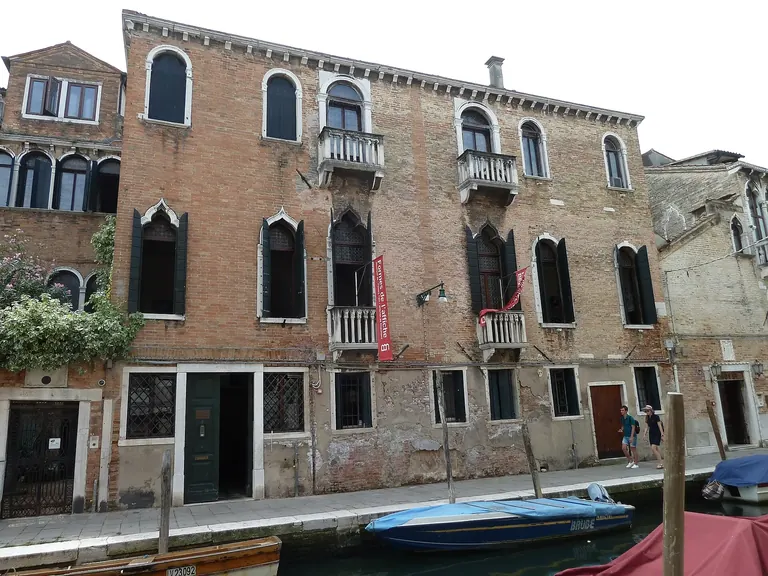
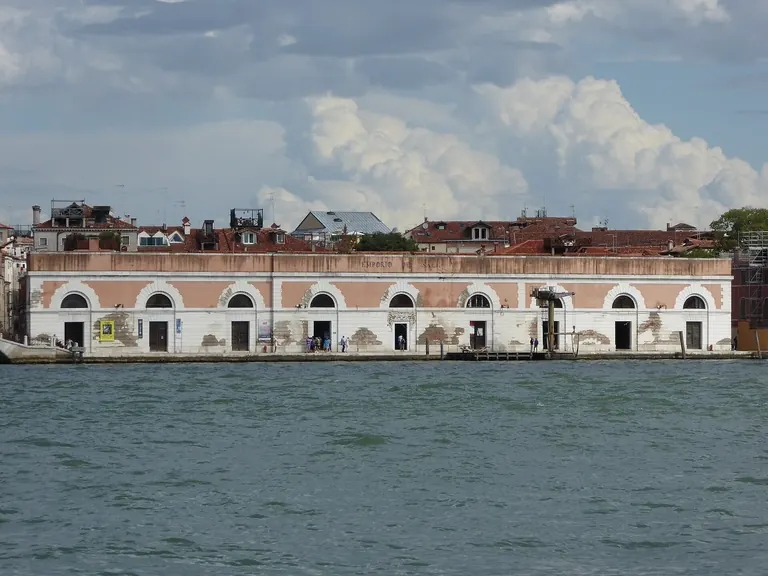
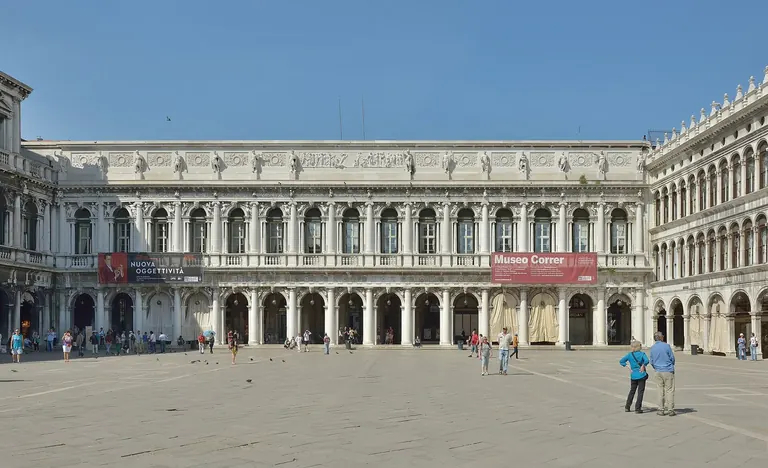
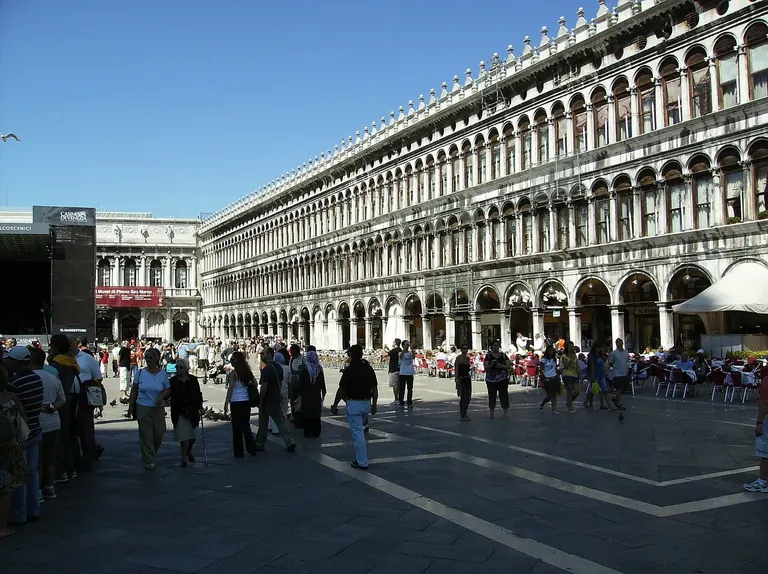
Image credits
9
- Paulo Nazareth. AlgebraCourtesy of Punta della Dogana
- Bizhan Bassiri. Principe. Il Nottambulo del Pensiero MagmaticoCourtesy of Museo Correr
- Spiral Economy. Charrière and CanovaCourtesy of Museo Correr
- The Silks of Lucio AndrichCourtesy of Palazzo Mocenigo – Museum of Textiles and Costume
- Punta della DoganaWolfgang Moroder / Wikimedia Commons, CC BY-SA 3.0
- Fondazione Bevilacqua La MasaAbxbay / Wikimedia Commons, CC BY-SA 4.0
- Fondazione Emilio e Annabianca Vedova (Magazzino del Sale)Abxbay / Wikimedia Commons, CC BY-SA 4.0
- Museo CorrerWolfgang Moroder / Wikimedia Commons, CC BY-SA 3.0
- Museo Archeologico Nazionale di VeneziaAbxbay / Wikimedia Commons, Public domain