 i
Punta della DoganaDorsoduro
Lorna Simpson. Third Person
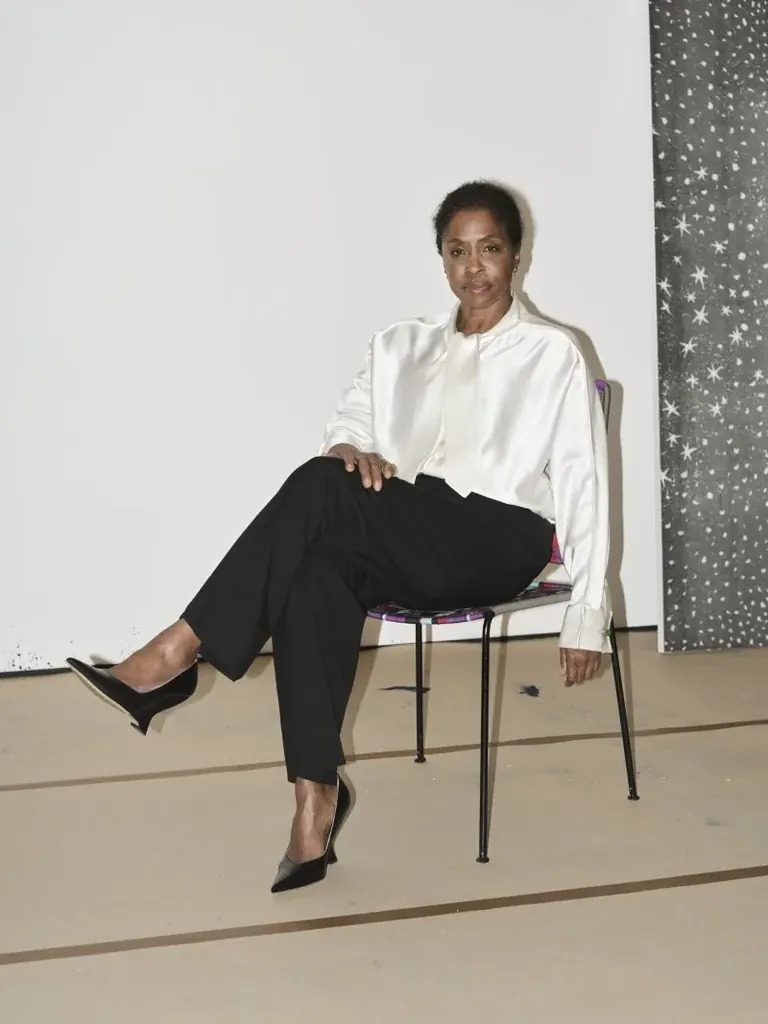
Lorna Simpson's largest European show in over a decade: about fifty paintings, collages, sculptures, installations and films on memory, representation and identity.
More in Venice
Somewhere along the route you're invited to pick up a gong and strike a row of obsidian singing bowls set on stacked slabs of porphyry. AnOther's critic called the sound "a hauntingly beautiful chorus".
That piece sits among about fifty works from twenty years: paintings, collages, sculpture and film, some made for this building. The first room opens on a column of Ebony and Jet magazines nearly four metres tall and on civil rights photographs enlarged and painted over. Next come Arctic paintings in blues and greys, built from polar expedition photographs, then a room of forty collages, and the show ends in Tadao Ando's Cube with large portraits of women.
AnOther called it one of the most stirring shows of the Biennale season. ATP Diary's warning is fair: Simpson never goes for pretty painting. The €20 ticket also covers Palazzo Grassi, under-20s go free, and it's closed Tuesdays, with last entry at 17:00.
Editor's pick
Lorna Simpson's largest European show in over a decade: about fifty paintings, collages, sculptures, installations and films on memory, representation and identity.
Look for
Black Totem (2025)
In the first room, a column of stacked Ebony and Jet magazines nearly four metres high, crowned with glass blocks shaped like oversized ice cubes.
Three Figures (2014)
Twelve panels blow up a photograph of three people being sprayed by police at the 1963 Birmingham civil rights protests, overlaid with ink.
Vibrating cycles (2026)
Obsidian singing bowls on altar-like stacks of porphyry, which visitors are invited to strike with a gong.
The Unanswerable collages
Small surreal domestic scenes: a deer with a woman's head lying on a bed, and rooms engulfed by snow, fire and clouds.
The portraits in Ando's Cube
The final space holds large paintings of Black women in deep blues, blacks and iridescent greys, dotted with gold.
Good for
- Nerding Out
- Out-Of-Town Guests
Skip if
You'd rather avoid images of police violence: civil rights protest photographs anchor the opening room.
With kids
Under-20s get in free. Some paintings are built from photographs of police spraying protesters during the 1960s civil rights movement.
Also at Punta della Dogana
On now nearby
Nearby
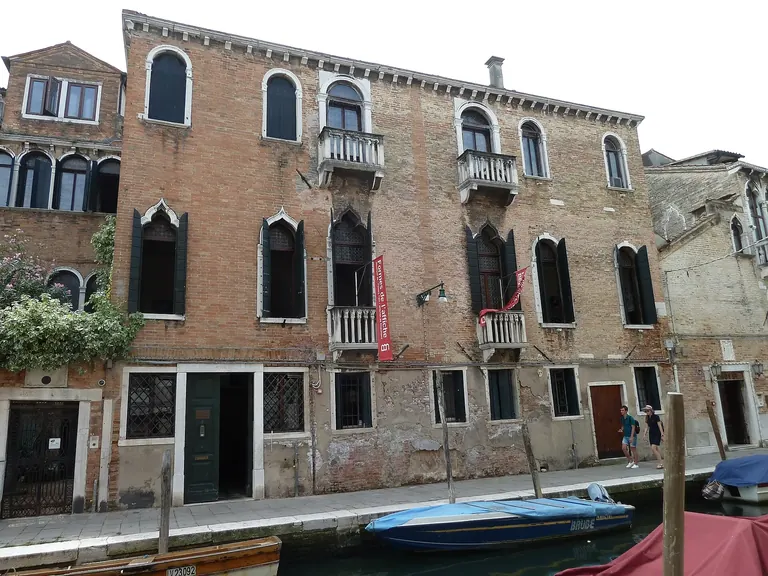
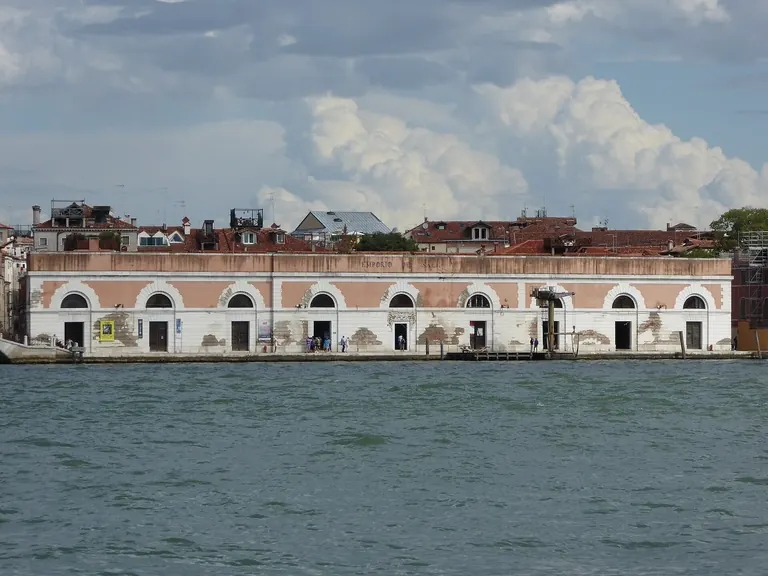
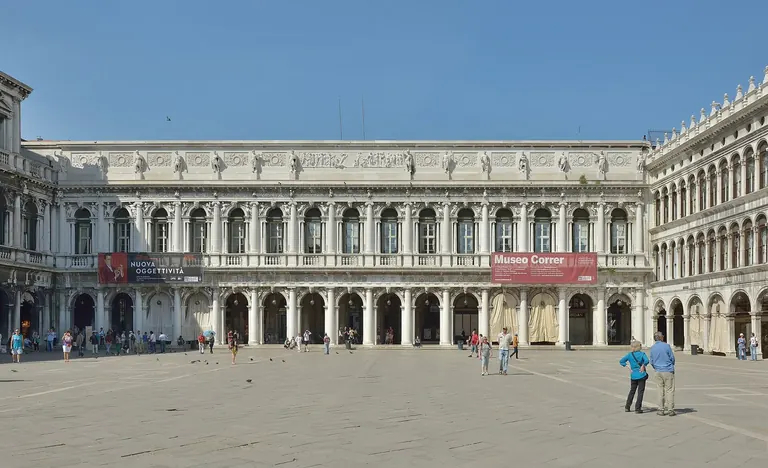
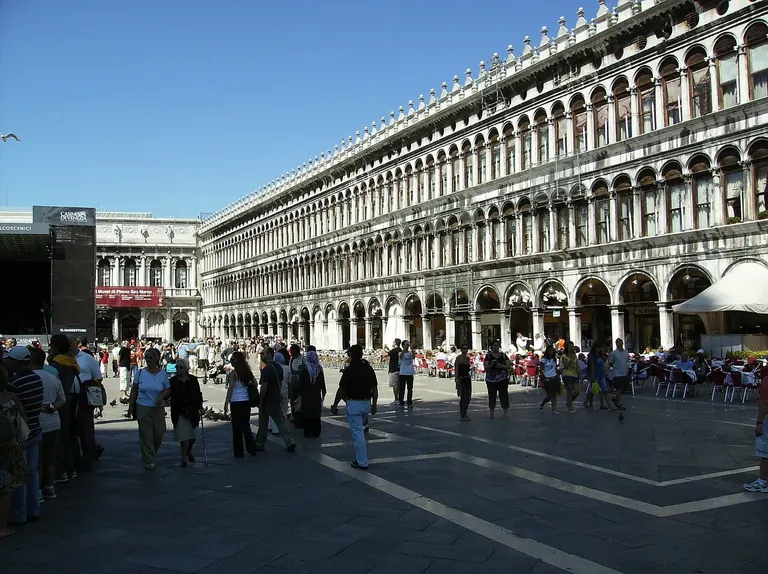
Image credits
9
- Lorna Simpson. Third PersonCourtesy of Punta della Dogana
- Bizhan Bassiri. Principe. Il Nottambulo del Pensiero MagmaticoCourtesy of Museo Correr
- Spiral Economy. Charrière and CanovaCourtesy of Museo Correr
- The Silks of Lucio AndrichCourtesy of Palazzo Mocenigo – Museum of Textiles and Costume
- Punta della DoganaWolfgang Moroder / Wikimedia Commons, CC BY-SA 3.0
- Fondazione Bevilacqua La MasaAbxbay / Wikimedia Commons, CC BY-SA 4.0
- Fondazione Emilio e Annabianca Vedova (Magazzino del Sale)Abxbay / Wikimedia Commons, CC BY-SA 4.0
- Museo CorrerWolfgang Moroder / Wikimedia Commons, CC BY-SA 3.0
- Museo Archeologico Nazionale di VeneziaAbxbay / Wikimedia Commons, Public domain