21_21 DESIGN SIGHTRoppongi, Tokyo Midtown
Learning from "Hōjōki": Tiny Architecture Reweaves Life
Contemporary architects and designers reinterpret Kamo no Chōmei's 13th-century "Hōjōki" and its 9m² hermitage, rethinking what it means to dwell. Directed by architect Yoshiharu Tsukamoto.
More in Tokyo
For twenty years the novelist Kawasaki Chōtarō lived upstairs in an Odawara fishing-gear shed, writing by candlelight at a beer crate. Here the shed stands again at full size, with a photo of Sagami Bay behind it, and you can climb inside.
It is one of eight takes on the 9 m² hut where Kamo no Chōmei wrote "Hōjōki" in 1212. Gallery 1 rebuilds his hut from the few things the text names: a biwa, a koto, an Amida scroll, a bed of dried bracken. Gallery 2 holds the new huts, some to walk into, some look-only. Yamaguchi Akira built his for anyone whose decluttering stalled at the first drawer: he says he couldn't give everything up either.
BUNGA NET's Hiroshi Miyazawa found it ten times more fun than the press release promised. Take the free 48-page pocket booklet, where the artists explain their huts. Tickets are ¥1,700, free for junior high and under, and on 31 October it stays open until 22:00 for Roppongi Art Night.
Look for
Walking Hōjō
Look for a six-legged motorised chassis and, beside it, a room made from an abandoned farm feed tank, its inner wall lined with PVC pipes that work as a pipe organ.
Yamaguchi Akira's An-an 1
A sleeping board wedged diagonally into the building's concrete structure, reached by a step-stool you are meant to pull up after you; it is look-only.
Chōmei's hut in Gallery 1
Look for the bed of dried bracken among his biwa, koto and sutras: director Yoshiharu Tsukamoto tried sleeping on bracken and found it soft and fragrant.
The Sunken Court hut and garden
Mino-an is built from pruned branches trucked in from Ogawa in Saitama and held with latches so it can be moved, next to a medicinal herb garden by veig.
Suda Yoshihiro's Morning Glory
The museum says Suda's pieces sit quietly in unexpected corners, so check the lobby and the edges of the rooms as you go.
Good for
- Going Solo
- Nerding Out
- Rainy Days
Skip if
You want to go inside every hut: several, including 2m26's and Yamaguchi's An-an pieces, are look-only.
With kids
Junior high school students and under get in free.
Also at 21_21 DESIGN SIGHT
On now nearby

Nearby
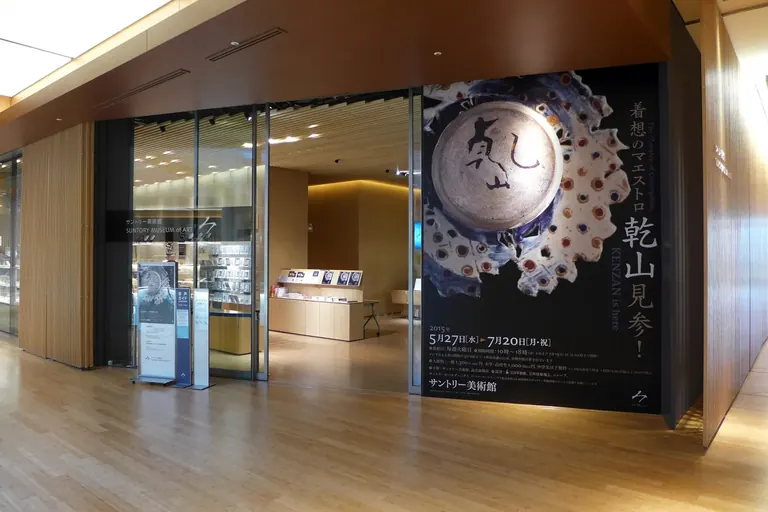
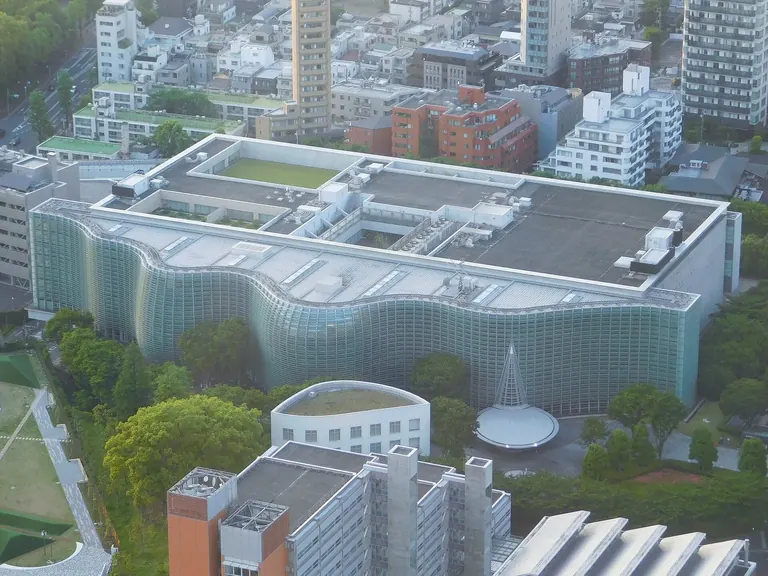

Image credits
8
- Masterpieces from the Itsuo Art Museum Collection: Buson, Go Shun, and the Art of TeaCourtesy of Suntory Museum of Art
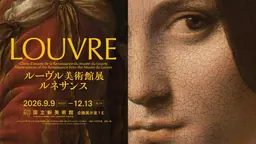
- Masterpieces of the Renaissance from the Musée du LouvreCourtesy of The National Art Center, Tokyo
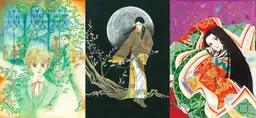
- Shojo Manga Infinity: Moto Hagio, Ryoko Yamagishi, and Waki Yamato(left) © Moto Hagio / Shogakukan (center) © Ryoko Yamagishi (right) © Waki Yamato / Kodansha
- 21_21 DESIGN SIGHTDaderot, CC0
- Suntory Museum of ArtWpcpey, CC BY-SA 4.0
- The National Art Center, TokyoAkonnchiroll / Wikimedia Commons, CC BY-SA 4.0
- Mori Art MuseumCharles Deluvio via Wikimedia Commons, CC0
- teamLab BorderlessSupanut Arunoprayote, CC BY 4.0