 i
Museum of the African Diaspora (MoAD)Yerba Buena / SoMa, San Francisco
After the Island: Ornament and Ceramic Practice in the Jamaican Diaspora
PJ Anderson, Jacqueline Bishop and Sharon Norwood explore how Jamaican identity is carried and remade through ornament and ceramics across the diaspora.
More in San Francisco
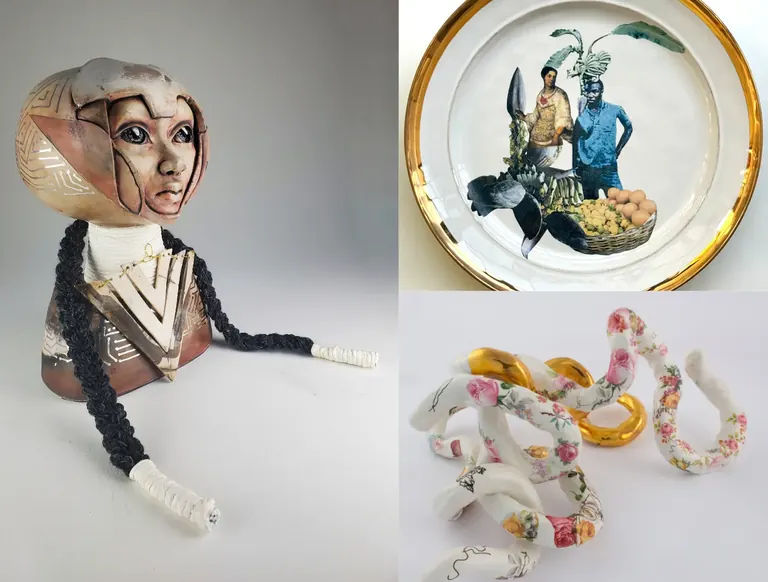
Bright bone china plates carry symbolic weight in Caribbean homes, and Jacqueline Bishop's point is that they hid the violent legacy of slavery and colonialism. So on her newly commissioned chargers, the Song of the Banana Man series among them, she collages the Jamaican banana worker and the market woman onto exactly that kind of surface.
Bishop shares Floor 3 with two other artists of Jamaican descent. Sharon Norwood draws her curly line, her mark for Afro-textured hair and the Black body, onto vintage china. PJ Anderson, from Manitoba, coils clay and weaves fiber into burnished, smoke-fired forms. You're looking at plates and vessels, and the museum's case is that every pattern on them is an archive. A sister show runs at Toronto's Gardiner Museum.
No reviews are out yet, so this is the museum's account. Admission is $15 ($7 seniors, students and educators; under-12s free), Thursdays run to 8pm, and the second Saturday of each month is free.
Look for
Bishop's Song of the Banana Man chargers
Look for the banana worker collaged in mixed media onto large decorated ceramic chargers, the kind of surface once used to leave him out.
Bishop's Way out of No Way
A newly commissioned charger that puts the Jamaican market woman at the centre of the decoration instead of its margins.
Norwood's curly line on vintage china
Look for her looping line, a reference to Afro-textured hair, drawn across old china patterns.
PJ Anderson's Password (2022)
Earthenware coiled together with paper, hemp cord, beads, wire, wool and chrome paint, so clay and fiber read as one form.
Good for
- Evening Visits
- Locals Who've Seen It All
- Nerding Out
With kids
Under-12s get in free, and admission is free for everyone on the second Saturday of each month.
Also at Museum of the African Diaspora (MoAD)
On now nearby


Nearby
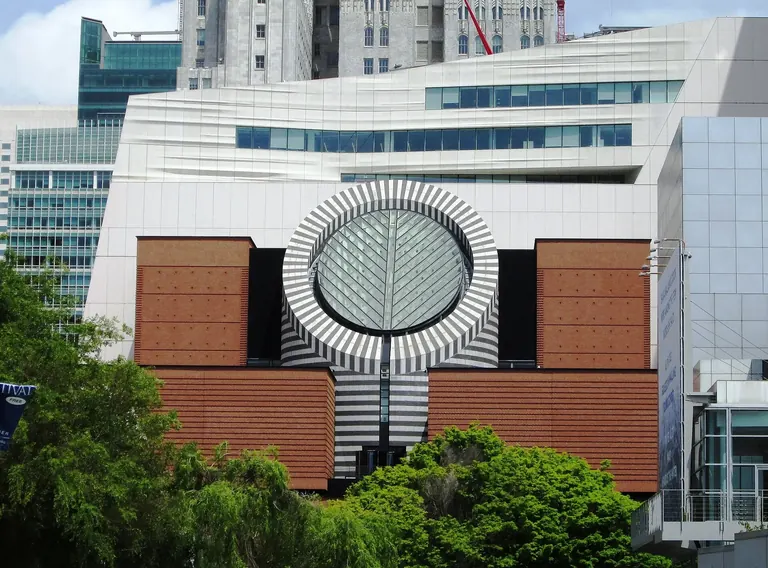
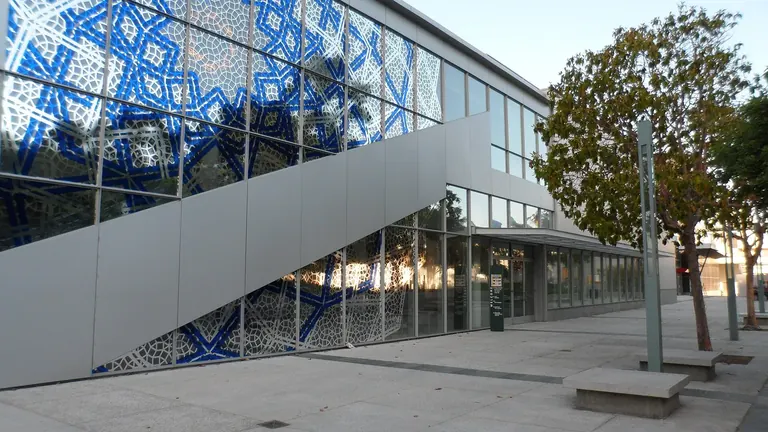
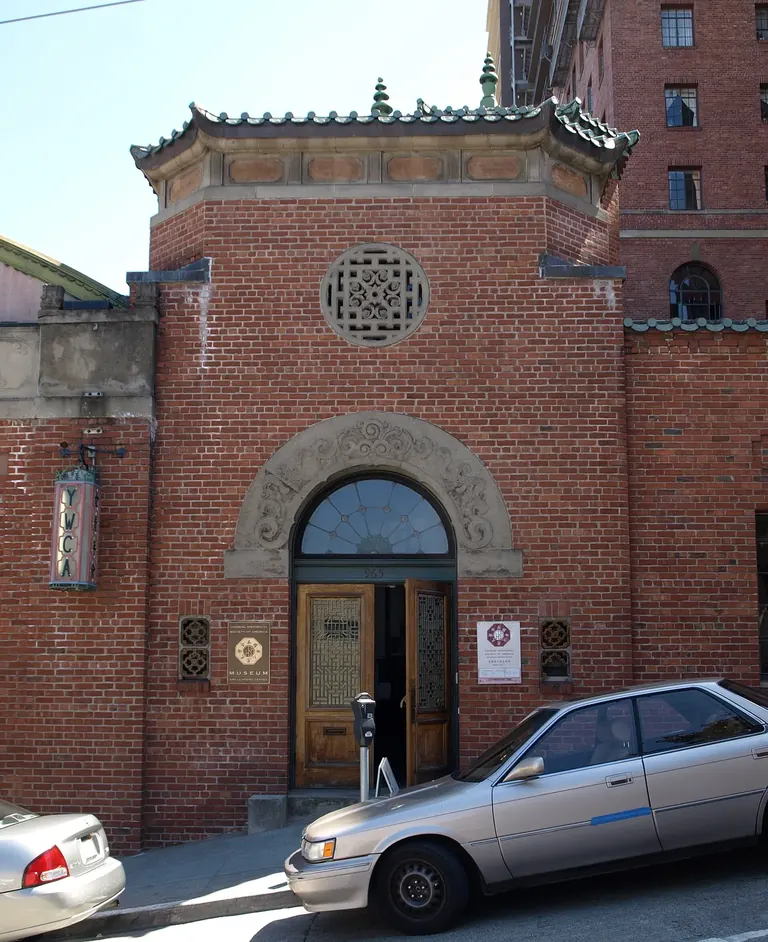
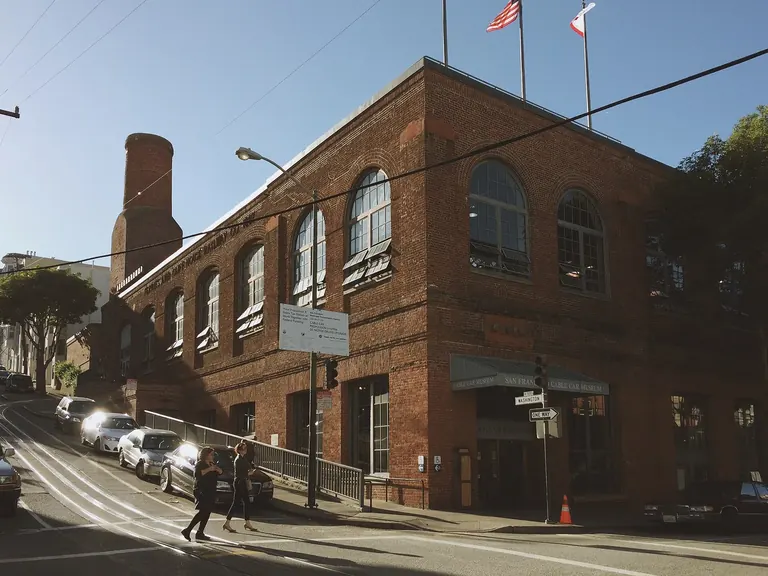
Image credits
9
- After the Island: Ornament and Ceramic Practice in the Jamaican DiasporaCourtesy Museum of the African Diaspora
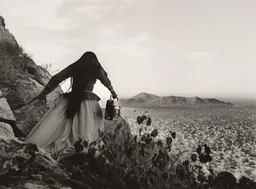
- Graciela Iturbide: Between Two WorldsSFMOMA
- Jennifer Steinkamp: It's a nice day for a white wedding.SFMOMA
- RM x SFMOMA: Between You and MeSFMOMA
- Museum of the African Diaspora (MoAD)Jllm06 / Wikimedia Commons, Public domain
- San Francisco Museum of Modern Art (SFMOMA)Beyond My Ken / Wikimedia Commons, CC BY-SA 4.0
- Yerba Buena Center for the Arts (YBCA)JCruzTheTruth / Wikimedia Commons, CC BY-SA 4.0
- Chinese Historical Society of America MuseumAnna Majkowska / Wikimedia Commons, CC BY 2.0
- San Francisco Cable Car MuseumJaredzimmerman (WMF) / Wikimedia Commons, CC BY-SA 4.0