 i
National Roman Museum - Palazzo MassimoEsquilino
Memorie sommerse. Roman Bronzes from the Ponte di Valentiniano
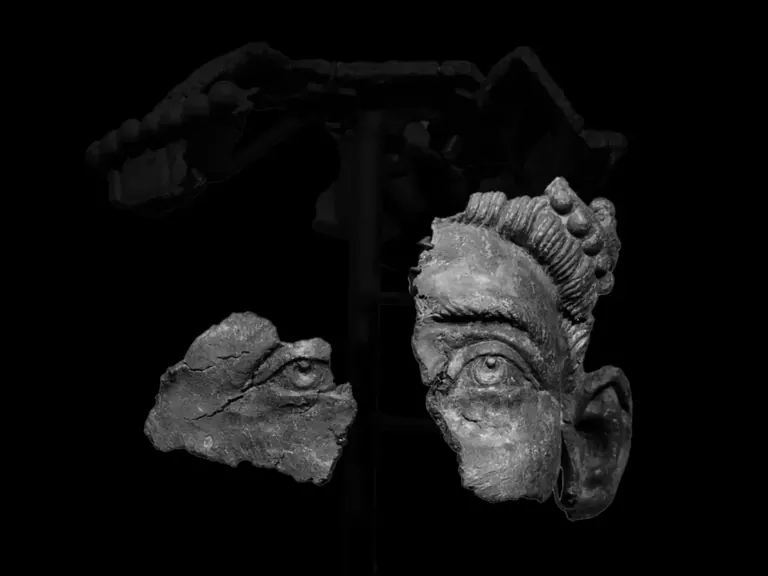
Three monumental Roman bronzes pulled from the Tiber in 1878, once decorating the ancient Ponte di Valentiniano: a diademed male head, a gilded toga-clad figure, and the wing of a winged Victory.
More in Rome
The inscription on this bridge was written for boats. Carved in travertine on the outside of the Pons Valentiniani, it was meant to be read by boatmen on the Tiber, and a video by Sapienza epigraphist Silvia Orlandi walks you through it and the marble dedication to the brothers Valentinian and Valens.
Built in the fourth century, the bridge fell to a Tiber flood in 729. Three of its bronzes surfaced from the riverbank in 1878 and spent over a century in the museum's stores: a diademed male head, a gilded statue of a man in a toga, and a Victory's right wing. Its replacement, Ponte Sisto, is the footbridge you cross for an aperitivo in Trastevere; the original came with gilded bronzes and signage for river traffic.
It's a small display, three fragments and a film, included in the €15 Palazzo Massimo ticket and extended to 31 December 2026. The travertine inscription is in Michelangelo's Cloister at the Baths of Diocletian, also covered by the ticket.
Look for
The diademed head
A bronze male head wearing a diadem, which Turismo Roma suggests may be Emperor Valentinian I himself.
The gilded man in a toga
A fragmentary statue of a toga-clad figure in gilded bronze, pulled from the Tiber's banks in 1878.
A Victory's right wing
All that is shown of a winged Victory is her right wing, one of the bronzes that once decorated the bridge.
The inscription video
Silvia Orlandi reads the bridge's two inscriptions with you, including the travertine one carved to be read from boats on the river.
Good for
- Locals Who've Seen It All
- Nerding Out
Also at National Roman Museum - Palazzo Massimo
On now nearby

Nearby
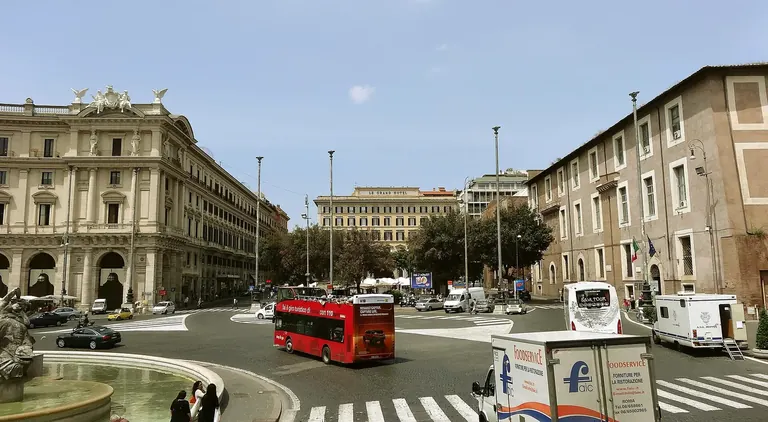
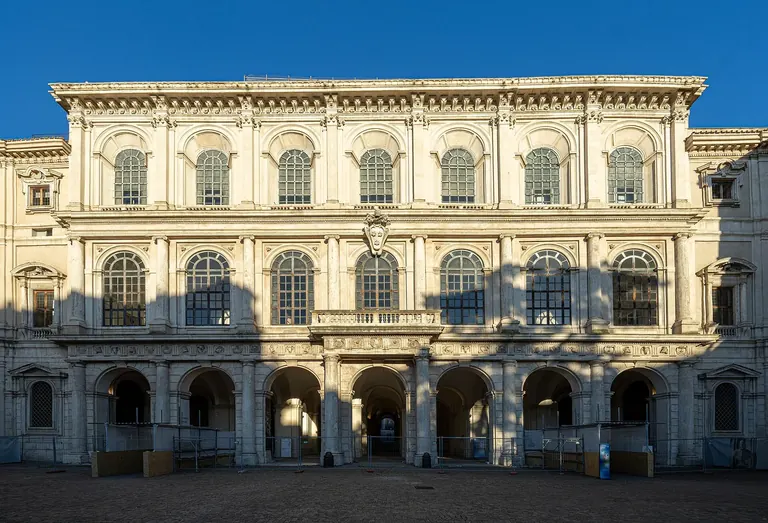
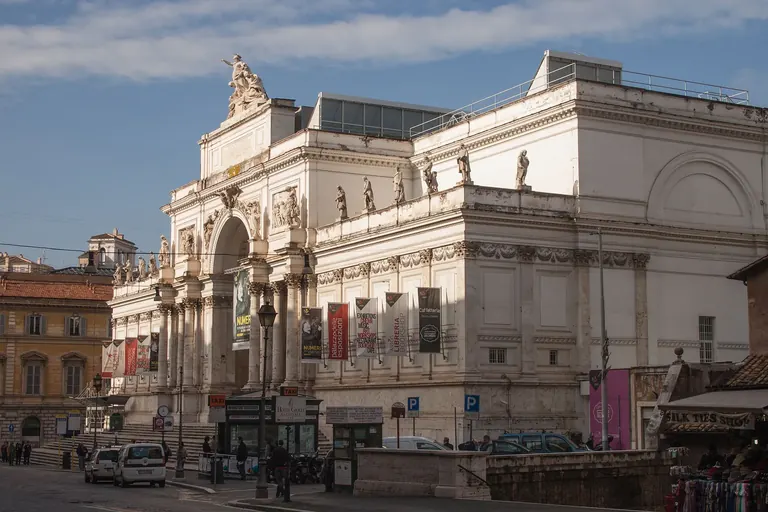
Image credits
8
- Memorie sommerse. Roman Bronzes from the Ponte di ValentinianoMuseo Nazionale Romano
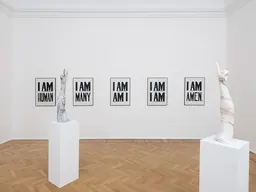
- Hank Willis Thomas & Man Ray: Tomorrow I shall contradict myselfPhoto: Giorgio Benni
- Contiamo l'Italia, contiamo per il futuroCourtesy of Palazzo delle Esposizioni
- Richard Avedon. In the American West. 1979-1984Courtesy of Palazzo delle Esposizioni
- National Roman Museum - Palazzo MassimoRicardalovesmonuments, Wikimedia Commons, CC BY-SA 4.0
- Galleria Continua Romarandreu, via Wikimedia Commons, CC BY 3.0
- Palazzo Barberini - Gallerie Nazionali di Arte AnticaPubblicUsername / Wikimedia Commons, CC BY 4.0
- Palazzo delle EsposizioniSzilas, via Wikimedia Commons, CC0