 i
National Roman Museum - Palazzo MassimoEsquilino
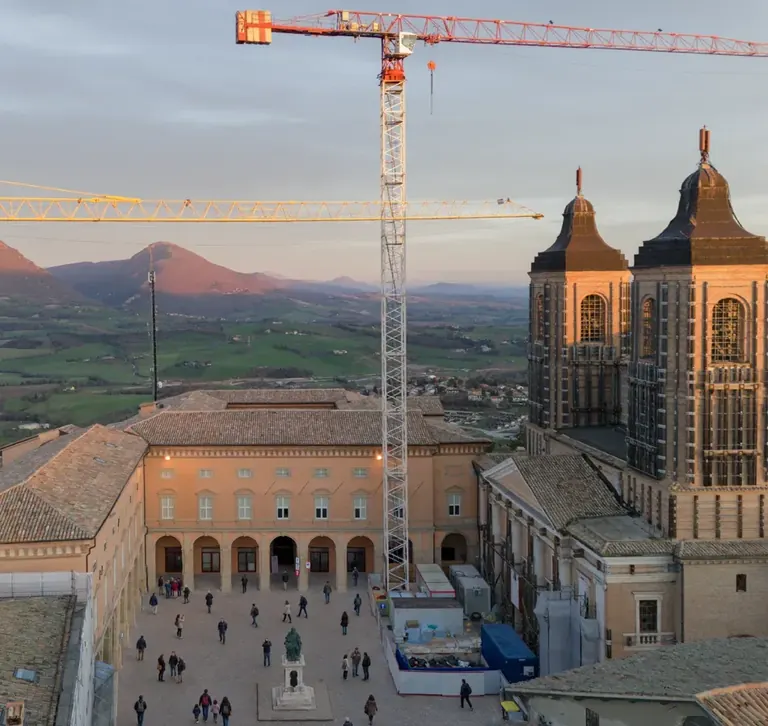
Cratere 2016-2026. Storie di comunità e ricostruzioni
Ten years after the 2016 central Italy earthquakes, oral history, anthropology and contemporary art tell how the Crater's communities are rebuilding. At the Baths of Diocletian.
More in Rome
Preview: written before the show opened
Twenty-four artists, six from each of the four regions the 2016 earthquakes struck: Abruzzo, Lazio, Marche and Umbria. Curator Gabriele Simongini picked them, some long dead and some still working, for the idea of memory and rebuilding, "between suffering and hope, darkness and light". The names he gave include Licini, Burri, Leoncillo, Ceroli, Spalletti and Bice Lazzari.
Around the art, you hear from the crater. Ministry ethnographers bring interviews, life stories, photographs and soundscapes from the Marche, archaeologists show everyday objects and testimonies gathered as an "archaeology of memory", and the Ministry's heritage-risk institute documents how damaged heritage was secured, restored and returned. The curators treat the rebuilding as still under way, not finished.
The government's reconstruction commission supplies data, maps and case studies, so part of the show is the state reporting on its own work. It fills Halls X, XI and XI bis at the Baths of Diocletian, open Tuesday to Sunday with last entry at 18:00, and the €15 National Roman Museum ticket covers it.
Look for
The archaeology of memory
Everyday objects collected in the earthquake zone, shown with the testimonies of the people they belonged to, gathered by the Ministry's archaeologists.
The Marche fieldwork
Interviews, life stories, photographs, soundscapes and maps recording how daily life and people's ties to their towns changed after the quake.
Rescued heritage
A record of how damaged works were secured, recovered, restored and returned to their places, made with local superintendencies, museums and restorers.
Good for
- Going Solo
- Nerding Out
Also at National Roman Museum - Palazzo Massimo
On now nearby
Nearby
Image credits
8
- Cratere 2016-2026. Storie di comunità e ricostruzioniCourtesy of National Roman Museum - Palazzo Massimo
- Hank Willis Thomas & Man Ray: Tomorrow I shall contradict myselfPhoto: Giorgio Benni
- Contiamo l'Italia, contiamo per il futuroCourtesy of Palazzo delle Esposizioni
- Richard Avedon. In the American West. 1979-1984Courtesy of Palazzo delle Esposizioni
- National Roman Museum - Palazzo MassimoRicardalovesmonuments, Wikimedia Commons, CC BY-SA 4.0
- Galleria Continua Romarandreu, via Wikimedia Commons, CC BY 3.0
- Palazzo Barberini - Gallerie Nazionali di Arte AnticaPubblicUsername / Wikimedia Commons, CC BY 4.0
- Palazzo delle EsposizioniSzilas, via Wikimedia Commons, CC0