 i
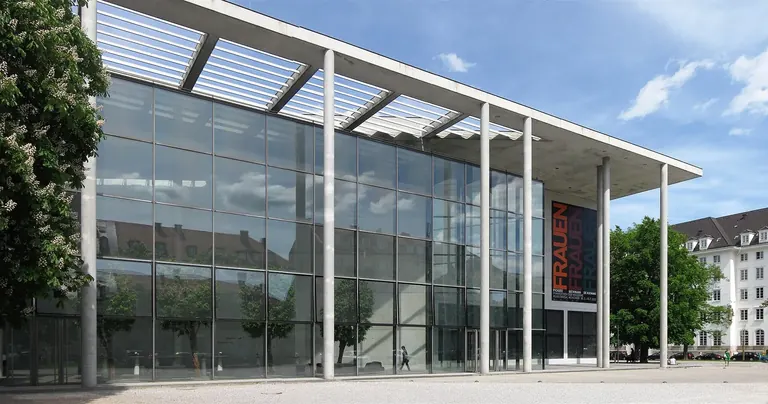
Pinakothek der ModerneKunstareal, Maxvorstadt
CONVIVIUM: Food Systems at the Limit
This exhibition has ended.
Architekturmuseum show on global food production, from high-tech greenhouses to industrial farming, and the environmental strain it puts on the planet.
Museum websiteMore in Munich
You walk in under a curved canopy made of supermarket plastic bags. Beyond it the walls are straw panels pressed without glue, the ceiling fabric has animal blood mixed in, and TUM students made the 1,700 clay bricks from six tonnes of earth and half a tonne of straw.
The Architekturmuseum der TUM fills these rooms with twelve case studies of how food is grown and moved: Dutch high-tech greenhouses, salmon farms that need 5.1 kilos of wild fish per kilo of salmon, Brazilian soy, Ukraine's grain silos. Film rooms alternate with object zones, and vegetable crates are the benches. Its "parable of Anthropocene agriculture" is a strawberry farm outside Altötting.
Roberta De Righi, writing in artline, warned that so many examples of ruthless exploitation can cost you your optimism. The museum puts the visit at about an hour. It is the standard ticket (€10, €7 reduced, €1 Sundays, free under 18), open until 8pm on Thursdays, and it closes on 18 October.
Editor's pick
The Architekturmuseum follows global food production from high-tech greenhouses to industrial farming, and the environmental strain it puts on the planet.
Look for
The Dutch greenhouse model
Look for the model of a Dutch high-tech greenhouse in a glass box, the show's centrepiece, where vegetables grow year-round in a precisely controlled climate.
Technominotaurus
Dániel Szalai's multimedia installation turns a Hungarian breeding bull into a hybrid creature, penned in and, as artline put it, condemned to permanent reproduction.
The sea of plastic near Almería
Neal Haddawa's photographs show the plastic-covered farmland of southern Spain, where over 100,000 migrant workers from West Africa and the Maghreb grow Europe's vegetables.
The glowing soil room
Step into a walk-in installation lit by glowing microorganisms, the show's picture of living soil as the ground for a better future.
Good for
- An Hour Or Less
- Evening Visits
- Nerding Out
About 60 min
Skip if
You want a hopeful food story: one critic said its examples of ruthless exploitation shake your confidence.
With kids
Under-18s get in free.
Also at Pinakothek der Moderne
On now nearby
Nearby
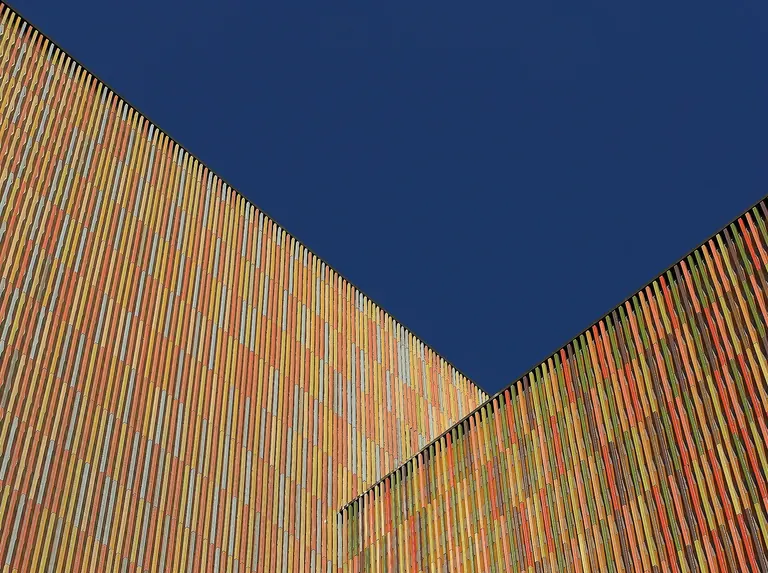
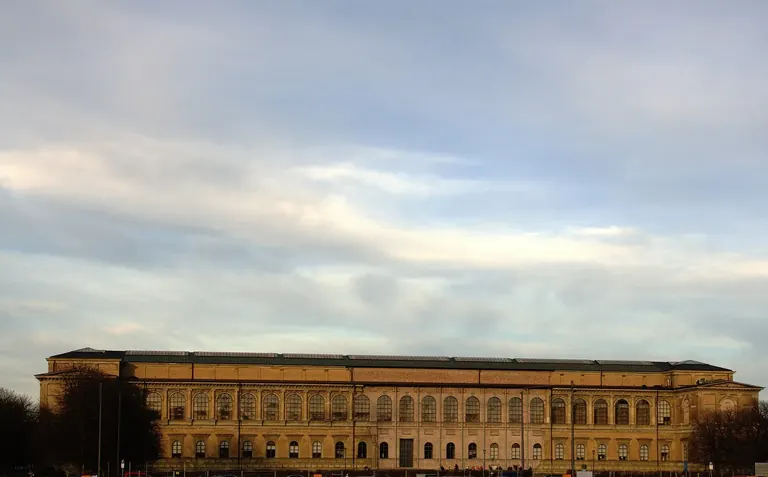
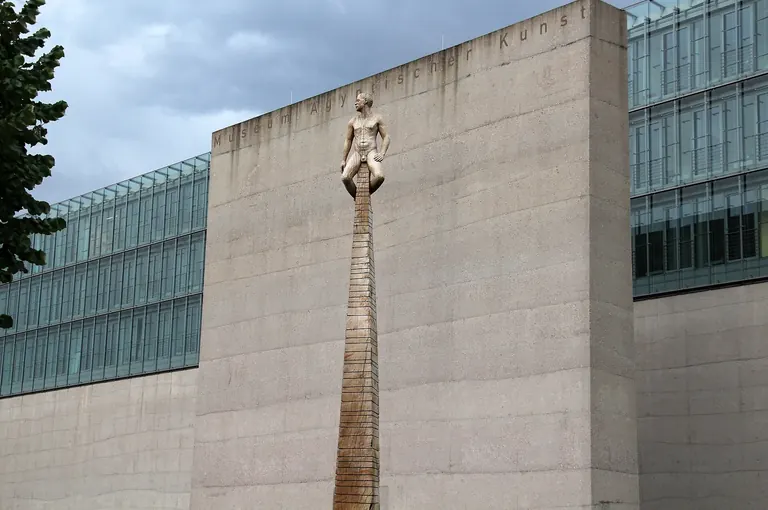
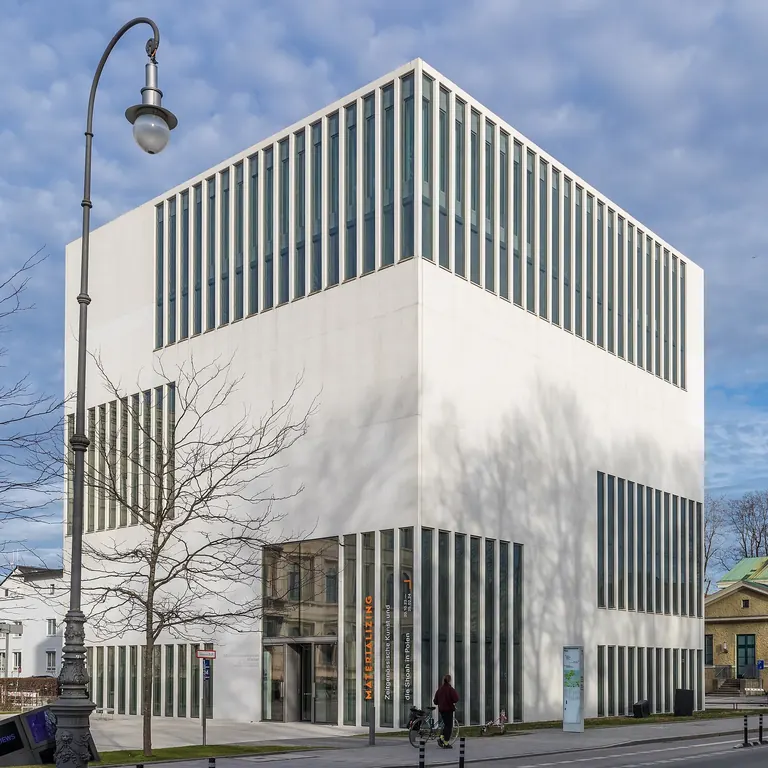
Image credits
5
- Pinakothek der ModerneRufus46, CC BY-SA 3.0
- Museum BrandhorstMartin Falbisoner, CC BY-SA 3.0
- Alte PinakothekChronox-A / Wikimedia Commons, CC BY-SA 4.0
- State Museum of Egyptian ArtFred Romero / Wikimedia Commons, CC BY 2.0
- Munich Documentation Centre for the History of National SocialismRaimond Spekking, CC BY-SA 4.0