 i
Pinakothek der ModerneKunstareal, Maxvorstadt
Klarenbeek & Dros: Design of the Unusual
Tenth Paternoster Hall show: the Dutch duo's 3D-printed mycelium and algae-based objects, pioneering biodegradable, climate-friendly design.
More in Munich
The room smells of algae, on purpose. The wall paint and the curtains in the Paternoster Hall are coloured with algae pigments that keep the scent, and strips of saccharina kelp hang up to dry the traditional way.
Eric Klarenbeek and Maartje Dros were the first designers anywhere to 3D-print mycelium, the thread-like root network of fungi. This is their first monographic show: more than 25 objects from the last ten years, including furniture made from mycelium, glass made from diatoms, bioplastic vessels and the Moss Chair (2025). An installation section covers their field trials outdoors and in the lab. When you need a break, you sit on a seat 3D-printed from bioplastic.
The museum warns that the mycelium, algae and moss give off their own odours, all harmless, and suggests about an hour. An audio tour made for the show explains how the duo work. Entry is the standard ticket (€10, €7 reduced, €1 on Sundays, free under 18), and Thursdays run until 8pm.
Look for
The drying kelp
Look for strips of saccharina algae hung up to dry the traditional way, in a hall whose wall paint and curtains are dyed with algae pigment.
The 3D-printed bioplastic seats
Sit down on seats printed from bioplastic, placed in the show so you can stay a while.
The salt and algae cream
Look for a cream made from salt and algae, shown with its own packaging, the show's everyday example of what algae can be used for.
Good for
- An Hour Or Less
- Evening Visits
- Nerding Out
About 60 min
Skip if
You're sensitive to smells: the mycelium, algae and moss on show give off their own odours.
With kids
Under-18s get in free.
Also at Pinakothek der Moderne
On now nearby
Nearby
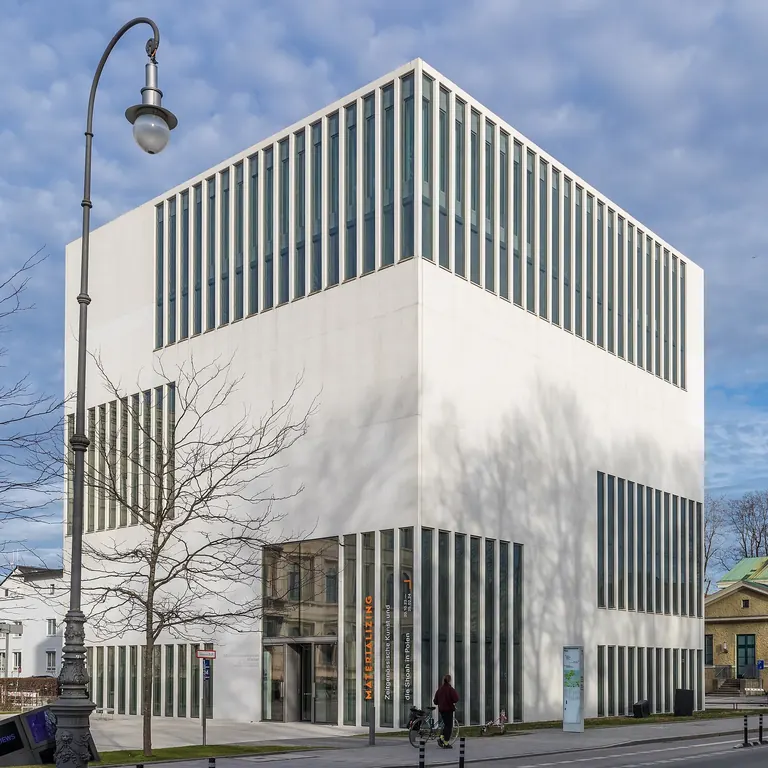
Image credits
6
- Klarenbeek & Dros: Design of the UnusualPhoto: Klarenbeek & Dros
- Pinakothek der ModerneRufus46, CC BY-SA 3.0
- Museum BrandhorstMartin Falbisoner, CC BY-SA 3.0
- Alte PinakothekChronox-A / Wikimedia Commons, CC BY-SA 4.0
- State Museum of Egyptian ArtFred Romero / Wikimedia Commons, CC BY 2.0
- Munich Documentation Centre for the History of National SocialismRaimond Spekking, CC BY-SA 4.0