 i
Sen-oku Hakuko KanShishigatani
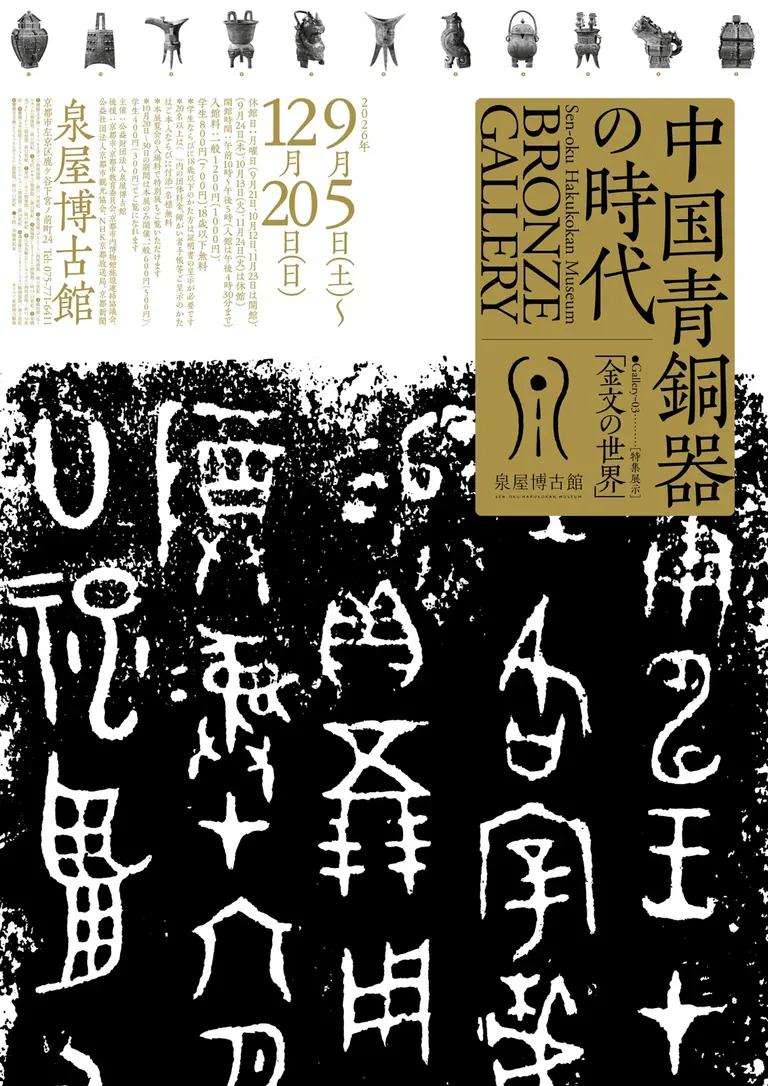
Bronze Gallery: Feature Exhibition "The World of Bronze Inscriptions"
Shang and Zhou bronzes cast with ancient Chinese inscriptions (jinwen), the earliest forms of today's characters, read as calligraphy and as historical record.
More in Kyoto
A tiger rears up on its hind legs and clutches a person to its chest, as if about to swallow them whole. The museum counts this 11th-century BCE wine vessel among the finest Chinese bronzes, and it leads off Gallery 3, a room of sixteen pieces built around the writing cast into bronze.
That writing is jinwen, the inscriptions of the Shang and Zhou, and early forms of the kanji used today. On the Lu Gui and the Jing You the text sits inside the lid. If your phone writes most of your kanji for you, here are some of their oldest forms, in bronze.
The museum pitches it at anyone curious about calligraphy and ancient scripts. Admission is 1,200 yen (students 800 yen) and covers the special exhibition and the other three bronze rooms; under-18s are free and tickets aren't timed. From 20 to 30 October only the Bronze Gallery opens, for 600 yen. A curator gallery talk on 5 December at 14:00 takes 20 people, booked online.
Look for
The Tiger You
Look for the tiger standing on its hind legs, hugging a person as if to swallow them whole, a 35.7 cm wine vessel from the 11th century BCE.
Writing inside the lids
On the Lu Gui, a 10th-century BCE grain server, and the Jing You wine vessel, the inscription is cast on the underside of the lid.
Five inscribed bells
Gallery 3 lines up five bronze bells with inscriptions, from the Western Zhou in the 10th century BCE to the Warring States in the 5th.
The owl vessel next door
In Gallery 1, the Chixiao Zun is an owl whose head is the lid, with a taotie monster on its chest and coiled dragons on its wings.
Good for
- Cheap Culture
- Locals Who've Seen It All
- Nerding Out
With kids
Under-18s get in free (bring ID). Gallery 2, on the same ticket, has videos showing how the vessels were used.
Also at Sen-oku Hakuko Kan
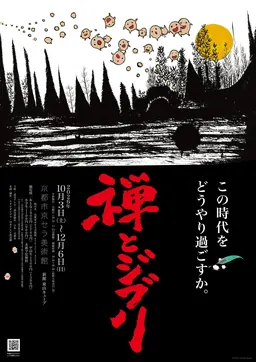
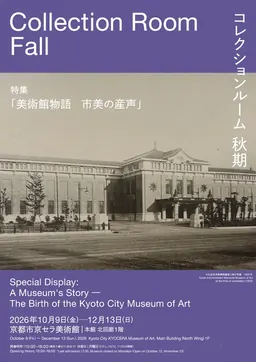
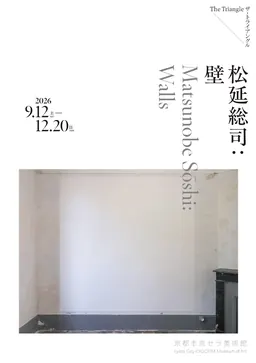
On now nearby
Nearby
Image credits
9
- Bronze Gallery: Feature Exhibition "The World of Bronze Inscriptions"Courtesy of Sen-oku Hakuko Kan
- Zen and GhibliCourtesy of Kyoto City KYOCERA Museum of Art
- [2026 Fall] Collection Room – Special Display: A Museum's Story — The Birth of the Kyoto City Museum of ArtCourtesy of Kyoto City KYOCERA Museum of Art
- Matsunobe Soshi: WallsPhoto: Kohei Omachi
- Sen-oku Hakuko KanPlusMinus / Wikimedia Commons, CC BY-SA 3.0
- Kyoto City KYOCERA Museum of ArtKakidai / Wikimedia Commons, CC BY-SA 4.0
- The National Museum of Modern Art, Kyoto (MoMAK)Wiiii / Wikimedia Commons, CC BY-SA 3.0
- Kyoto Museum of Crafts and DesignAsturio Cantabrio / Wikimedia Commons, CC BY-SA 4.0
- Hosomi MuseumAsturio Cantabrio / Wikimedia Commons, CC BY-SA 4.0