 i
The Kyoto University MuseumYoshida
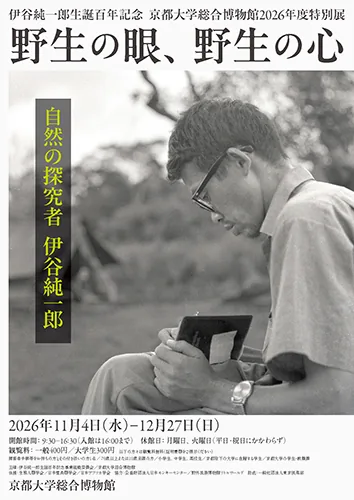
Wild Eyes, Wild Heart: Junichiro Itani, Explorer of Nature
Centenary tribute to primatologist and anthropologist Junichiro Itani: field notebooks, manuscripts, photos and objects from African hunter-gatherers and herders.
More in Kyoto
Preview: written before the show opened
Junichiro Itani's rule was that fieldwork goes best when you travel light: a notebook, a pencil and binoculars. You could fit his whole kit in a coat pocket. With it he walked thousands of kilometres through Africa's miombo woodland and filled more than 400 field notebooks, and some are on show here for his centenary.
Six chapters follow him from the birth of Japanese primatology and the chase after gorillas and chimpanzees to ecological anthropology and life among herding peoples. Alongside the notebooks are his manuscripts, photographs, insect specimens and objects he collected from African hunter-gatherers, slash-and-burn farmers and herders. In 1984 he gave the Huxley Memorial Lecture in London, an honour Claude Lévi-Strauss had received before him.
It's in the North Wing's second-floor gallery, on the normal museum ticket: ¥400, ¥300 for university students, free under 18 and over 70. Open Wednesday to Sunday, 9:30 to 16:30. On 7, 14 and 21 November specialists give free 13:30 talks upstairs (museum ticket needed, 70 seats, no booking).
Editor's pick
Junichiro Itani's field kit was a notebook, a pencil and binoculars. The binoculars are here, with notebooks from the 400-plus he filled watching primates and people across Africa, and objects he collected from hunter-gatherers and herders.
Look for
The field notebooks
Look for the handwritten notebooks, a selection from the 400-plus he filled while walking and watching primates and people in Japan and Africa.
Itani's binoculars
The pair he carried across the miombo woodland, one third of the notebook-pencil-binoculars kit he swore by.
Objects from African hunter-gatherers, farmers and herders
Everyday material culture Itani collected himself from the hunter-gatherers, slash-and-burn farmers and herders he lived among.
His field sketches
Drawings Itani made by hand in the field, shown with his manuscripts and photographs.
Good for
- Cheap Culture
- Locals Who've Seen It All
- Nerding Out
With kids
Free for under-18s and for primary, middle and high school students. The Saturday talks in November are pitched at high school and university students.
Also at The Kyoto University Museum
On now nearby
Nearby

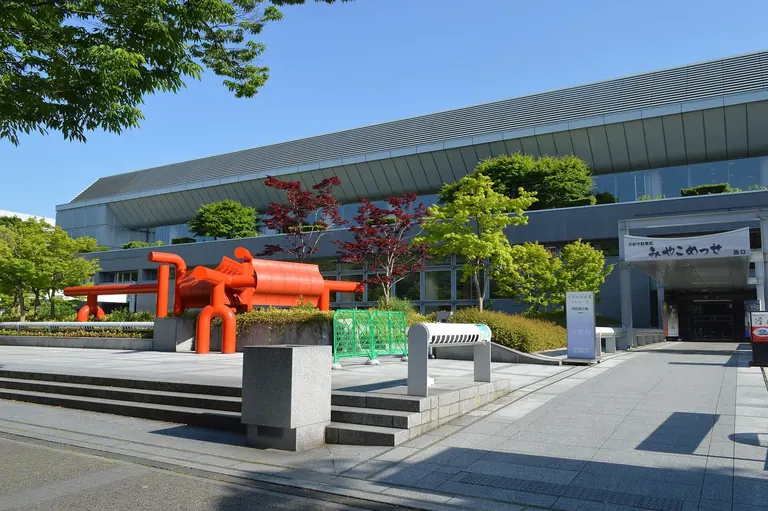
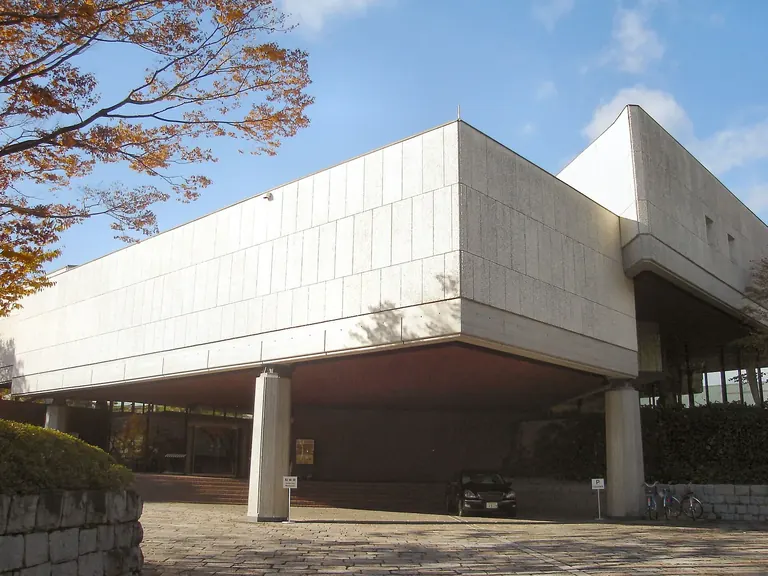
Image credits
8
- Wild Eyes, Wild Heart: Junichiro Itani, Explorer of NatureCourtesy of The Kyoto University Museum
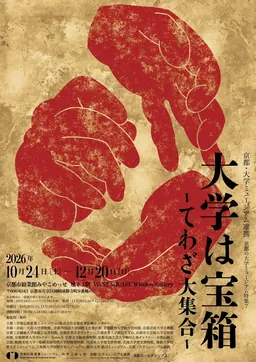
- Kyoto University Museums Feature 7: The University Is a Treasure Box, Handcraft GatheringCourtesy of Kyoto Museum of Crafts and Design
- Tradition Meets Today #7Courtesy of Kyoto Museum of Crafts and Design
- The Kyoto University MuseumJ o / Wikimedia Commons, CC BY-SA 3.0
- Hosomi MuseumAsturio Cantabrio / Wikimedia Commons, CC BY-SA 4.0
- Kyoto Museum of Crafts and DesignAsturio Cantabrio / Wikimedia Commons, CC BY-SA 4.0
- Sen-oku Hakuko KanPlusMinus / Wikimedia Commons, CC BY-SA 3.0
- Kyoto City KYOCERA Museum of ArtKakidai / Wikimedia Commons, CC BY-SA 4.0