 i
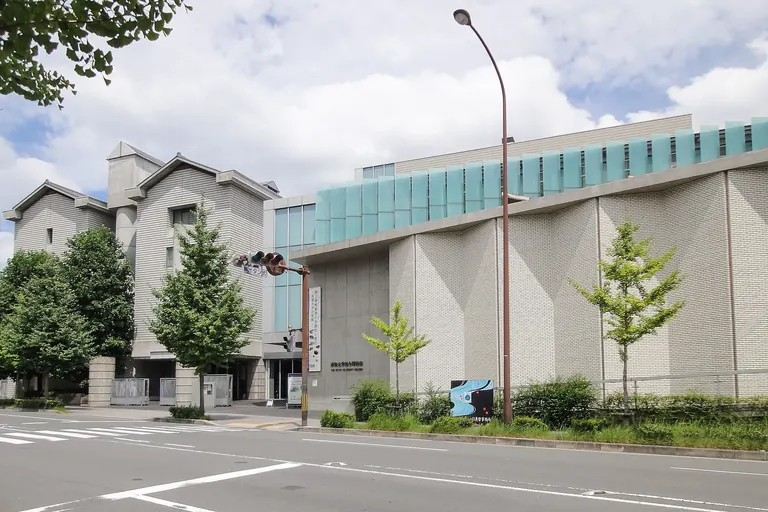
The Kyoto University Museum
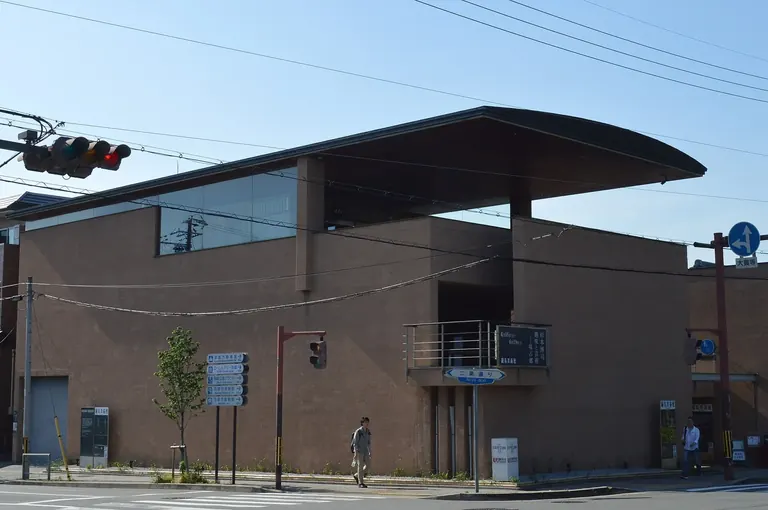
One of Japan's largest university museums, opened in 2001 on Kyoto University's Yoshida campus. Its permanent galleries cover natural history (minerals, fossils such as Naumann's elephant, a walk-through Bornean rainforest), cultural history (archaeology, historical documents and Edo-period Kyoto maps) and the history of technology (teaching instruments and mechanical models). Rotating special exhibitions draw on the university's research, from medieval diaries to chemistry and primatology.
More in Kyoto
What's On
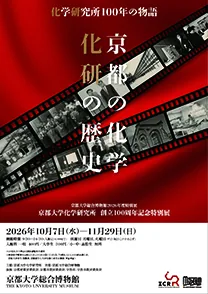
Chemistry in Kyoto: A History of the Institute for Chemical Research
Centenary show for Kyoto University's Institute for Chemical Research: synthetic oil, chemical heritage objects, industry spin-offs and today's research.
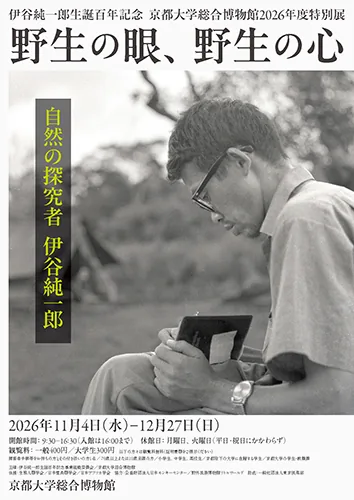
Wild Eyes, Wild Heart: Junichiro Itani, Explorer of Nature
Centenary tribute to primatologist and anthropologist Junichiro Itani: field notebooks, manuscripts, photos and objects from African hunter-gatherers and herders.
Permanent Collections
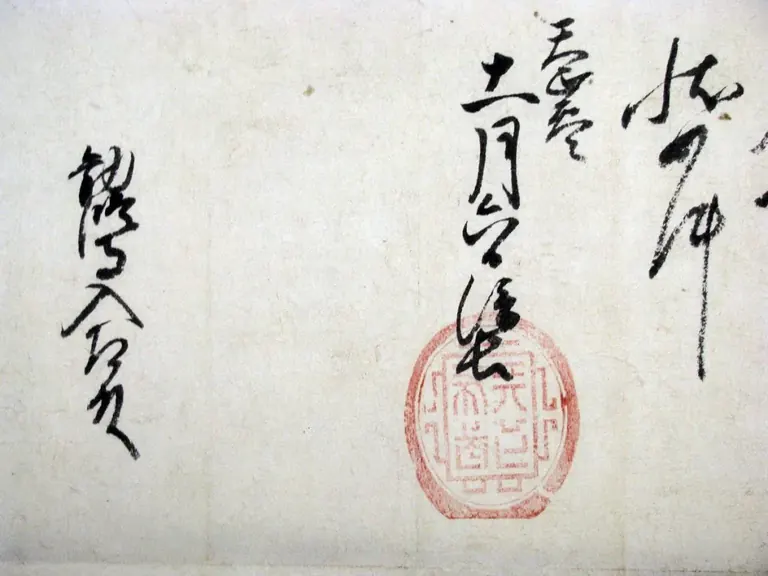
Cultural History Galleries
Ancient Japanese and East Asian archaeology, stone coffins, Edo-period maps of Kyoto, and letters from warlords Oda Nobunaga and Date Masamune.
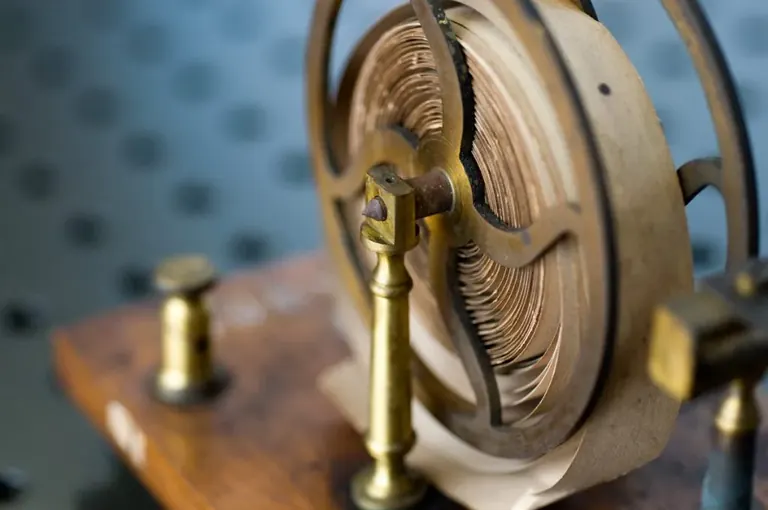
Technological History Gallery
Physics teaching instruments and mechanical models from the Third Higher School and early Kyoto University, from Morse telegraphs to gear mechanisms.
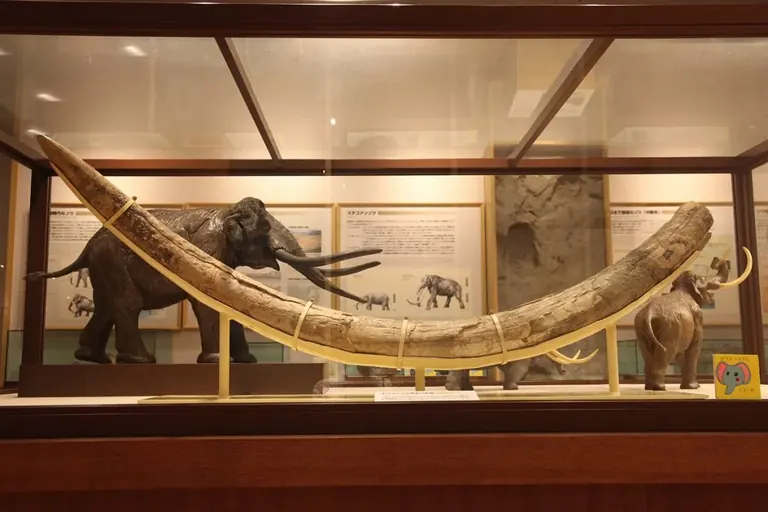
Natural History Galleries
Minerals, meteorites and fossils including Naumann's elephant tusks, primatology, insects, and a two-storey recreation of Borneo's Lambir Hills rainforest.
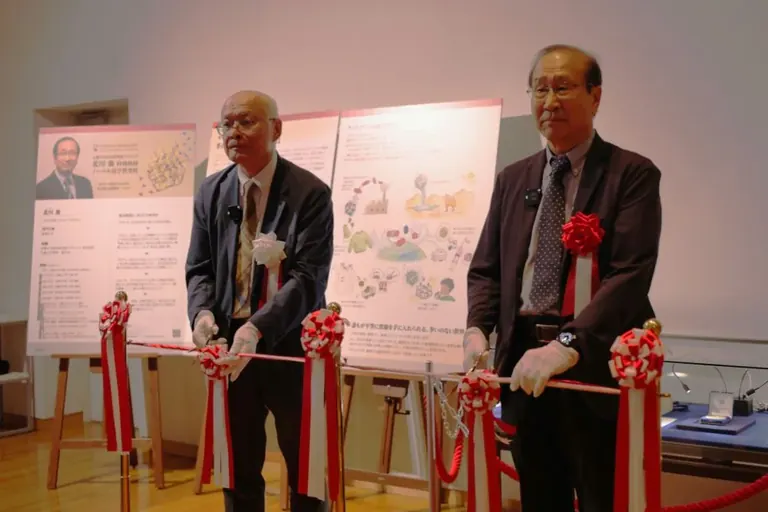
Susumu Kitagawa Nobel Prize in Chemistry Special Display
Display on Distinguished Professor Susumu Kitagawa's metal-organic frameworks (MOFs), with research samples and a replica of his Nobel Prize medal.
Plan Your Visit
Getting there
Yoshida Honmachi, Sakyo-ku, Kyoto 606-8501, Japan
Nearest station: Hyakumanben (Kyoto City Bus), 2 min walk and Demachiyanagi (Keihan Line / Eizan Railway), 15 min walk
Show on mapHours
| Mon | Closed |
| Tue | Closed |
| Wed | 09:30–16:30 |
| ThuToday | 09:30–16:30 |
| Fri | 09:30–16:30 |
| Sat | 09:30–16:30 |
| Sun | 09:30–16:30 |
Admission
From ¥400
University students ¥300; groups of 20+ ¥300 / ¥200. Free for under-18s, over-70s, school students, students at Kyoto Prefecture universities, and visitors with disabilities plus one companion. Cash only.
Last verified
Nearby
Visitor Information
- How much does The Kyoto University Museum cost?
- Standard adult admission to The Kyoto University Museum is ¥400. University students ¥300; groups of 20+ ¥300 / ¥200. Free for under-18s, over-70s, school students, students at Kyoto Prefecture universities, and visitors with disabilities plus one companion. Cash only.. Prices for special exhibitions and timed-entry slots may differ.
- What are the opening hours of The Kyoto University Museum?
- The Kyoto University Museum is open Wed–Sun 9:30–16:30 (last entry 16:00). Closed Mondays and Tuesdays, including national holidays. Also closed 28 Dec–4 Jan, 18 June (university foundation day) and the Wednesday of the third week of August.. Holiday hours can vary, so check the museum's website before you go.
- Where is The Kyoto University Museum?
- The Kyoto University Museum is located at Yoshida Honmachi, Sakyo-ku, Kyoto 606-8501, Japan, in the Yoshida area of Kyoto. The nearest stations are Hyakumanben (Kyoto City Bus), 2 min walk and Demachiyanagi (Keihan Line / Eizan Railway), 15 min walk.
- What can I see at The Kyoto University Museum?
- Fossils, minerals, samurai letters and old lab machines from 2.6 million objects gathered by Kyoto University since 1897. Current highlights include Chemistry in Kyoto: A History of the Institute for Chemical Research, Cultural History Galleries and Technological History Gallery.
- Do I need to book The Kyoto University Museum in advance?
- Booking ahead is recommended, especially for weekends, school holidays, and special exhibitions. Tickets are normally on the museum's website, and a pre-booked timed slot helps you avoid queues at the entrance.
- When is the best time to visit The Kyoto University Museum?
- Weekday mornings shortly after opening are typically the quietest, especially mid-week. Late afternoons can also be calmer. Weekends, school holidays, and the lunch rush are the busiest periods.
Image credits
11
- The Kyoto University MuseumJ o / Wikimedia Commons, CC BY-SA 3.0
- Chemistry in Kyoto: A History of the Institute for Chemical ResearchCourtesy of The Kyoto University Museum
- Cultural History GalleriesCourtesy of The Kyoto University Museum
- Technological History GalleryCourtesy of The Kyoto University Museum
- Natural History GalleriesCourtesy of The Kyoto University Museum
- Susumu Kitagawa Nobel Prize in Chemistry Special DisplayCourtesy of The Kyoto University Museum
- Wild Eyes, Wild Heart: Junichiro Itani, Explorer of NatureCourtesy of The Kyoto University Museum
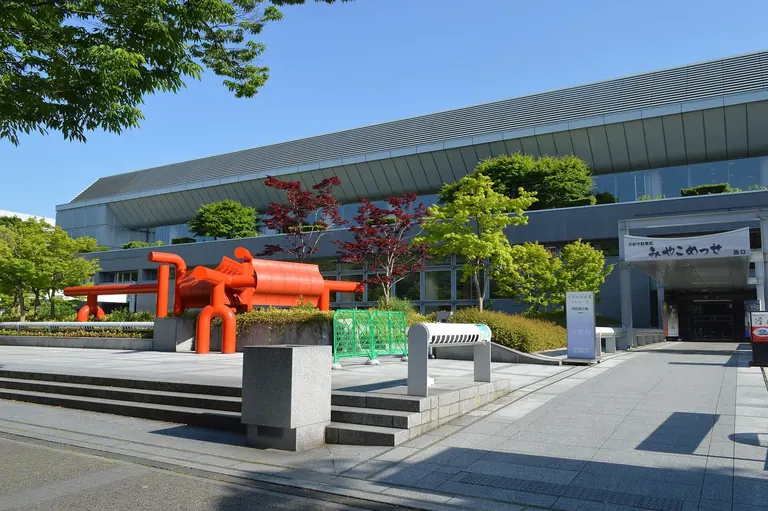
- Hosomi MuseumAsturio Cantabrio / Wikimedia Commons, CC BY-SA 4.0
- Kyoto Museum of Crafts and DesignAsturio Cantabrio / Wikimedia Commons, CC BY-SA 4.0
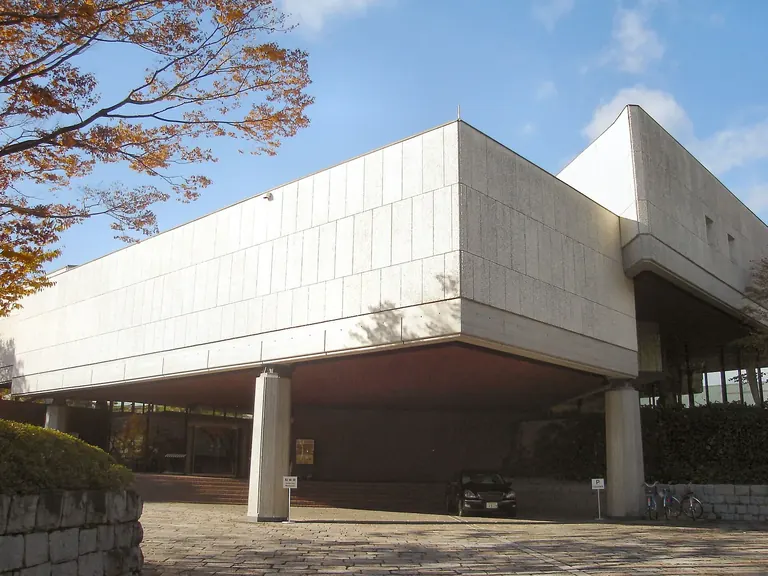
- Sen-oku Hakuko KanPlusMinus / Wikimedia Commons, CC BY-SA 3.0
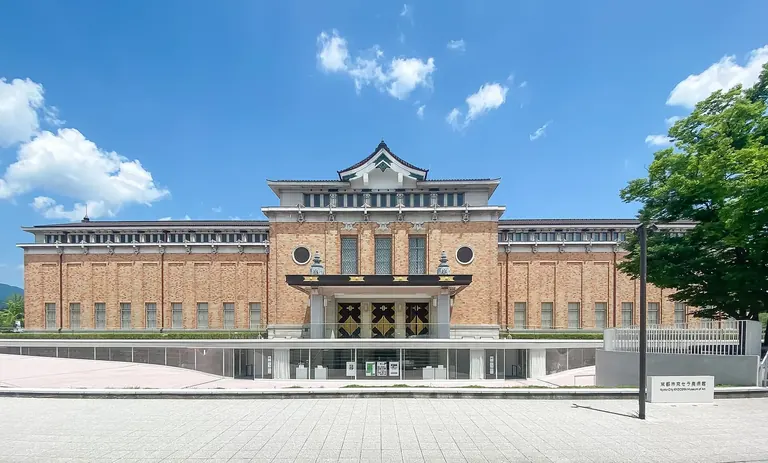
- Kyoto City KYOCERA Museum of ArtKakidai / Wikimedia Commons, CC BY-SA 4.0