 i
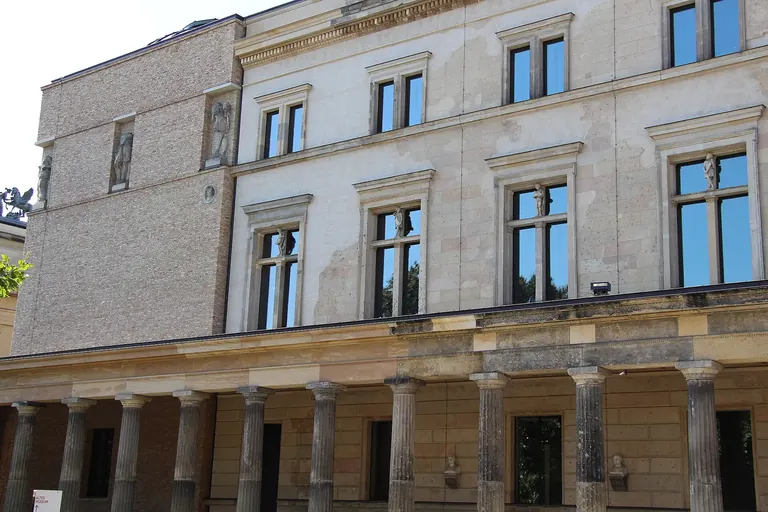
Neues Museum
Built 1843–1855 by Friedrich August Stüler, the Neues Museum was left a ruin after the Second World War and reopened in 2009 after David Chipperfield's restoration, which keeps the scars of its history visible. It houses the Egyptian Museum and Papyrus Collection, including the bust of Queen Nefertiti, and the Museum of Prehistory and Early History, with highlights such as the Berlin Gold Hat and Schliemann's Trojan antiquities. It is part of the Museum Island UNESCO World Heritage Site.
More in Berlin
What's On
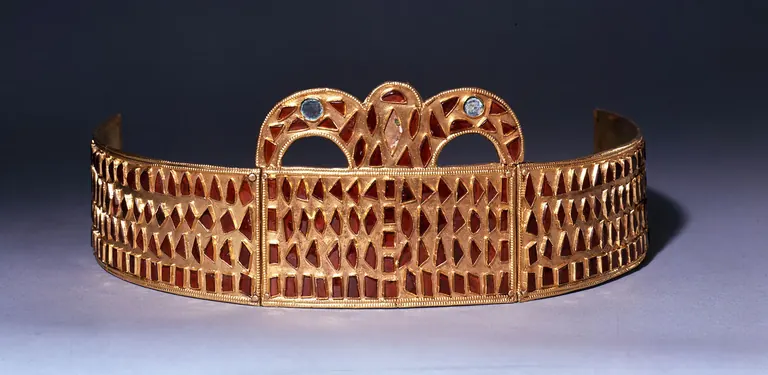
The Crown of Kerch: Treasures from the Dawn of European History
Migration-period gold and garnet jewellery from the Diergardt collection, on loan from Cologne, led by a noblewoman's diadem from Crimea.
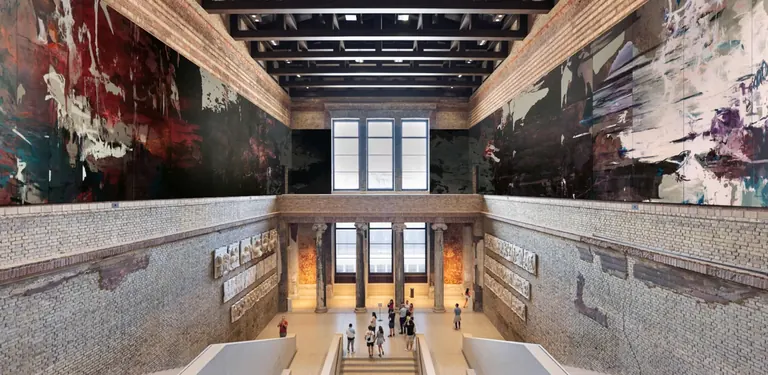
Dioscuri – The Given Day
Artist Michael Müller reworks the myth of the twins Castor and Polydeuces in the staircase hall, a meditation on time and mortality.
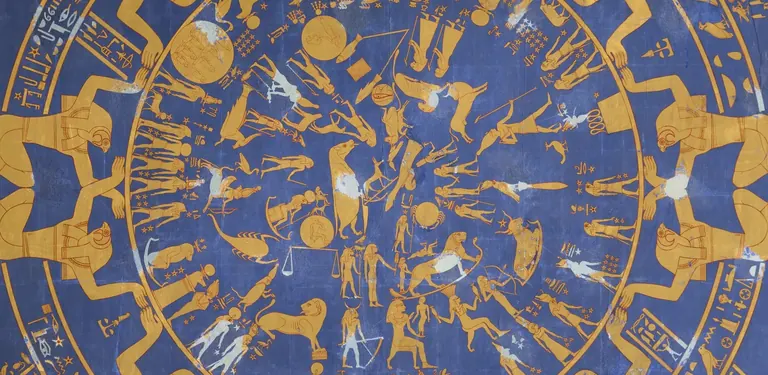
Destiny in the Stars: The Beginnings of the Zodiac
The history of the zodiac from Babylonia to Egypt and the Greco-Roman world, from star tablets to celestial ceilings.
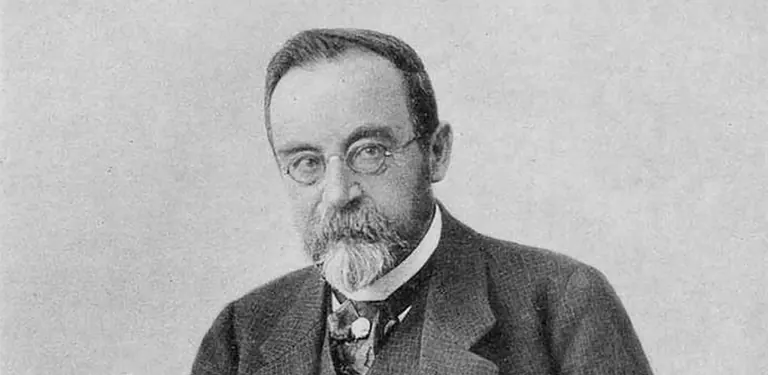
100 Years of the Dictionary of the Egyptian Language
In the Mythological Hall, a centenary show on the Egyptian Dictionary, begun in this building in 1897 from over a million hand-copied index cards.
Permanent Collections
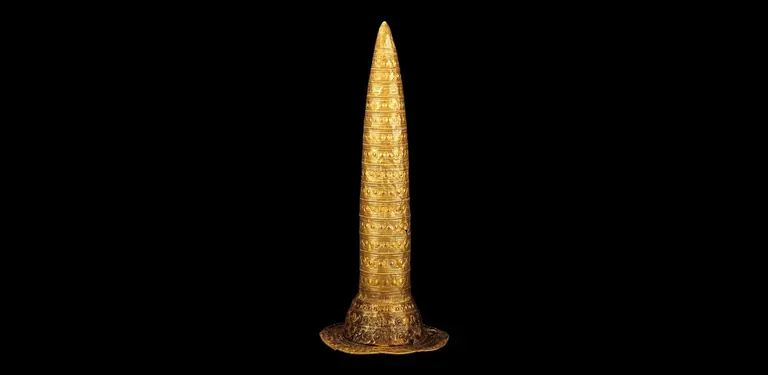
Prehistory and Early History
Schliemann's Trojan antiquities, the Xanten Boy and the Berlin Gold Hat, a Bronze Age lunisolar calendar in gold.
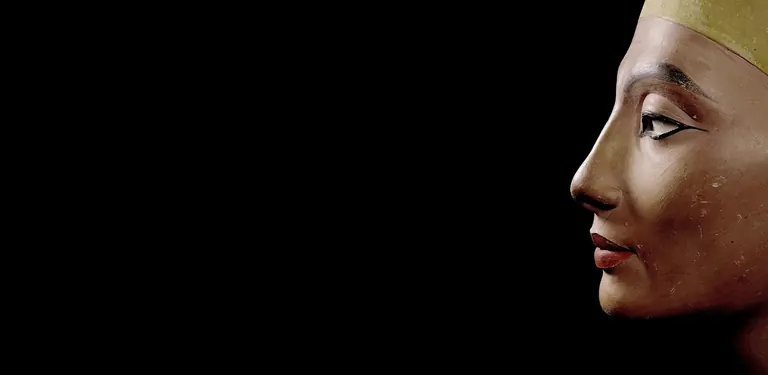
Ancient Egypt
Over 2,500 objects across three floors of the north wing, from Old Kingdom offering chambers to the bust of Nefertiti.
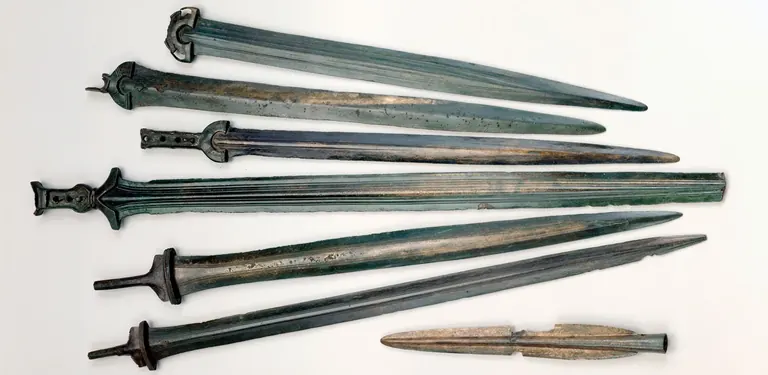
Stone Age, Bronze Age, Iron Age
The top floor walks through Europe's oldest eras, with the Le Moustier Neanderthal and Bronze Age weapons.
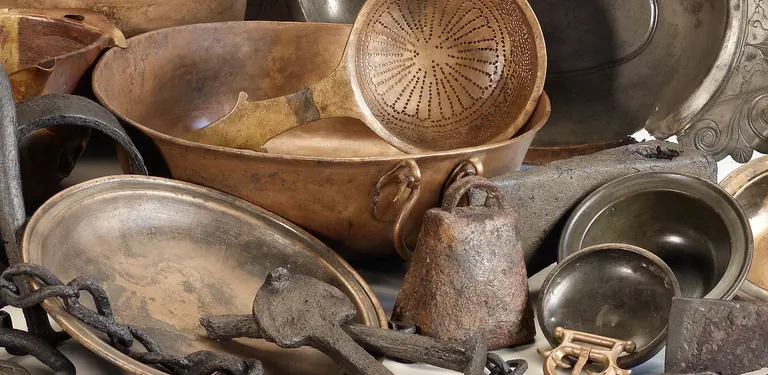
Treasures from the Rhine: The Barbarian Treasure of Neupotz
Roman household goods looted in the 3rd century AD and lost in the Rhine, shown beside the bronze Xanten Boy in the Bacchus Hall.
Plan Your Visit
Getting there
Bodestraße, 10178 Berlin (visitor entrance via the James-Simon-Galerie)
Nearest station: U Museumsinsel (U5), S Hackescher Markt and S+U Friedrichstraße
Show on mapHours
| Mon | Closed |
| Tue | 10:00–18:00 |
| Wed | 10:00–18:00 |
| Thu | 10:00–18:00 |
| Fri | 10:00–18:00 |
| SatToday | 10:00–18:00 |
| Sun | 10:00–18:00 |
Admission
From €14
Last verified
Nearby

Visitor Information
- How much does Neues Museum cost?
- Standard adult admission to Neues Museum is €14. Prices for special exhibitions and timed-entry slots may differ.
- What are the opening hours of Neues Museum?
- Neues Museum is open Tue–Sun 10:00–18:00, closed Mondays. Public holidays generally as Sundays; closed 24 and 31 December 2026; 1 January 2027 opens at noon. Closed 15–17 March 2027 for maintenance. Adults €14 (concessions €7), free under 18.. Holiday hours can vary, so check the museum's website before you go.
- Where is Neues Museum?
- Neues Museum is located at Bodestraße, 10178 Berlin (visitor entrance via the James-Simon-Galerie), in the Mitte area of Berlin. The nearest stations are U Museumsinsel (U5), S Hackescher Markt and S+U Friedrichstraße.
- What can I see at Neues Museum?
- Nefertiti's home: Egyptian treasures and prehistoric gold in Stüler's war-scarred museum, rebuilt by David Chipperfield. Current highlights include Destiny in the Stars: The Beginnings of the Zodiac, Prehistory and Early History and Ancient Egypt.
- Do I need to book Neues Museum in advance?
- Booking ahead is recommended, especially for weekends, school holidays, and special exhibitions. Tickets are normally on the museum's website, and a pre-booked timed slot helps you avoid queues at the entrance.
- When is the best time to visit Neues Museum?
- Weekday mornings shortly after opening are typically the quietest, especially mid-week. Late afternoons can also be calmer. Weekends, school holidays, and the lunch rush are the busiest periods.
Image credits
13
- Neues MuseumFred Romero / Wikimedia Commons, CC BY 2.0
- Destiny in the Stars: The Beginnings of the Zodiac© Staatliche Museen zu Berlin, Ägyptisches Museum und Papyrussammlung, Foto: Sandra Steiß
- Prehistory and Early History© Staatliche Museen zu Berlin, Museum für Vor- und Frühgeschichte / Claudia Plamp
- Ancient EgyptCourtesy of Neues Museum
- 100 Years of the Dictionary of the Egyptian Language© Ägyptisches Wörterbuch
- Stone Age, Bronze Age, Iron Age© Staatliche Museen zu Berlin, Museum für Vor- und Frühgeschichte / Klaus Göken
- Dioscuri – The Given Day© Staatliche Museen zu Berlin, Ägyptisches Museum und Papyrussammlung / Rendering: Studio Michael Müller
- The Crown of Kerch: Treasures from the Dawn of European History© Römisch-Germanisches Museum/Rheinisches Bildarchiv Cologne
- Treasures from the Rhine: The Barbarian Treasure of Neupotz© Staatliche Museen zu Berlin, Museum für Vor- und Frühgeschichte / Claudia Klein
- Alte NationalgalerieManfred Brückels / Wikimedia Commons, Public domain
- PergamonmuseumHerrAdams / Wikimedia Commons, CC BY-SA 4.0
- Altes MuseumJean-Pierre Dalbéra / Wikimedia Commons, CC BY 2.0
- Bode-MuseumThomas Wolf / Wikimedia Commons, CC BY-SA 3.0