 i
Museu Picasso de BarcelonaEl Born
Picasso and architecture
How Picasso's cubist space shaped modern architecture, from Guernica's 1937 pavilion and his Barcelona architects' college friezes to his influence on Le Corbusier.
More in Barcelona
Preview: written before the show opened
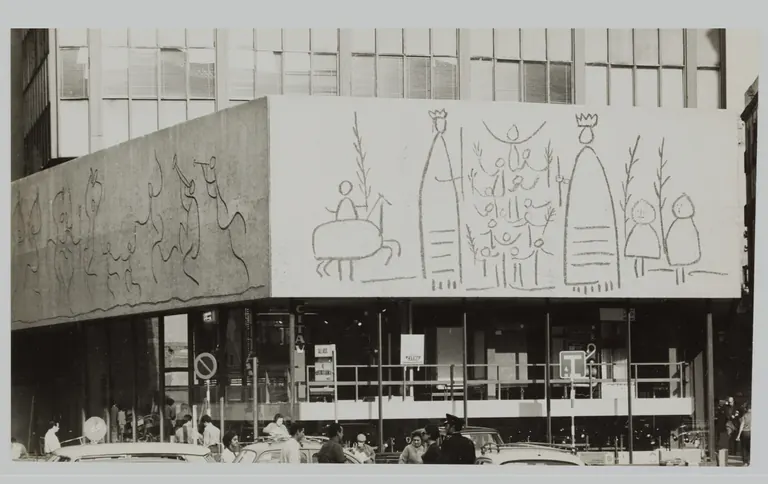
Picasso never built anything, but he drew the 1962 friezes for Barcelona's College of Architects, and Carl Nesjar cut them into the building in sgraffito. A Lucien Clergue photograph of them, taken on 16 October 1968, is the show's lead image.
The argument is that cubism handed architects a toolkit (collage, fragmentation, superposition, transparency) and that Le Corbusier took the most from it. You move through six sections, from "The Architect" and "Urban Visions" to "Cages of Space" and a final one on Picasso and Le Corbusier. The friezes and Guernica, painted for Spain's pavilion at the 1937 Paris Exhibition, serve as case studies; the museum doesn't say the canvas leaves Madrid. The friezes are still up in Plaça Nova, facing the Cathedral: the one Picasso in town you can see at 2am without a ticket.
It opens on 20 November as part of Barcelona's year as World Capital of Architecture. Under-18s go free, and Thursdays from 4 to 7pm are free with booking, released four days ahead.
Editor's pick
How Picasso's cubist space shaped modern architecture: the 1937 pavilion that housed Guernica, his friezes for Barcelona's architects' college and his influence on Le Corbusier. The friezes are still on that college's facade, a short walk away.
Good for
- Nerding Out
- Out-Of-Town Guests
With kids
Family workshop «Geometries per habitar» (ages 6+, in Catalan, €4.50 each) runs on five Saturdays from 28 November, 5 to 7pm: kids build a space from modular pieces, moving from drawing to collage to volume.
Also at Museu Picasso de Barcelona
On now nearby
Nearby
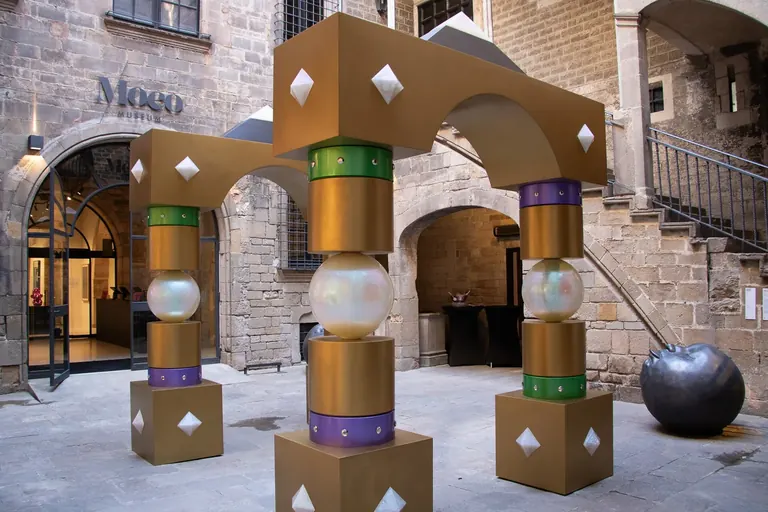
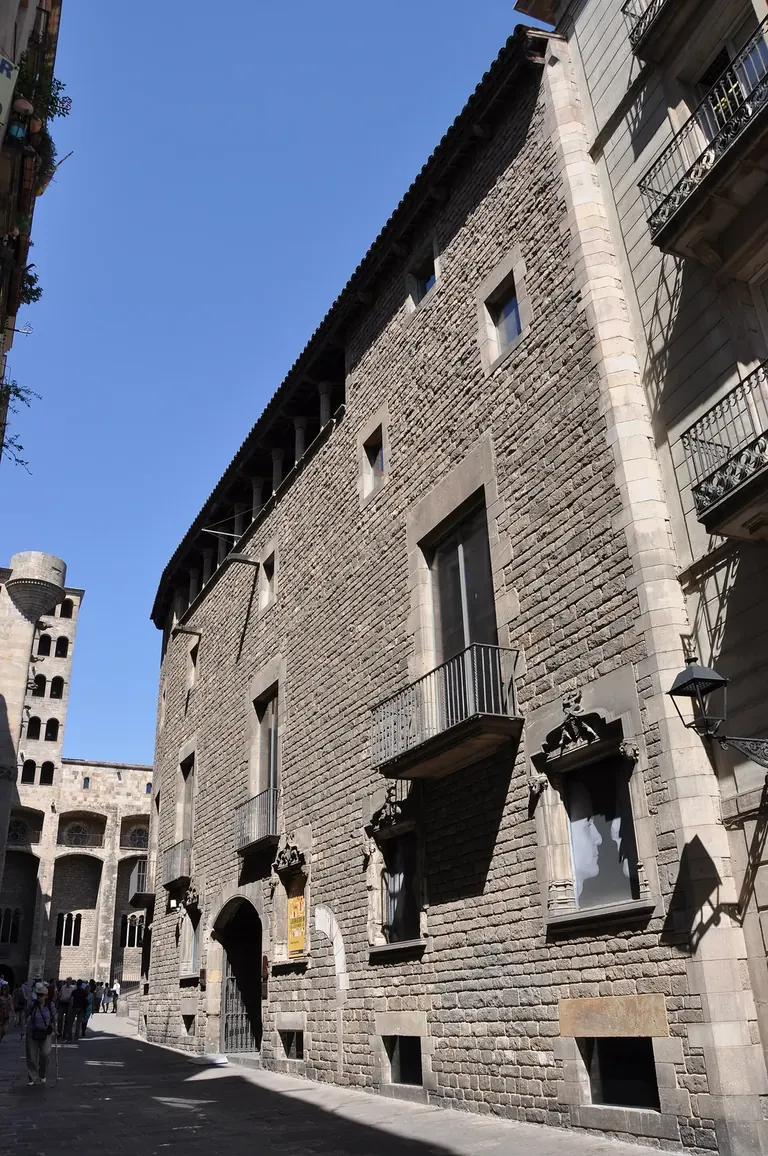
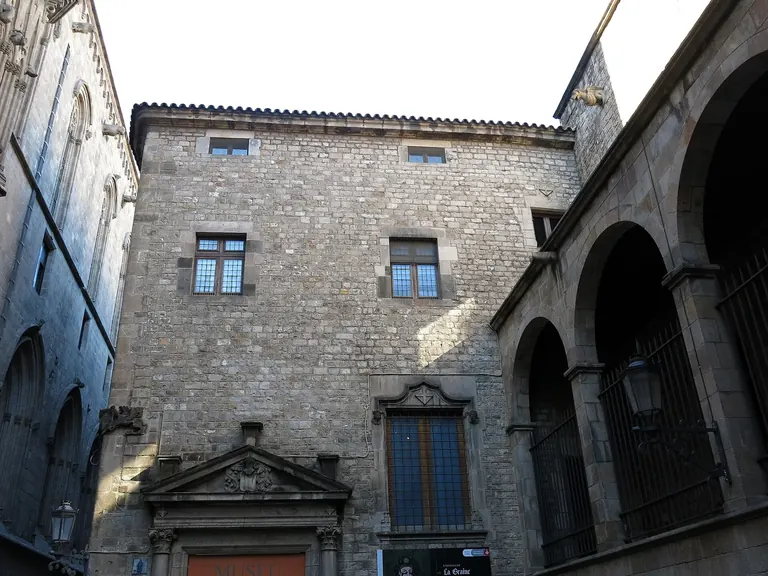
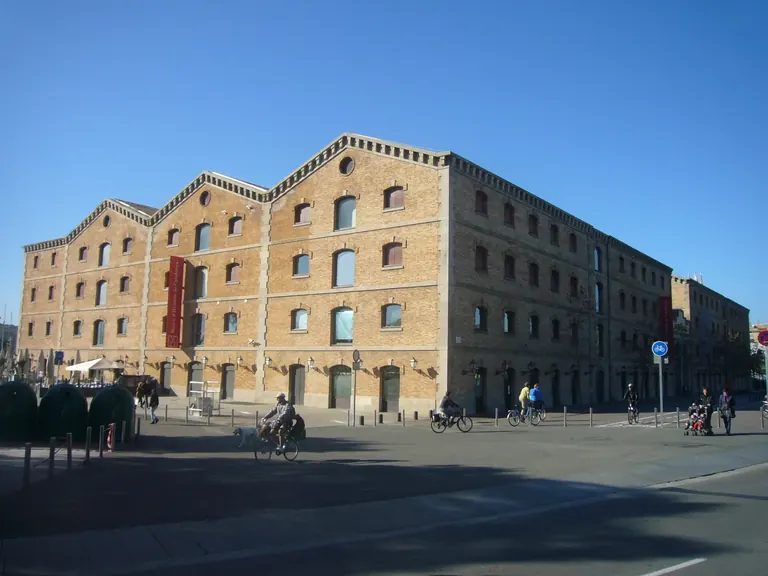
Image credits
9
- Picasso and architecture©Atelier Lucien Clergue ©Successió Pablo Picasso, VEGAP, Madrid, 2026
- Barcelona Materials: Local Materials for Regenerative ArchitectureCourtesy of Museu d'Història de Barcelona (MUHBA)
- VisiblesCourtesy of Museu d'Història de Catalunya
- 50 anys dels concerts de la Transició. Barcelona, Palau d'EsportsCourtesy of Museu d'Història de Catalunya
- Museu Picasso de BarcelonaPere López / Wikimedia Commons, CC BY-SA 3.0
- Moco Museum BarcelonaRolima.moco / Wikimedia Commons, CC BY-SA 4.0
- Museu d'Història de Barcelona (MUHBA)J Irigoyen / Wikimedia Commons, CC BY-SA 3.0
- Museu Frederic MarèsEnfo / Wikimedia Commons, CC BY-SA 4.0
- Museu d'Història de CatalunyaJordiferrer / Wikimedia Commons, CC BY-SA 3.0