 i
Wereldmuseum AmsterdamAmsterdam-Oost
Unfinished Pasts: Return, Keep, or...?
Steps into the live restitution debate, exploring dilemmas and stories behind contested colonial-era objects.
More in Amsterdam
A small reddish-brown pot with black spots, chipped and scuffed on the bottom, looks like nothing much. A faint pencil number on its side, B324, let researchers trace it to the 1862 International Exhibition in London, among the milk vessels sent by the Basotho chief Moshoeshoe I.
Cases like that are the show. About 200 objects from the museum's own collection are grouped into thematic islands: objects taken on military expeditions, the legal line between spoils of war and stolen art, scientific and cultural value, cultural erasure. You read the provenance research and decide: return, keep, or something else? The museum admits the research often ends in more questions than answers. Six contemporary artists and collectives, Aram Lee and Lifepatch among them, add their own works.
De Groene Amsterdammer found that looking past the colonial perspective, as the show asks, is "far from simple". It runs until 3 January 2027, Tuesday to Sunday 10:00 to 17:00, and adults pay €18 online or €20 at the desk.
Look for
The Basotho milk pot, B324
Look for the faint pencil number on its side, the clue that tied this chipped little pot to London's 1862 International Exhibition.
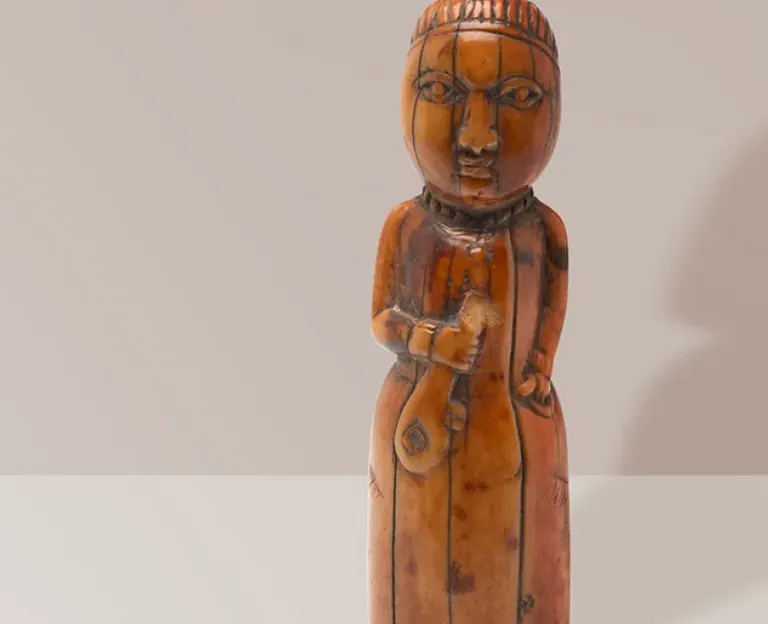
The Woyo standing figure
A carved man holding a state sword, a royal sceptre, from the Cabinda region of Central Africa; he is the image the museum chose for the show.
The beaded apron from Geelvinkbaai
Worn in ceremonial dances in New Guinea before 1907, its beads point to old trade routes reaching the Moluccas, China and Vietnam.
The Massingire headdress
Made before 1884 in Mozambique or Malawi from textile, beads, cowrie shells, plant fibre and animal hair.
Good for
- Going Solo
- Nerding Out
Skip if
You want answers: by the museum's own account, its provenance research raises more questions than it settles.
Also at Wereldmuseum Amsterdam
On now nearby

Nearby
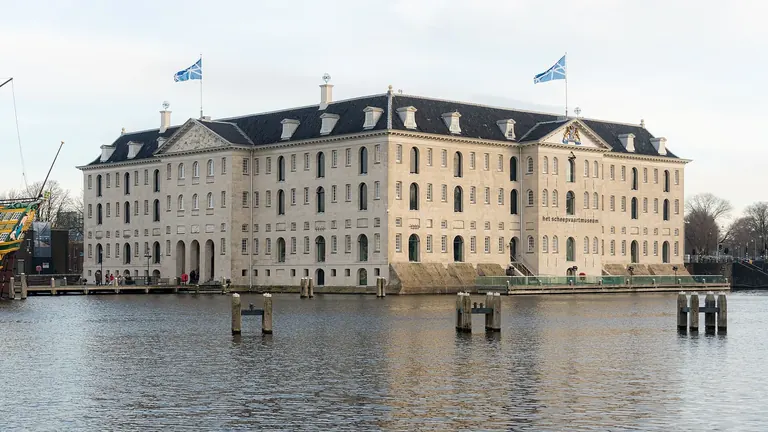
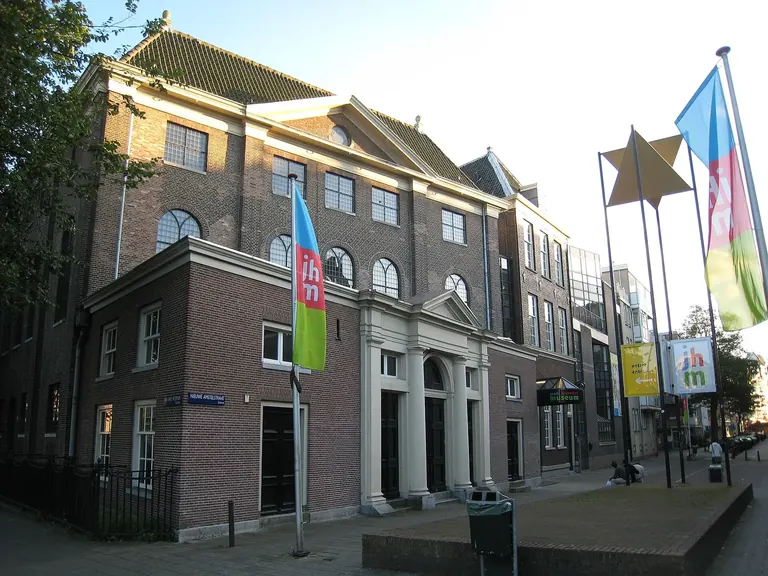
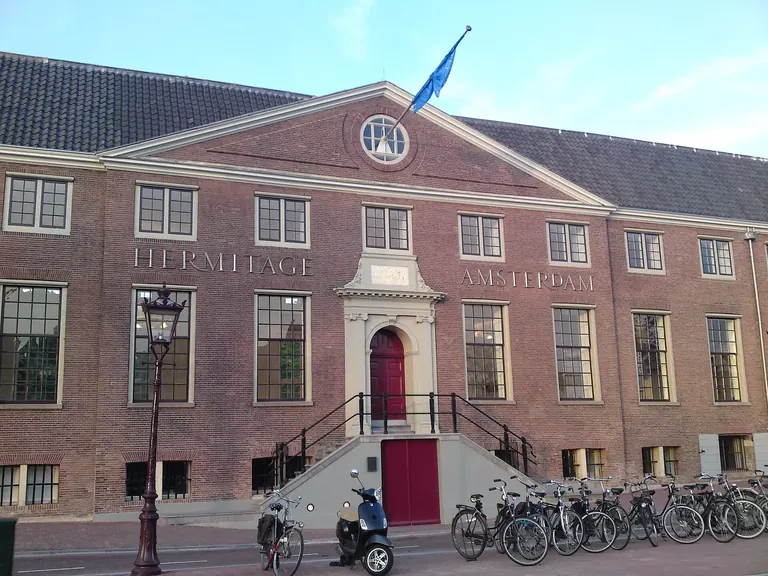
Image credits
9
- Unfinished Pasts: Return, Keep, or...?Courtesy of Wereldmuseum Amsterdam
- Hella de Jonge – Dichter bij hun zielCourtesy of Verzetsmuseum Amsterdam (Dutch Resistance Museum)
- Vincent Ruijters - Crimson GiltTwycer
- Atlantic Window IV: Sedrig VerwoertPhoto: Sedrig Verwoert
- Wereldmuseum AmsterdamSneeuwvlakte / Wikimedia Commons, CC BY-SA 4.0
- Verzetsmuseum Amsterdam (Dutch Resistance Museum)A. Bakker / Wikimedia Commons, CC BY 3.0
- Het ScheepvaartmuseumFernando via Wikimedia Commons, CC BY-SA 4.0
- Joods Museum (Jewish Museum, Jewish Cultural Quarter)S Sepp / Wikimedia Commons, CC BY-SA 3.0
- H'ART MuseumFentener van Vlissingen, via Wikimedia Commons, CC BY-SA 3.0