 i
Amsterdam MuseumGrachtengordel
Amsterdam – A Work of Art
Iconic 17th-century cityscapes showing how Amsterdam depicted itself as a wealthy, innovative world power as it transformed into a global trading hub.
More in Amsterdam
Preview: written before the show opened
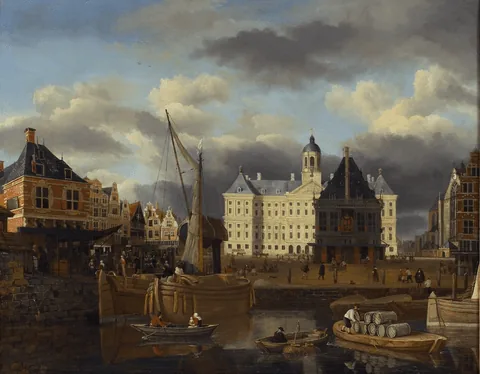
In Jan van Kessel's view of the Dam from 1668, the new city hall is the only building in sunlight. Below it, goods are carted to the Waag to be weighed and fish comes in along the Damrak, bought up by fishwives who claimed a lot by shouting "mine!". The show is about that gap between the city on display and the city at work.
Amsterdam was Europe's most depicted city after Rome, says the City Archives' researcher Erik Schmitz. The Archives and the Amsterdam Museum pool their paintings, drawings and prints with loans, some never shown in public: Rembrandt, Saenredam, Jan van der Heyden, Ruisdael. Four artists draw the Montelbaanstoren, and Rembrandt, who lived nearby, leaves off its spire. It still stands on the Oudeschans, spire and all, so you can fact-check him on a walk.
It's at the City Archives, Vijzelstraat 32, not the canal house: Tuesday to Friday 10:00 to 17:00, weekends 12:00 to 17:00. Wall texts and the audio tour are in Dutch and English.
Editor's pick
Seventeenth-century cityscapes of Amsterdam picturing itself as a wealthy, inventive world power while it grew into a global trading hub. The canals are the ones outside, minus the bikes.
Look for
Jan van Kessel's Dam, seen to the west (1668)
Look for the new city hall, today's Royal Palace, standing alone in sunlight against dark clouds while fish is landed and sold on the Damrak below.
Rembrandt's Montelbaanstoren without its spire
Rembrandt drew the tower bare of the spire it had carried for decades, then extended the sheet on three sides to add a ship and more of the quay.
Jan van Goyen's missing bridges (1651)
In his view of the Montelbaanstoren and the Oudeschans, Van Goyen simply left out two bridges to give the water more room.
VOC troops boarding at the Montelbaanstoren
Abraham Storck's harbour scene of about 1680 turns the same tower into a backdrop for soldiers and sailors embarking from the Oudeschans.
Good for
- Going Solo
- Nerding Out
- Out-Of-Town Guests
Also at Amsterdam Museum
On now nearby

Nearby
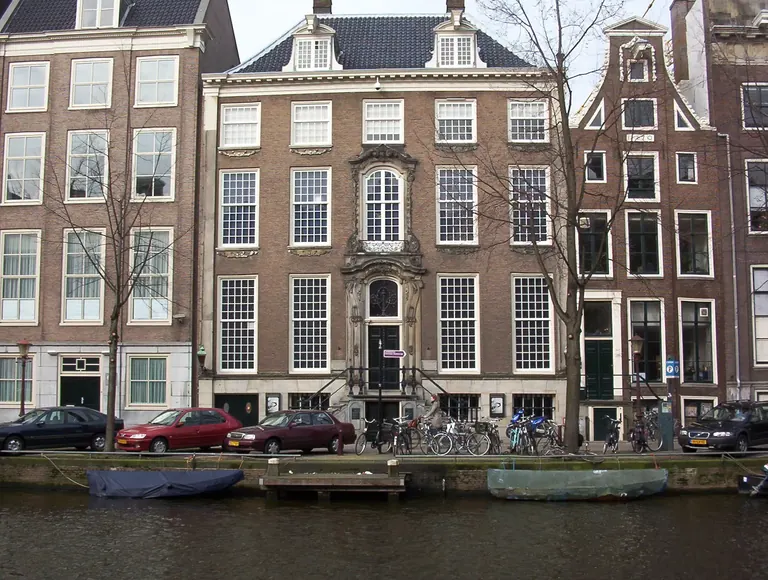
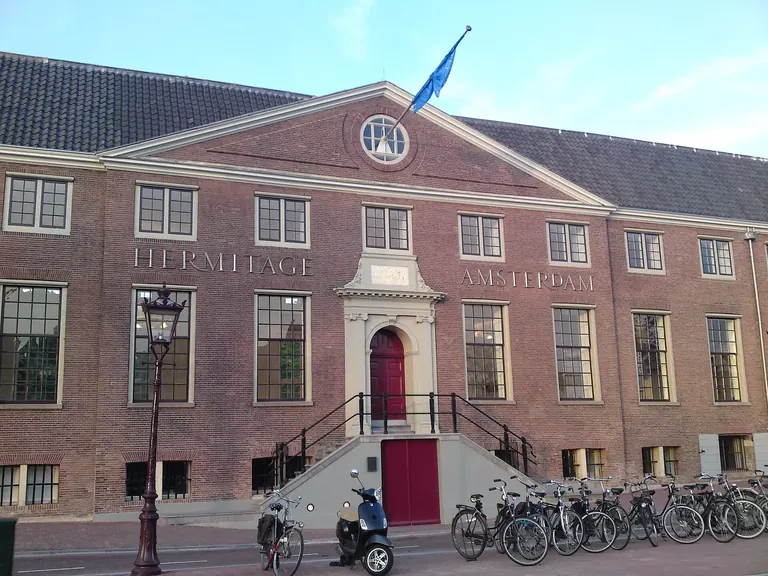
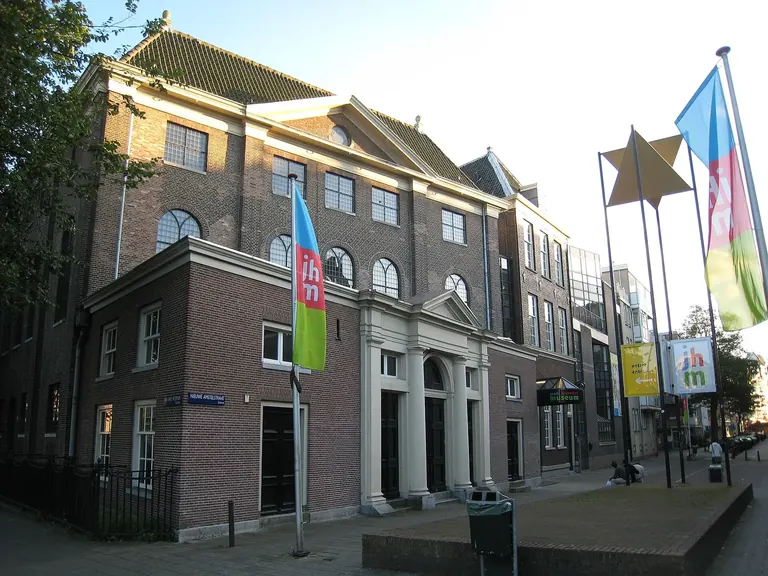
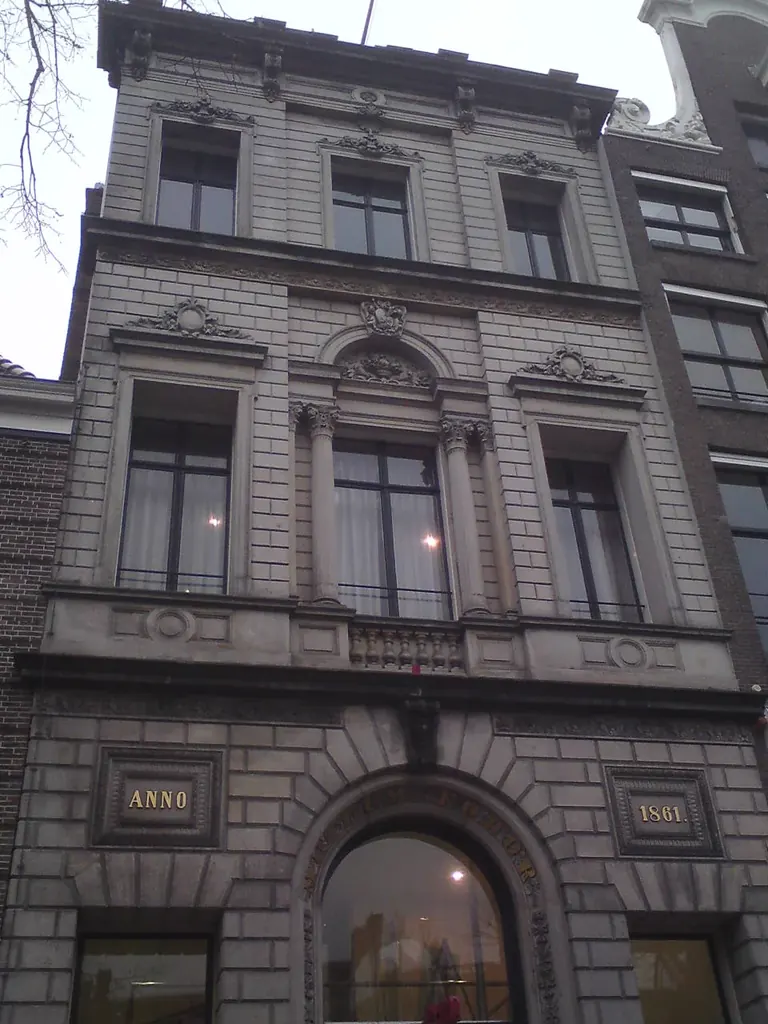
Image credits
9
- Amsterdam – A Work of ArtCourtesy of Amsterdam Museum
- Plantation along the Canal: Stories of People and PowerCourtesy of Museum Willet-Holthuysen
- The Land of Chocolate Sprinkles. Building a new world togetherCourtesy of H'ART Museum
- Chez Matisse - Masterpieces from Centre PompidouCourtesy of H'ART Museum
- Amsterdam MuseumJvhertum, Public domain
- Museum Willet-HolthuysenJane023 / Wikimedia Commons, Public domain
- H'ART MuseumFentener van Vlissingen, via Wikimedia Commons, CC BY-SA 3.0
- Joods Museum (Jewish Museum, Jewish Cultural Quarter)S Sepp / Wikimedia Commons, CC BY-SA 3.0
- Foam Fotografiemuseum AmsterdamDqfn13 / Wikimedia Commons, CC BY-SA 3.0 NL