 i
Museum Willet-HolthuysenGrachtengordel
Plantation along the Canal: Stories of People and Power
Explores how two of the house's 18th-century residents built their wealth on plantation trade, with an audio tour guided by a descendant of an enslaved woman from Suriname's Jagtlust plantation.
More in Amsterdam
In 1786 the Jagtlust plantation in Suriname held 125 enslaved people: 48 men, 52 women, 8 boys and 17 girls, recorded in the archives mostly as property. Curator Thijs Boers recovered their names while researching who once lived at Herengracht 605, and this show sets them beside the canal house whose residents profited from them.
Two residents carry the story. Banker Willem Deutz ran a "Surinam office" from the house and built a credit system, the "negotiation", in which plantations, and the people on them, served as collateral. Merchant Fredrik Berewout moved in after him and owned Jagtlust itself. In the audio tour, Dolores Leeuwin, a descendant of a woman enslaved at Jagtlust, walks you through the house and her own story, and she and her father read the 125 names aloud.
In the garden, the Sites of Memory collective hangs portraits printed on flags, with audio clips in memory of the people of Jagtlust. Entry is €15 for adults and free for under-18s.
Look for
The 125 names from Jagtlust
Look for the people enslaved on Berewout's plantation in 1786, named from the archives for the first time in this house.
A Conversation with the Past for the Future
In the garden, Sites of Memory's 'mobile monument' of portraits printed on flags, with audio clips remembering the people of Jagtlust.
Dolores Leeuwin's audio tour
A descendant of a woman enslaved at Jagtlust walks you through the house, mixing its history with her own story.
Good for
- Going Solo
- Nerding Out
With kids
Under-18s get in free. The house has a lift and ramps over its steps.
Also at Museum Willet-Holthuysen
On now nearby
Nearby
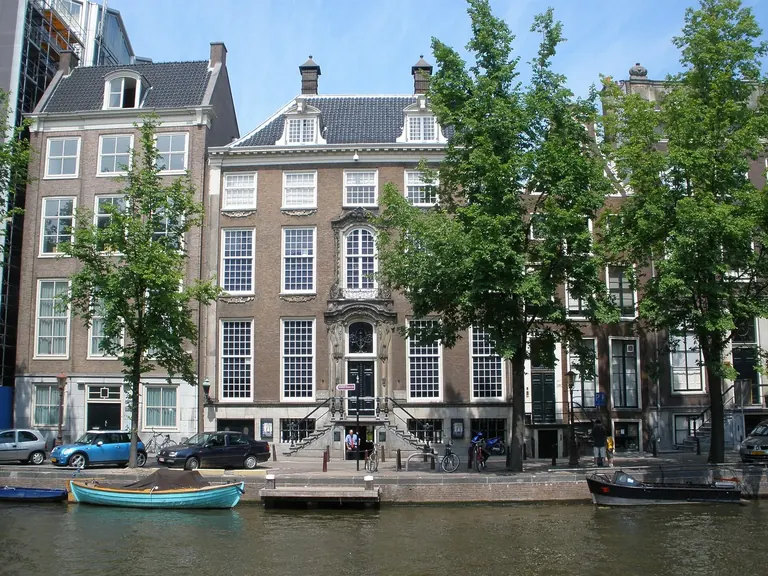
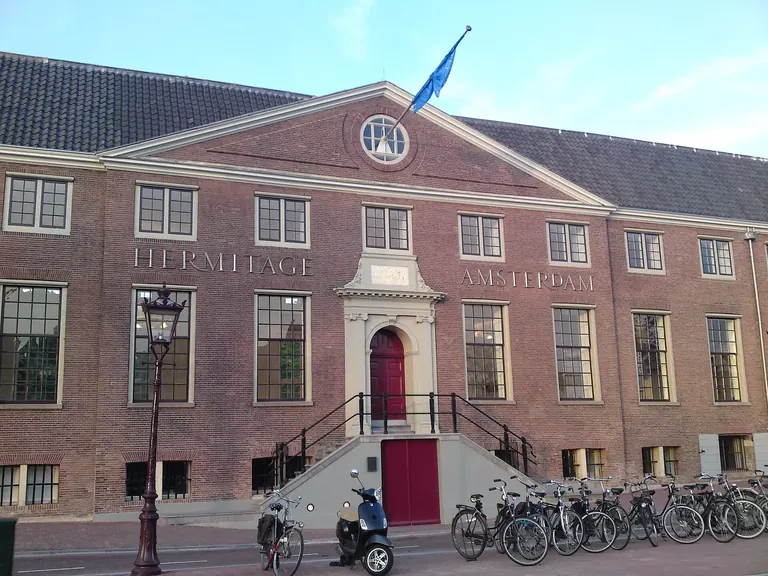
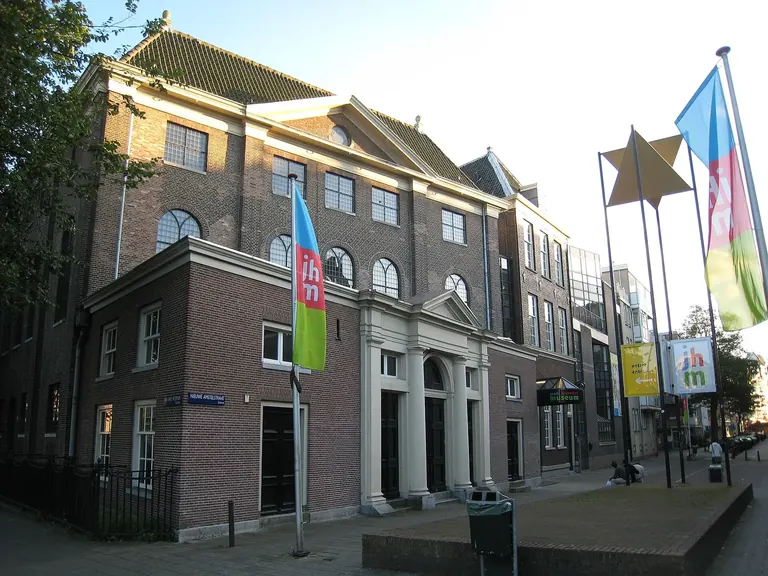
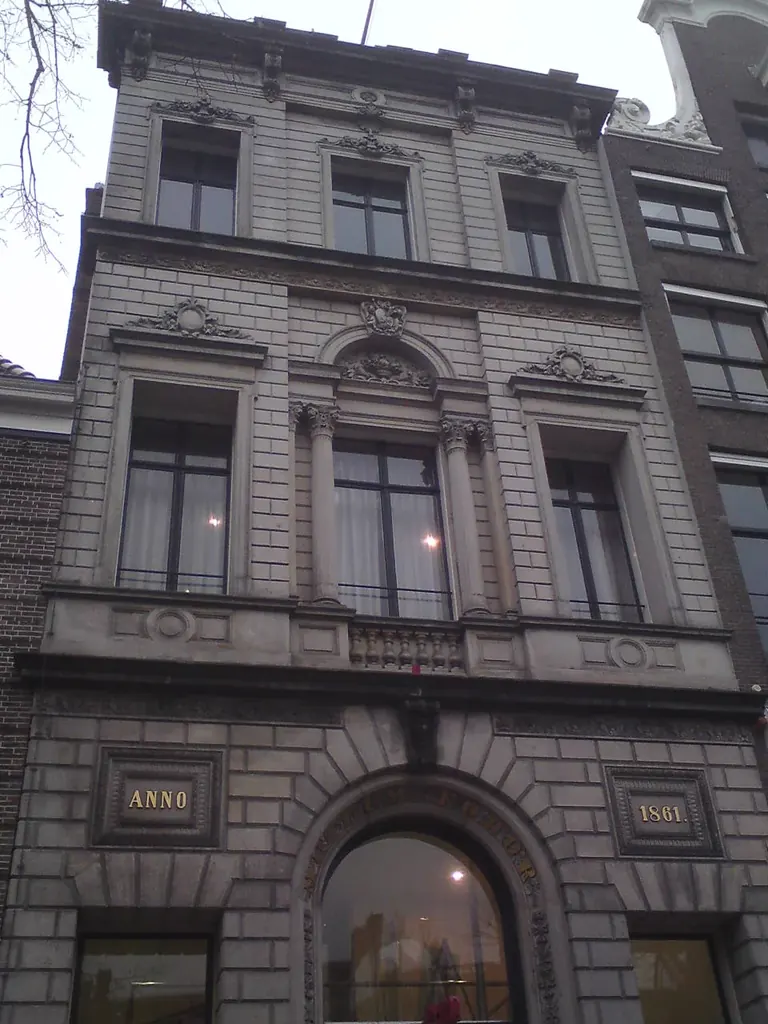
Image credits
9
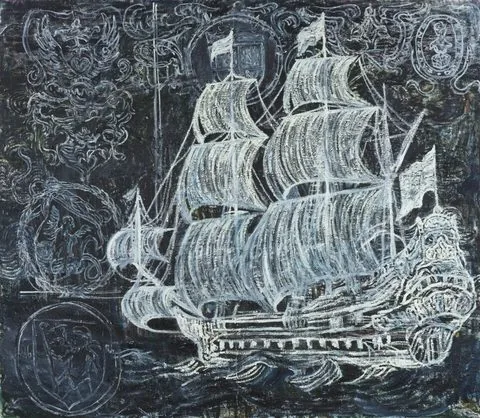
- Plantation along the Canal: Stories of People and PowerCourtesy of Museum Willet-Holthuysen
- Plantation along the CanalCourtesy of Amsterdam Museum
- The Land of Chocolate Sprinkles. Building a new world togetherCourtesy of H'ART Museum
- Chez Matisse - Masterpieces from Centre PompidouCourtesy of H'ART Museum
- Museum Willet-HolthuysenJane023 / Wikimedia Commons, Public domain
- Amsterdam MuseumJvhertum, Public domain
- H'ART MuseumFentener van Vlissingen, via Wikimedia Commons, CC BY-SA 3.0
- Joods Museum (Jewish Museum, Jewish Cultural Quarter)S Sepp / Wikimedia Commons, CC BY-SA 3.0
- Foam Fotografiemuseum AmsterdamDqfn13 / Wikimedia Commons, CC BY-SA 3.0 NL