 i
National Museum of American HistoryNational Mall
¡Puro Ritmo! The Musical Journey of Salsa
From the streets of Havana to the dance floors of New York and beyond, this bilingual show traces how salsa grew into a defining sound of the United States.
More in Washington, DC
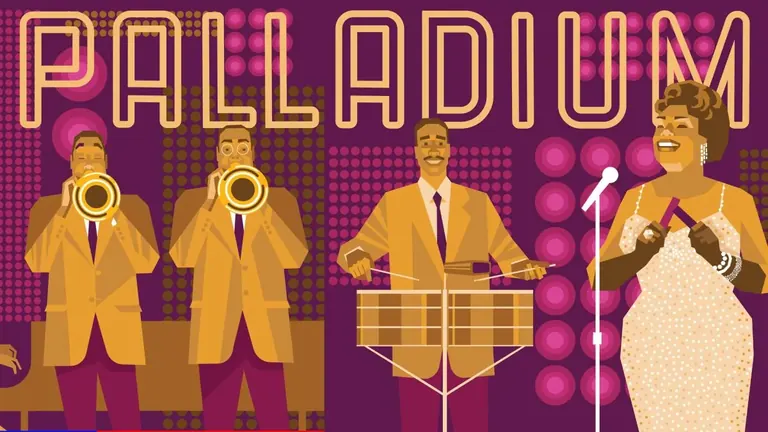
Put your hand on a small metal half-dome beside a pair of claves and you feel salsa's basic rhythm in your palm: two beats, then three. A few steps on, life-size musicians on 8-foot touchscreens each teach you one thing: drumming with Sheila E., dancing with Edwin Sorto, singing with Nora Suzuki.
Nearly 300 objects run through four sections, from 1920s Cuba to New York, through the 1960s, when "salsa" became a marketing term, and on to the golden age of the late '60s to early '80s. Tito Puente's timbales are here, and so are Johnny Pacheco's ebony flute and his father's violin. Five of Celia Cruz's stage outfits take turns on display over the run, with a 3D-printed copy of her shoes in front that you can touch.
The lead curator calls it a "101 Beginner's Intro", so salsa regulars will know the story. Labels are in English and Spanish. It's in the Molina Family Latino Gallery on 1 East, and entry is free.
Look for
The clave station
Two wooden claves, each about ten inches long, next to a metal half-sphere that taps the son clave rhythm into your hand when you rest it there.
The Changó regalia
A red and white ensemble with a large beaded necklace and a beaded double-headed axe, made for the exhibit by Santería practitioners from hundreds of cowrie shells and thousands of beads.
Celia Cruz's dress and shoes
One of her five rotating stage outfits, with a small 3D-printed model of her red satin platform shoes in front that visitors are allowed to touch.
Johnny Pacheco's flute and his father's violin
The Fania Records cofounder's ebony French five-key charanga flute, shown with the violin of his father, a Dominican bandleader exiled under Trujillo and his first music teacher.
Tito Puente's timbales
The pair of timbales Puente played during his drum solos, a few steps from screens where Sheila E. walks you through salsa drumming.
Good for
- Cheap Culture
- Rainy Days
- Teenagers
Skip if
You already know your Fania catalogue: the curator pitches it as a beginner's intro to salsa.
With kids
Kids can feel the clave rhythm through a metal pad, touch a model of Celia Cruz's shoes and copy dance moves from life-size instructors on 8-foot screens. Entry is free.
Also at National Museum of American History
On now nearby
Nearby
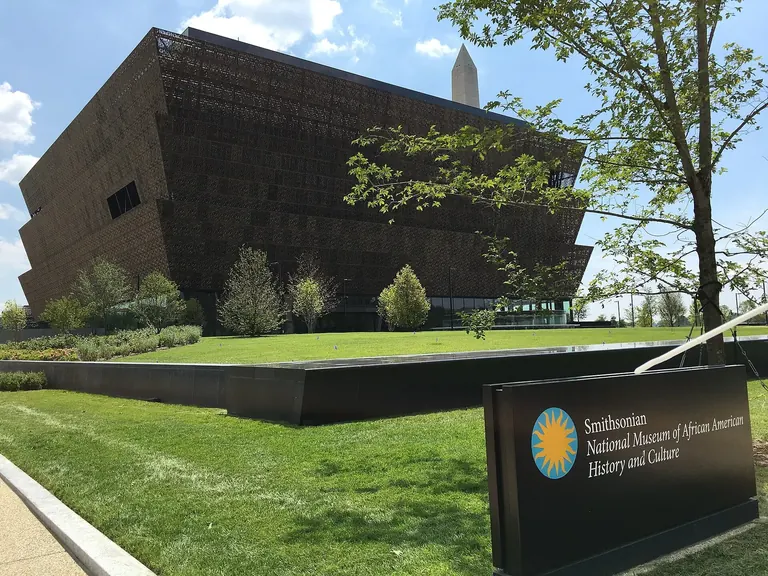
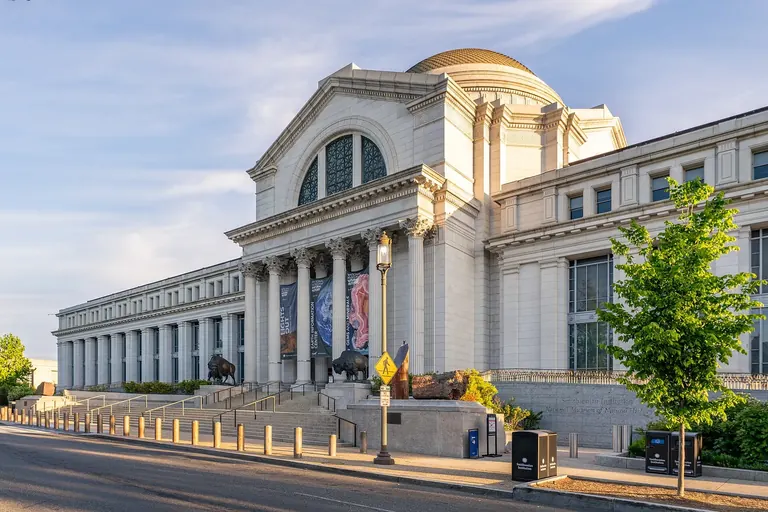
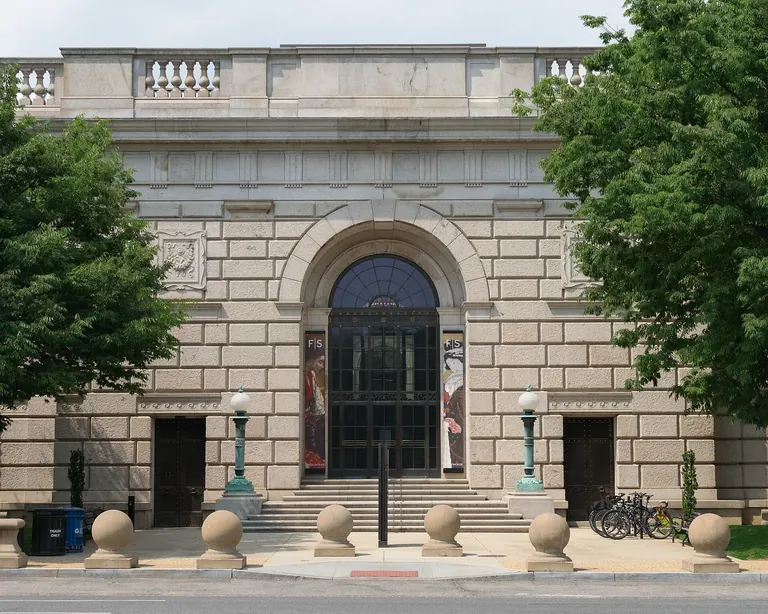
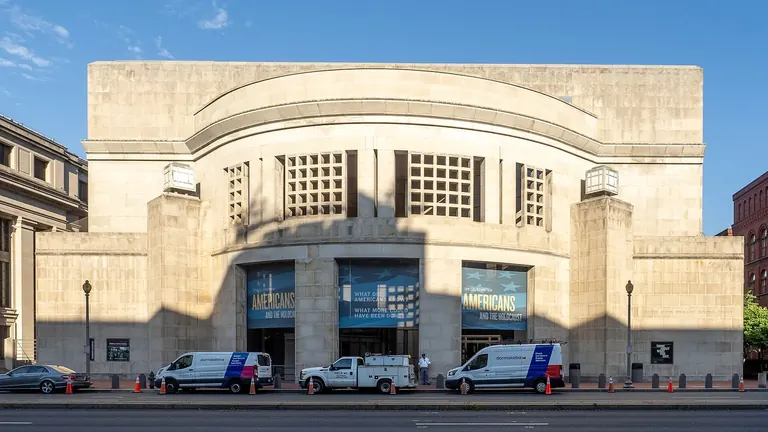
Image credits
9
- ¡Puro Ritmo! The Musical Journey of SalsaCourtesy of National Museum of American History
- Spirit in the Dark: Religion in Black Music, Activism and Popular CultureCourtesy of National Museum of African American History and Culture
- Bison: Standing StrongCourtesy of National Museum of Natural History
- From These Lands: Sharing Our Natural and Cultural HeritageCourtesy of National Museum of Natural History
- National Museum of American HistoryCarol M. Highsmith / Wikimedia Commons, Public domain
- National Museum of African American History and CultureFuzheado, via Wikimedia Commons, CC BY-SA 4.0
- National Museum of Natural Historyajay_suresh via Wikimedia Commons, CC BY 4.0
- National Museum of Asian ArtDifference engine, via Wikimedia Commons, CC BY-SA 4.0
- United States Holocaust Memorial Museumajay_suresh via Wikimedia Commons, CC BY 2.0