 i
National Museum of American HistoryNational Mall
How Can You Forget Me: Filipino American Stories
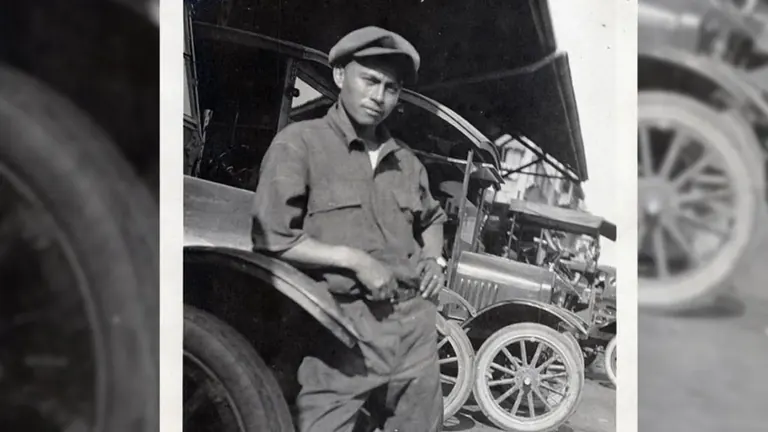
The overlooked history of a trailblazing Filipino community in California, from the 1910s to the 1970s.
More in Washington, DC
A white pillowcase, embroidered with flowers and the words "How Can You Forget Me", came out of Anastacio Omandam's steamer trunk. Nobody knows who stitched it, and it gave the show its name.
Omandam's was one of 26 trunks found in 2005 in the basement of the Daguhoy Lodge in Stockton, California, where the Legionarios del Trabajo kept members' belongings after they died. Three of the trunks are here, with more than 50 objects from them: letters in cursive, pay stubs, harvesting shears, asparagus knives. In the studio portraits you see what the men wanted their families back home to see: three-piece suits, bow ties, Stetson hats.
The show stays with one community, Stockton's Little Manila, from the 1910s to the 1970s, so expect close detail rather than a national survey. It's in the Taubman Gallery, second floor west. Entry is free with no passes, daily 10am to 5:30pm, through 28 November 2027.
Look for
The title pillowcase
A white pillowcase from Omandam's trunk, embroidered with flowers around the words "How Can You Forget Me"; its history is unknown.
Omandam's pinstriped suit
A black pinstriped three-piece suit with a matching Stetson hat, the outfit a farmworker wore to look successful in photos sent home.
The bango tags
Numbered tags that Hawaii sugar plantations issued to Filipino workers in place of their names, for pay and other transactions.
The Queen of Little Manila dress
Barbara Nambatac's white sequined dress, worn when she was crowned Queen of Little Manila at a 1971 beauty pageant.
Larry Itliong's jacket
The jacket and passport of the organiser who helped lead the 1965 Delano Grape Strike, when Filipino farmworkers walked out of the vineyards.
Good for
- Cheap Culture
- Nerding Out
- Rainy Days
Skip if
You want a broad survey: it stays with one Stockton community, 1910s to 1970s.
Also at National Museum of American History
On now nearby
Nearby
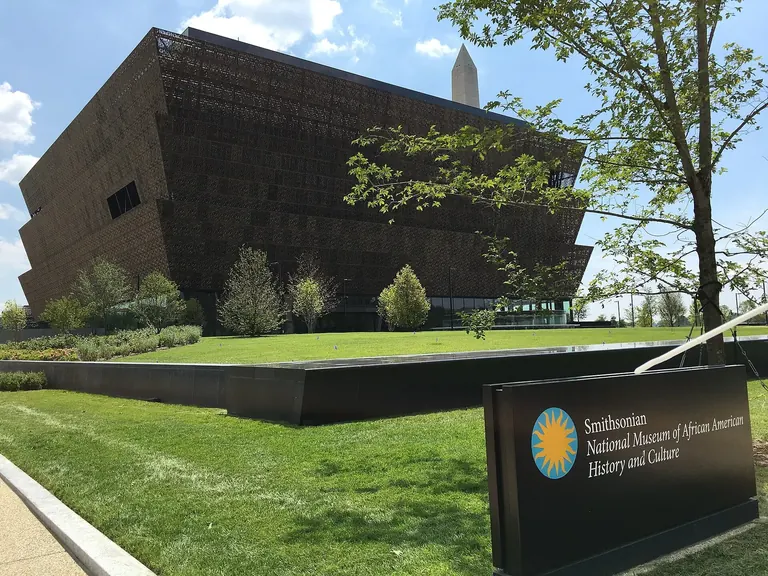
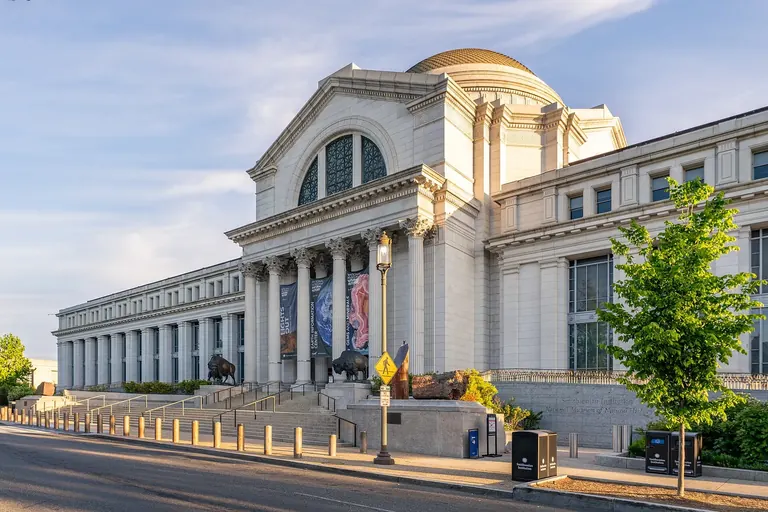
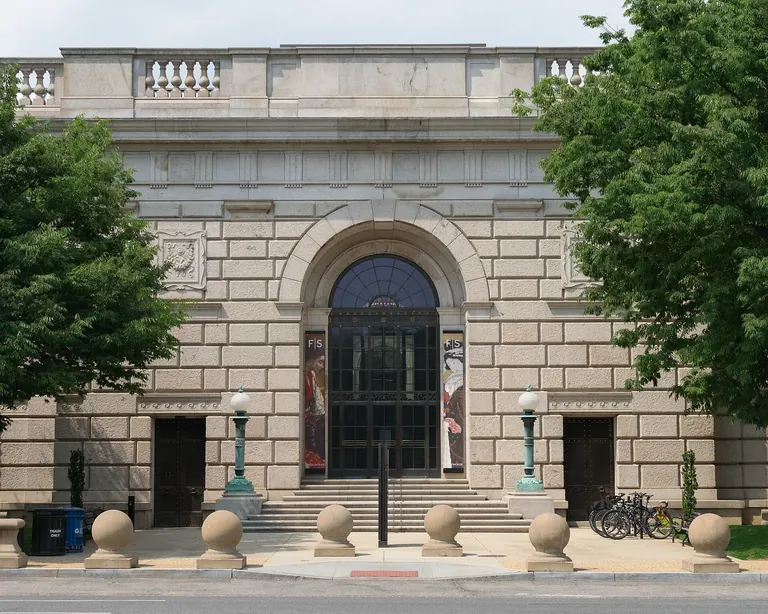
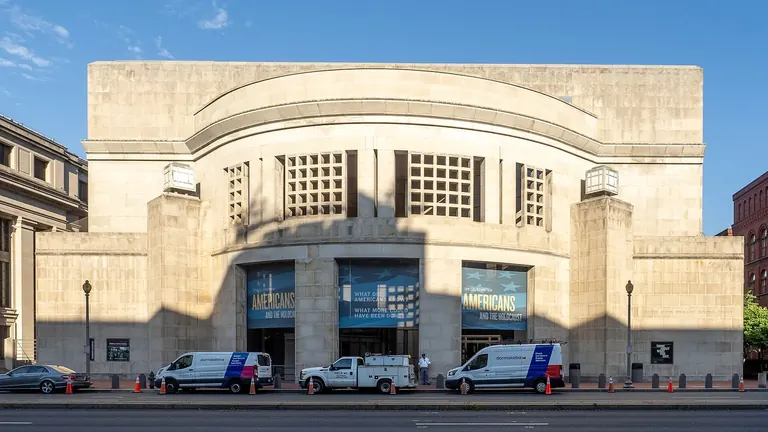
Image credits
9
- How Can You Forget Me: Filipino American StoriesCourtesy of National Museum of American History
- Spirit in the Dark: Religion in Black Music, Activism and Popular CultureCourtesy of National Museum of African American History and Culture
- Bison: Standing StrongCourtesy of National Museum of Natural History
- From These Lands: Sharing Our Natural and Cultural HeritageCourtesy of National Museum of Natural History
- National Museum of American HistoryCarol M. Highsmith / Wikimedia Commons, Public domain
- National Museum of African American History and CultureFuzheado, via Wikimedia Commons, CC BY-SA 4.0
- National Museum of Natural Historyajay_suresh via Wikimedia Commons, CC BY 4.0
- National Museum of Asian ArtDifference engine, via Wikimedia Commons, CC BY-SA 4.0
- United States Holocaust Memorial Museumajay_suresh via Wikimedia Commons, CC BY 2.0