 i
Swedish History Museum (Historiska museet) · Östermalm
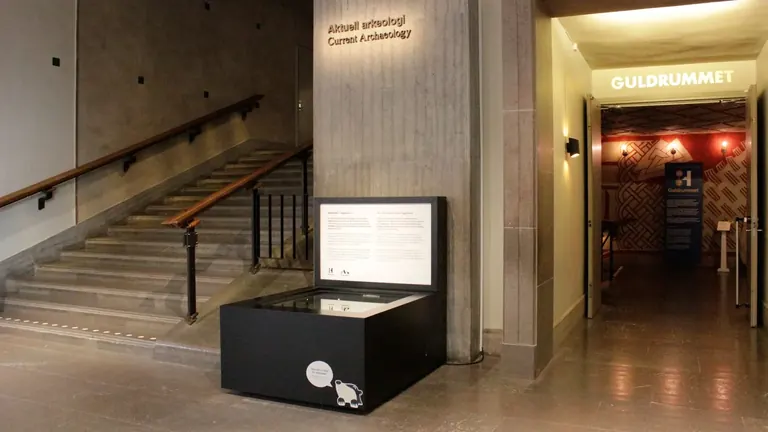
Current Archaeology: Finds from Sylta
Entrance-hall showcase of fresh excavation finds, currently objects from a Viking Age burial ground at Sylta near Köping, Västmanland.
One of the iron bells in this case still works. After the 2021 dig at Sylta, outside Köping, the archaeologists heard it ring for the first time in about 1,000 years. Bells like it let people hear a rider or a sleigh coming across the snow.
The case sits in the entrance hall and holds a selection from more than 500 iron pieces of horse gear. Horses turned up in 24 of the burial ground's 51 graves, cremated with their tack: bits, buckles, spurs, a sleigh horse's tow chain. You lean in and the three-pronged hanging fittings keep repeating, Sylta's own style and, in the museum booklet's words, "a veritable fashion statement for horses".
It's one case, so make it a stop on the way in. The Archaeologists, who ran the dig, say no ticket is needed. Download the English booklet from the museum's page first: it covers each object by grave number, with drawings of a rider and a sleigh horse in full kit.
Look for
The bells
Look for the small round iron bells, folded from sheet around a tiny ball; 59 came out of ten graves, and they warned walkers that a horse or sleigh was coming.
The three-pronged hanging fittings
Look for the pendants with three prongs that dangled from the harness: typical of Sylta, part of a local horse style with no clear parallel from the period.
Two bits, two sizes of horse
The single-jointed bits from graves 616 and 621 measure 143 and 112 millimetres, which is how the archaeologists know these horses came in different sizes.
The cross-shaped strap keepers
Two small iron crosses from grave 611 that match no other Iron Age find; the archaeologists call them strap keepers, but admit they are hard to interpret.
The horse from grave 617
Cremated bones from a horse buried alongside its owner and several other animals, including a goshawk.
Good for
- An Hour Or Less
- Cheap Culture
- Locals Who've Seen It All
- Nerding Out
Skip if
You want a full exhibition: this is a single display case in the entrance hall.
Also at Swedish History Museum (Historiska museet)
On now nearby


Nearby
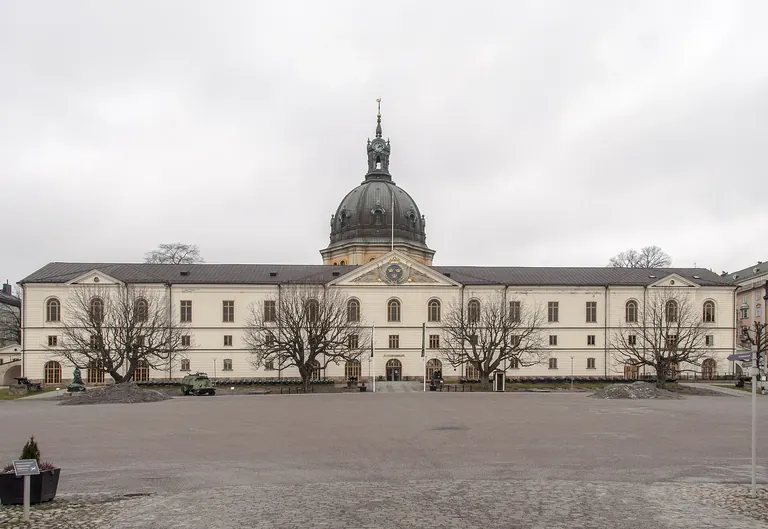

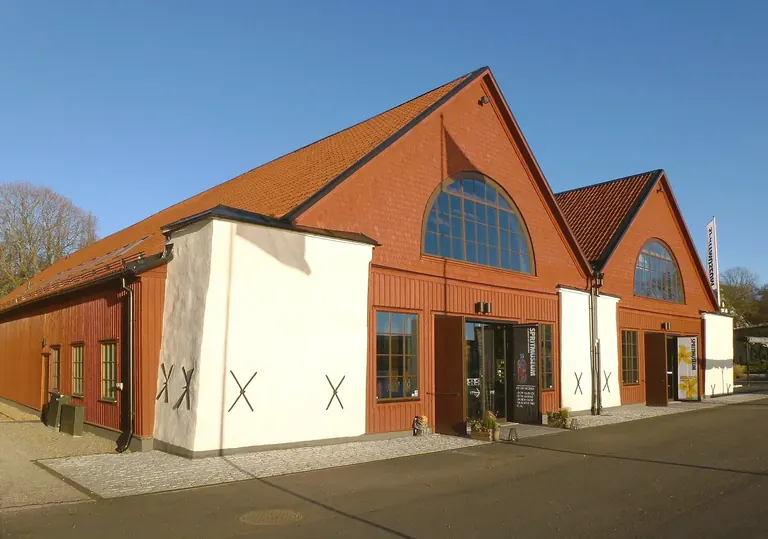
Image credits
9
- Current Archaeology: Finds from SyltaCourtesy of Swedish History Museum (Historiska museet)
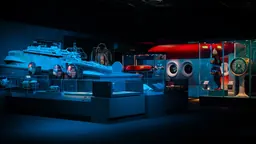
- Rädd eller bereddCourtesy of Army Museum (Armémuseum)
- James Cameron – Challenging the DeepLovisa Brämming/The Vasa Museum/SMMTF, CC BY
- True CrimeCourtesy of Spritmuseum
- Swedish History Museum (Historiska museet)FriskoKry / Wikimedia Commons, CC BY-SA 3.0
- Army Museum (Armémuseum)I99pema / Wikimedia Commons, CC BY-SA 3.0
- Nordiska museetBengt Nyman / Wikimedia Commons, CC BY 2.0
- Vasa Museum (Vasamuseet)Holger.Ellgaard / Wikimedia Commons, CC BY-SA 3.0
- SpritmuseumHolger.Ellgaard / Wikimedia Commons, CC BY-SA 3.0