 i
Hallwyl Museum (Hallwylska museet) · Norrmalm
War of the corsets
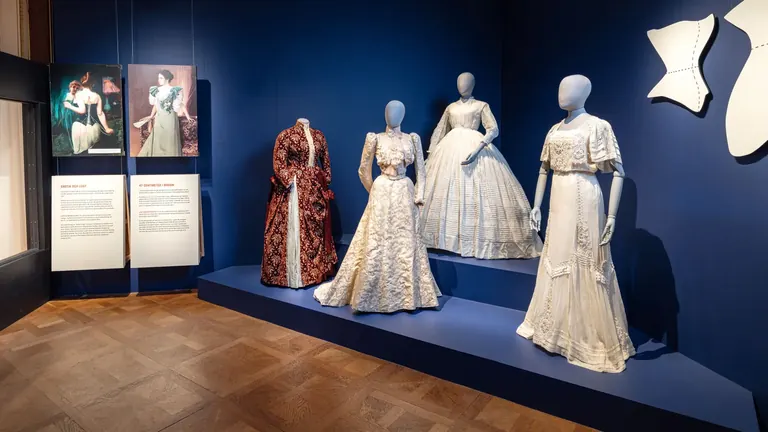
How the corset sparked Sweden's 1880s "corset war": a fight over women's bodies, class and identity at the turn of the last century.
Irma von Geijer's riding suit, in blue and black wool, has a 47-centimetre waist. You climb past the palace's furnished rooms to find it in five rooms on the top floor, and nearby you can try lacing yourself into a corset.
The show grew out of historian Henric Bagerius's research at Örebro University and has toured Sweden since 2019. It treats the 1880s corset war as a real argument: Karolina Widerström, Sweden's first female doctor, wanted the corset replaced, while Else Kleen thought its silhouette gave suffrage campaigners credibility. On film, Bagerius tests how tight a corset goes and exercises in one.
Aron Ambrosiani, reviewing for Utställningskritik, called the texts excellent and the blue-plywood design a bit too austere. His catch is the last room, where five new pieces by Ove Harder Finseth slip into fashion cliché. His suggested fix is a Saturday night in February: Klara Hammarström's corset at Melodifestivalen 2021. Entry is the museum's SEK 150 ticket, free under 18, and there is no lift.
Look for
Irma von Geijer's riding suit
Look for the blue and black wool three-piece, made for a rider with a 47-centimetre waist.
The corset try-on
You can attempt to lace yourself into a corset, which makes the arguments on the walls a lot more concrete.
Henric Bagerius's corset films
In two rooms the historian tests different corset tightnesses on himself and runs through exercises with and without one.
Karin Larsson's reform dresses
Two garments lent by Carl Larsson-gården, designed by Larsson so the wearer could move freely without a corset.
The von Hallwyl wardrobe
Clothes worn by Wilhelmina von Hallwyl and her three daughters hang alongside corsets from the 1880s to the 1910s.
Good for
- Going Solo
- Nerding Out
- Teenagers
Skip if
You can't manage stairs: the show is on the top floor and the building has no lift.
With kids
Under-18s go free. Strollers aren't allowed inside and there's no lift, so plan to carry small children up to the top floor.
Also at Hallwyl Museum (Hallwylska museet)
On now nearby

Nearby
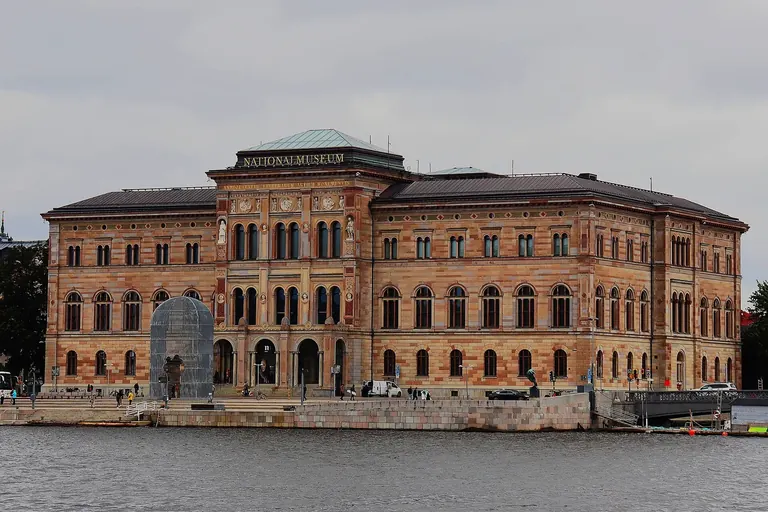
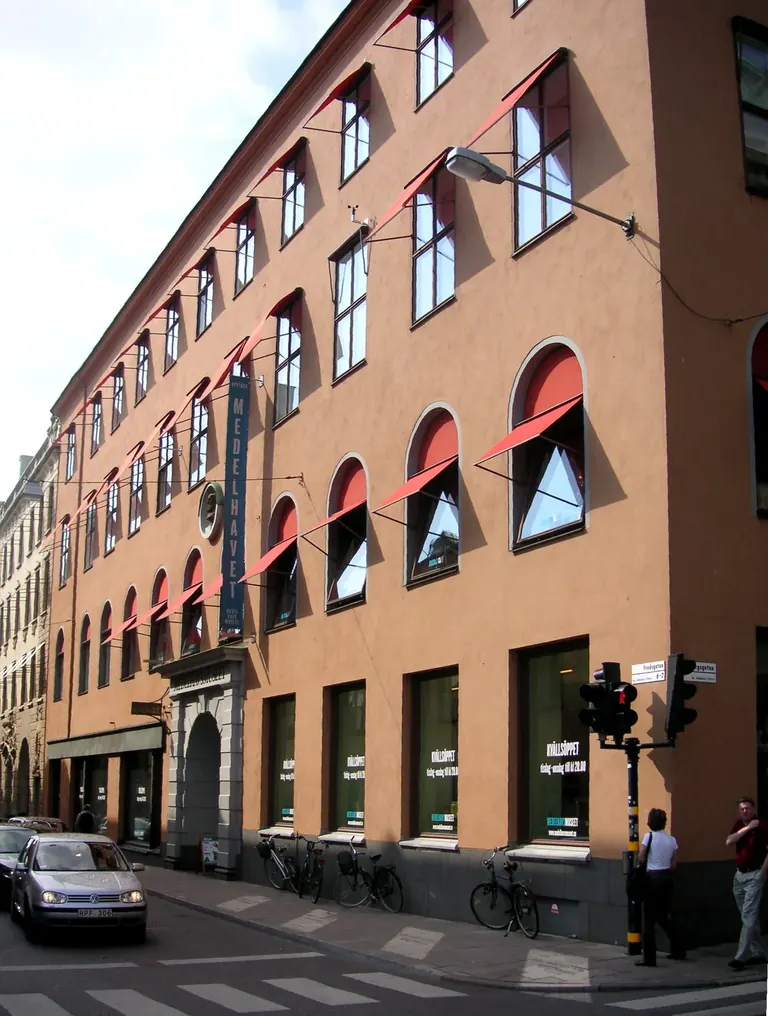
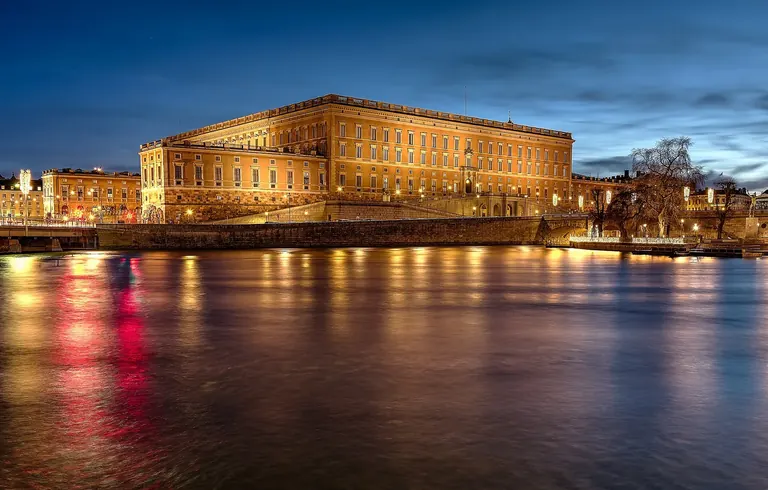
Image credits
9
- War of the corsetsJens Mohr, the Hallwyl Museum/SHM, CC BY 4.0
- Rädd eller bereddCourtesy of Army Museum (Armémuseum)
- To the Sea!Courtesy of Nationalmuseum
- Kåge – Sketches and Drawings from the Nationalmuseum ArchivesCourtesy of Nationalmuseum
- Hallwyl Museum (Hallwylska museet)Holger.Ellgaard / Wikimedia Commons, CC BY-SA 4.0
- Army Museum (Armémuseum)I99pema / Wikimedia Commons, CC BY-SA 3.0
- NationalmuseumJacob Shaw / Wikimedia Commons, CC BY-SA 4.0
- Medelhavsmuseet (Museum of Mediterranean and Near Eastern Antiquities)Holger Ellgaard / Wikimedia Commons, CC BY-SA 3.0
- Royal Palace of Stockholm (Kungliga slottet)Magnus Johansson / Wikimedia Commons, CC BY-SA 2.0