 i
National Museum of Korean Contemporary History · Jongno-gu
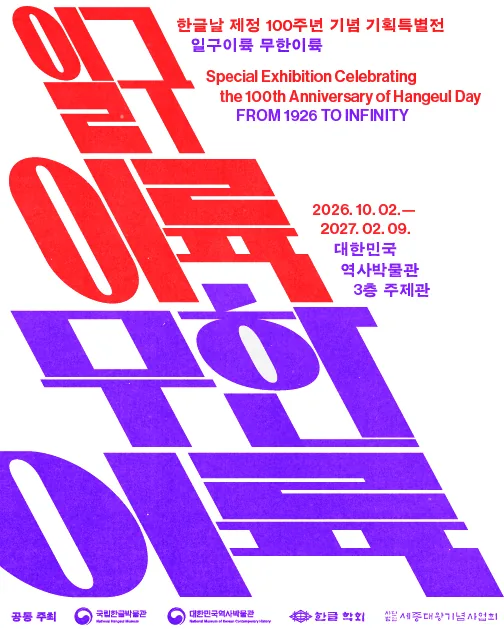
Ilgu Iryuk, Muhan Iryuk: 100 Years of Hangul Day
Marks 100 years of Hangul Day, from the first Gagyanal ceremony in 1926 to today, through the history of learning and celebrating the Korean alphabet.
More in Seoul
Hangul Day began in 1926 as Gagya Day, named after "ga-gya-geo-gyeo", the syllable drill Koreans learned the alphabet by. Here you can see that drill as a printed 19th-century chart, every consonant and vowel paired off in a grid, its margins packed with text in Chinese characters and Hangul.
The 116 items fill the third-floor theme hall in three parts. Old newspapers and magazines trace the holiday's date and status: a public day off from 1949, dropped in 1990, restored in 2012. For 22 years, the country marked its alphabet's day by using it at work. The middle section holds two dictionary manuscripts designated national Treasures, and the last is hands-on, including a booth that tells your fortune from syllable arrangements.
Most of the show is paper: manuscripts, magazines, calendars, charts. Entry is free, and it stays open until 21:00 on Wednesdays and Saturdays. Braille guides and sign-language videos are available. There is no parking, so come by subway.
Look for
The Malmoi manuscript
The handwritten draft of the first Korean dictionary, made by the linguist Ju Si-gyeong and his students and now a national Treasure.
The Joseon Mal Keun Sajeon manuscript
A dictionary draft seized by Japanese police and found at Seoul Station shortly after liberation.
The 19th-century syllable chart
Look for the grid of every consonant-vowel pairing, the ga-gya-geo-gyeo order that gave Gagya Day its name, with its margins crammed with text.
Aideulboi, issue 6 (1914)
An early children's magazine whose cover shows a general on horseback.
To the Future Carried by Hangul
Pick a word and a point in the future, and a large language model draws, in real time, what Hangul might look like then.
Good for
- Cheap Culture
- Evening Visits
- Nerding Out
With kids
Hands-on stations include a light panel where you lay an old calendar to find Hangul Day and a booth that reads your fortune from Hangul syllables. School groups of 20 or more must book ahead on the museum's website.
Also at National Museum of Korean Contemporary History
On now nearby
Nearby
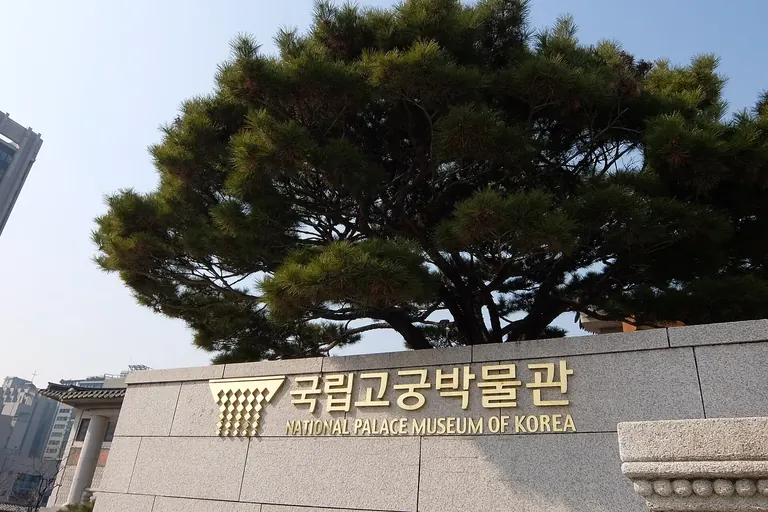
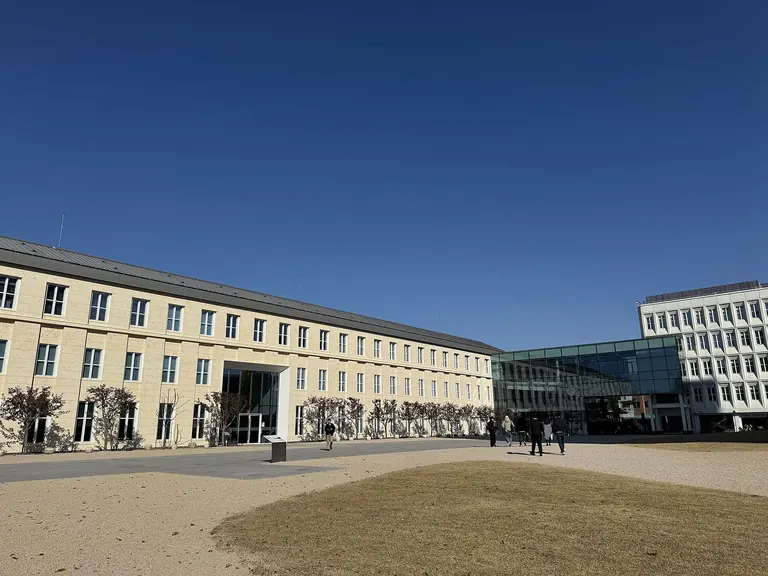
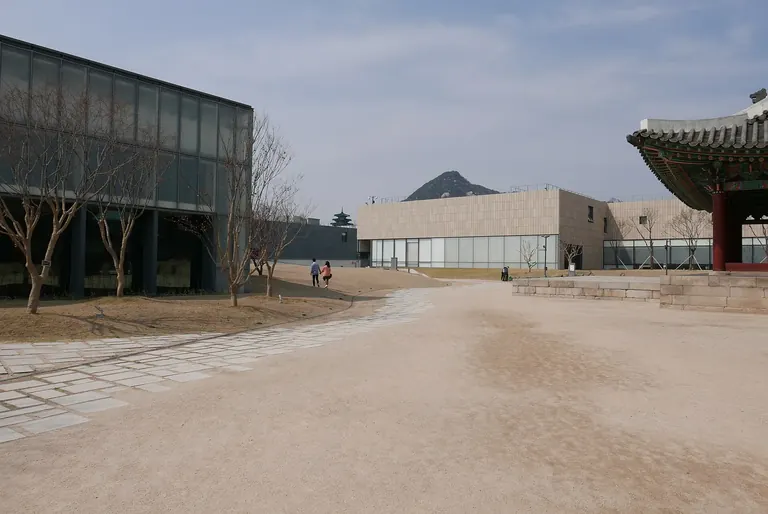
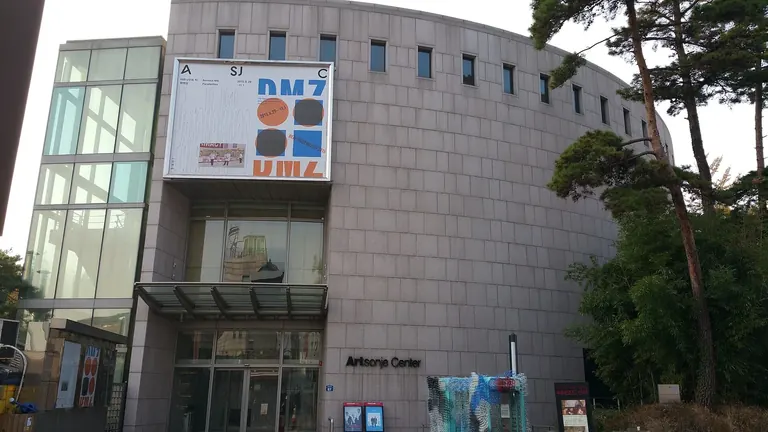
Image credits
9
- Ilgu Iryuk, Muhan Iryuk: 100 Years of Hangul DayCourtesy of National Museum of Korean Contemporary History
- 2026 Sindang Creative Arcade Exhibition: Gakgak-ui Gak (Each Angle)Courtesy of Seoul Museum of Craft Art
- Craft Companion @ Show Window #6: SilhouetteCourtesy of Seoul Museum of Craft Art
- From Lacquer Tree to LacquerwareCourtesy of Seoul Museum of Craft Art
- National Museum of Korean Contemporary HistoryTrace84 / Wikimedia Commons, CC BY-SA 4.0
- National Palace Museum of KoreaJinho Jung, via Wikimedia Commons, CC BY-SA 2.0
- Seoul Museum of Craft ArtYoungjin, via Wikimedia Commons, CC BY-SA 4.0
- MMCA Seouljens kuu, via Wikimedia Commons, CC BY 2.0
- Art Sonje CenterBonnielou2013 / Wikimedia Commons, CC BY-SA 4.0