 i
Asian Art MuseumCivic Center, San Francisco
Art from Contemporary Cambodia
Sopheap Pich and Leang Seckon, key figures of Cambodia's post-Khmer Rouge art revival, turn bamboo, rattan, textiles and found materials into works on memory and loss.
More in San Francisco
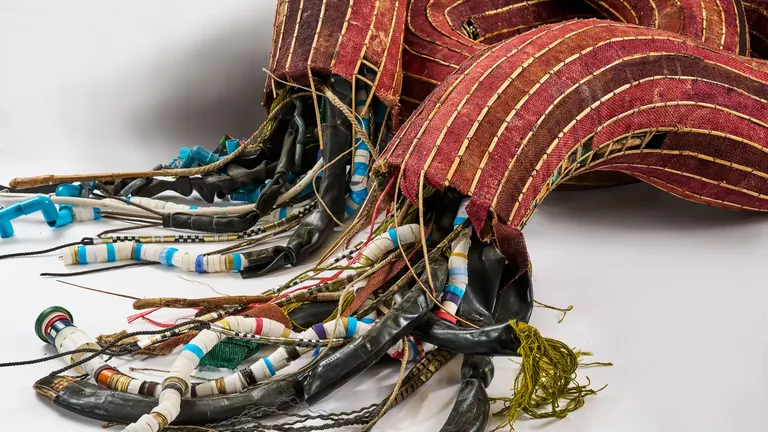
Part of Junk Nutrients came off a rubbish heap. In the late 2000s Sopheap Pich salvaged plastic, rubber, metal and cloth from the trash heaps of a fast-growing Phnom Penh and bound them into bamboo and rattan with wire. The Guggenheim describes the 2009 sculpture's "mottled, rag-tag look". The museum acquired it in 2025.
It shares the Tateuchi Gallery with Leang Seckon. Both artists were born in the 1970s, lived through the Khmer Rouge genocide and became key figures in Cambodia's art revival in the early 2000s. Pich weaves abstract sculpture; his Receding Waves (2015) stands over eight feet tall. Seckon builds collages from photographs, paint and recycled textiles. You'll find two of his Freedom canvases, each about five feet tall, from the Heavy Skirt series. In 1970 his mother, pregnant with him during the bombing, owned one skirt and kept patching it until it grew heavy.
No separate ticket: it's included with general admission ($20, free for 12 and under), and Thursdays run until 8 PM.
Look for
Junk Nutrients (2009)
Look for plastic, rubber, metal and cloth salvaged from Phnom Penh's trash heaps, bound into a bamboo and rattan frame with wire.
Seckon's two Freedom canvases (2010 and 2011)
Two mixed-media paintings about five feet tall from the Heavy Skirt series, named for the patched skirt his mother wore while pregnant with him in wartime.
Good for
- Evening Visits
- Locals Who've Seen It All
Skip if
You came for Angkor's temples: this is contemporary sculpture and collage by two living artists.
With kids
Ages 12 and under get in free, and the show is part of general admission with no extra ticket.
Also at Asian Art Museum
On now nearby
Nearby
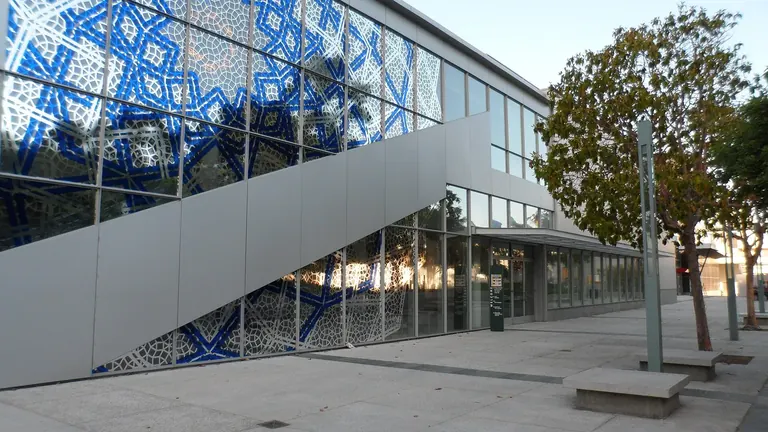
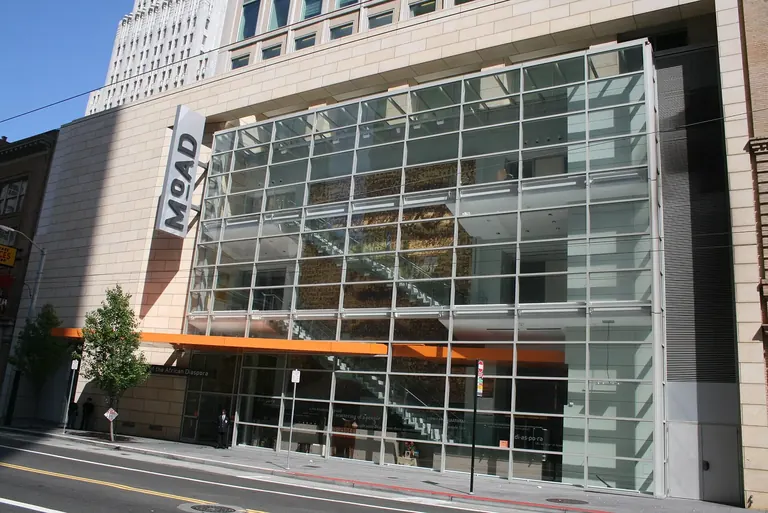
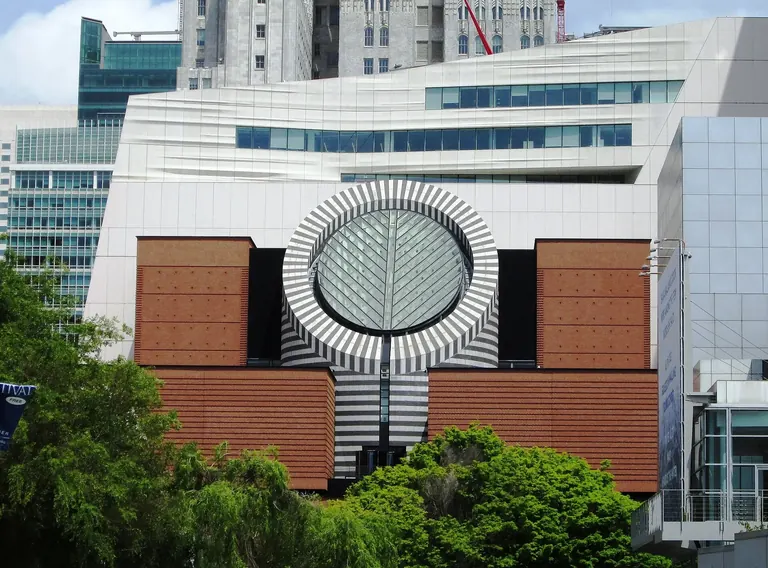
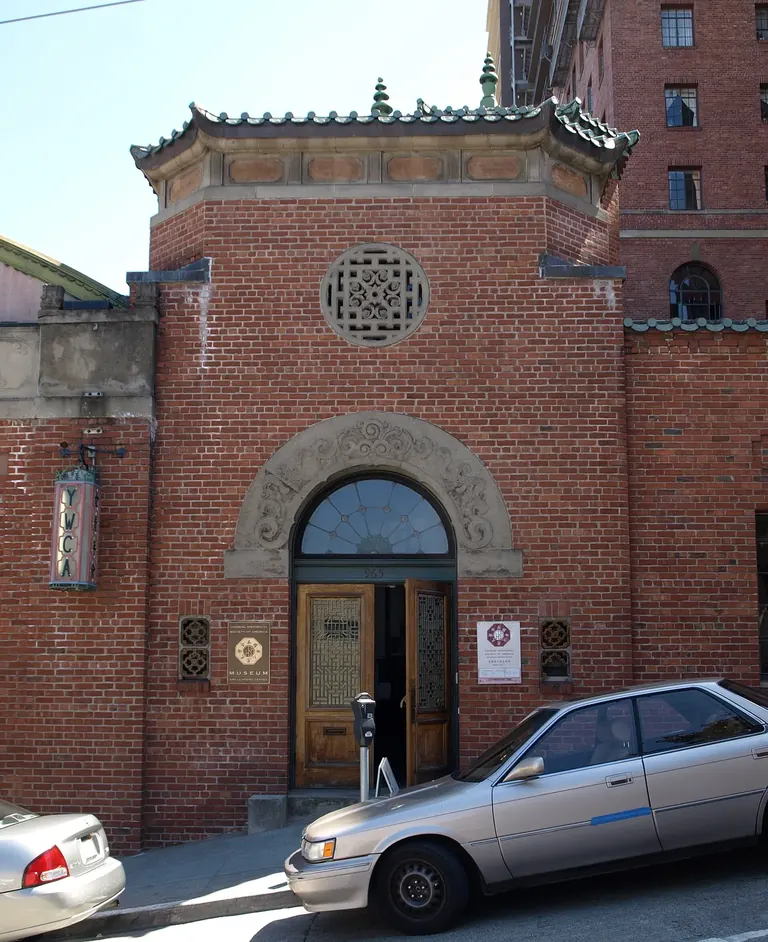
Image credits
9
- Art from Contemporary CambodiaPhoto by Kevin Candland, © Asian Art Museum of San Francisco
- GaHee Park: Behind the CurtainGaHee Park; photo Guillaume Ziccarelli; courtesy Perrotin Gallery
- Dread Scott: The Body PoliticDread Scott / YBCA
- Rael San Fratello: Prototypes and ProvocationsRael San Fratello / YBCA
- Asian Art MuseumDale Cruse, CC BY 4.0
- Yerba Buena Center for the Arts (YBCA)JCruzTheTruth / Wikimedia Commons, CC BY-SA 4.0
- Museum of the African Diaspora (MoAD)Jllm06 / Wikimedia Commons, Public domain
- San Francisco Museum of Modern Art (SFMOMA)Beyond My Ken / Wikimedia Commons, CC BY-SA 4.0
- Chinese Historical Society of America MuseumAnna Majkowska / Wikimedia Commons, CC BY 2.0