 i
125 Newbury · Tribeca
Rothko/Gottlieb: The Surrealist Years
Paintings and works on paper by Mark Rothko and Adolph Gottlieb from 1941 to 1951, when both turned to myth and Surrealist abstraction. Curated by Arne Glimcher.
More in New York
Preview: written before the show opened
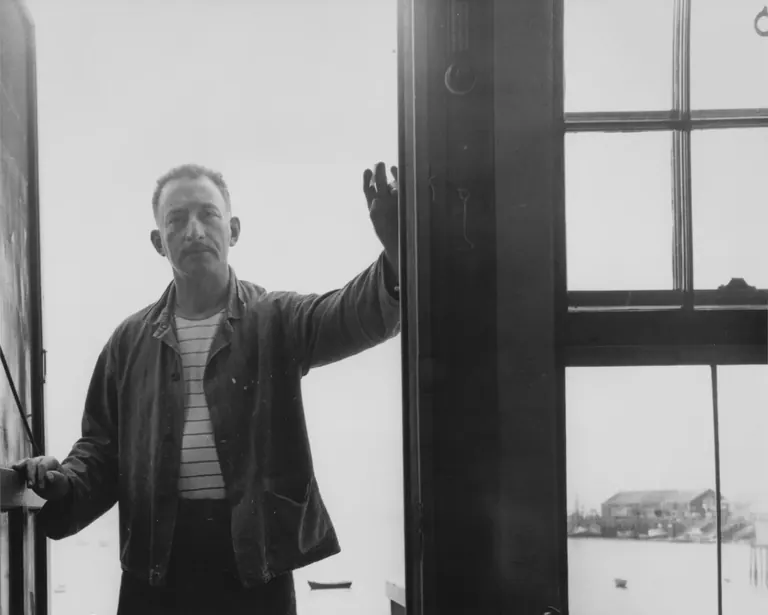
In June 1943 Rothko and Gottlieb sent a joint letter to The New York Times, answering a critic who had dismissed their work. "We favor the simple expression of complex thought," they wrote, and asked for painting that was "tragic and timeless." This show covers the decade they spent trying, 1941 to 1951.
It's the sequel to last year's Realist Years, and the paintings and works on paper cluster around 1942 to 1946, when both men turned to myth and the unconscious in the shadow of the war. Gottlieb packed figures, animals and symbols into the irregular grids of his Pictographs. Rothko went organic: his Gethsemane (1945) tells the story of Christ's last hours without a single figure. If you know Rothko from the soft colour rectangles, this is what came just before them.
It's at 125 Newbury, Arne Glimcher's project space at 395 Broadway in Tribeca, on the corner of Walker Street, not Pace's Chelsea tower. Open Tuesday to Saturday, 10am to 6pm.
Look for
Rothko, Gethsemane (1945)
Christ's betrayal and final hours painted in organic, biomorphic shapes, entirely abstract, with no recognisable figure in it.
Gottlieb's Pictographs
Stylized figures, animals and symbols set in an irregular grid, closer to carved glyphs or cave paintings than to a picture; the earliest here dates from 1941.
Good for
- Locals Who've Seen It All
- Nerding Out
- Rainy Days
On now nearby
Nearby
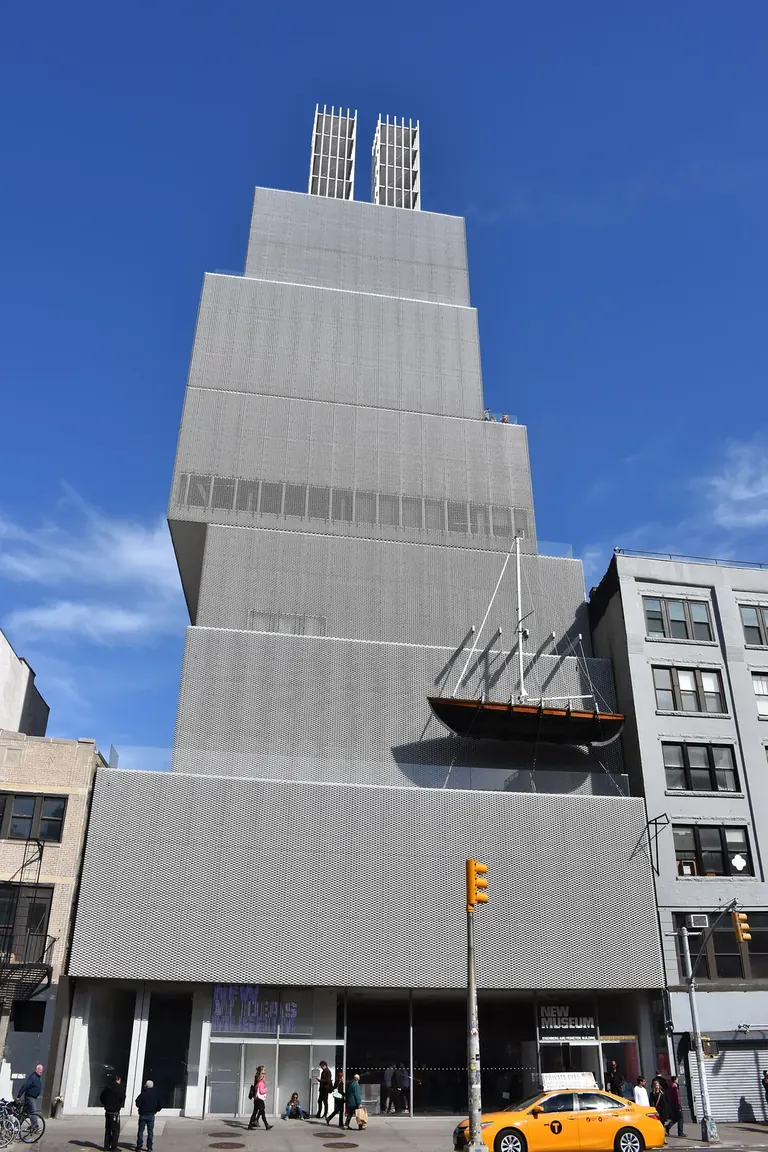

Image credits
6
- Rothko/Gottlieb: The Surrealist YearsMark Rothko, Gethsemane, 1945 © Kate Rothko Prizel and Christopher Rothko / Artists Rights Society (ARS), New York; Adolph Gottlieb, Composition, 1945 © The Adolph & Esther Gottlieb Foundation / Artists Rights Society (ARS), New York
- Arthur Jafa: I Am TonyCourtesy the artist and Gladstone
- Hyundai Translocal Series: Ho Tzu NyenCourtesy the artist, Kiang Malingue, and neugerriemschneider
- Diego Marcon: Arrivederci, Piggies!© Diego Marcon. Courtesy the artist, Sadie Coles HQ, London, and Galerie Buchholz, Berlin/Cologne/New York.
- New MuseumMusikAnimal, via Wikimedia Commons, CC BY-SA 4.0
- National September 11 Memorial & MuseumPaul Sableman, CC BY 2.0