 i
Bavarian State Archaeological CollectionLehel
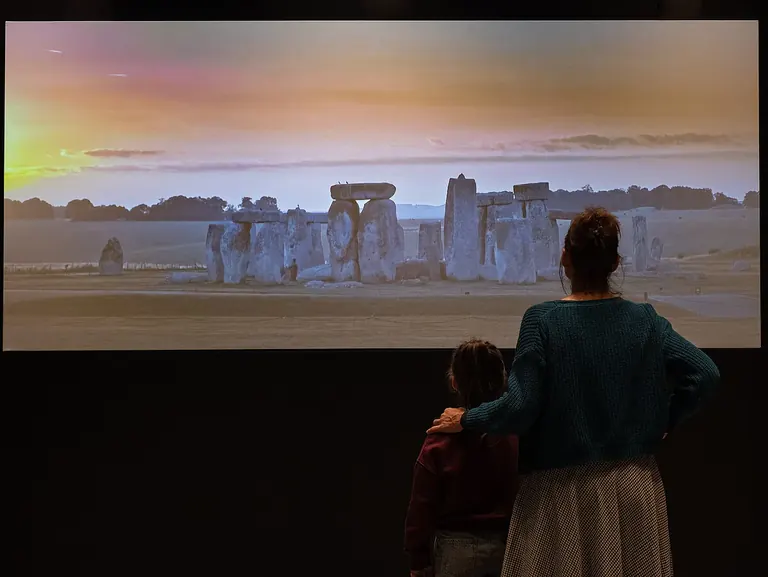
Stonehenge. Ancient Discoveries, New Mysteries
Around 600 originals and replicas from the Salisbury Museum and Wiltshire Museum, with video installations and life-size dioramas exploring who built Stonehenge, and how.
More in Munich
Stonehenge was built with tools made of deer antler, and some of those antler picks are in the cases here. They are among around 600 originals and replicas, many lent by the Salisbury and Wiltshire museums, and it is the first time finds from 20 years of new digs have been shown in Central Europe.
You go through it in order, from the oldest Stonehenge and the builders' village to the monument's end, past video installations and life-size dioramas. The argument, from UCL's Mike Parker Pearson, is that this was a burial ground, not a temple: isotopes in the bones show people came from all over Britain. Curator Heiner Schwarzberg told the Abendzeitung that the leftovers of its ritual feasts put it "not so far from Oktoberfest".
The Munich version ends on a Bavarian find, a rich woman's grave from Markt near Augsburg. Labels are in German and English. Tickets are €8 (reduced €5), or €10 with the permanent collection (€9 on Sundays, when it's open until 19:00).
Editor's pick
Deer-antler picks used to build Stonehenge sit among some 600 originals and replicas, the first showing in Central Europe of 20 years of new digs. The case it makes, after Mike Parker Pearson: a burial ground, not a temple.
Look for
The antler picks
Look for the digging tools Stonehenge's builders actually used, made from deer antler, lent from the British collections.
The rich woman's grave from Markt
Gold sheets and rings, an amber necklace, silver and copper pieces and three pots from a woman buried near Augsburg around 2450 to 2300 BC, shown together.
The Bell Beaker pots
The bell-shaped vessels that named a culture whose pots turn up from Iberia to Hungary, in Augsburg and in Munich as well as Britain.
Good for
- Cheap Culture
- Nerding Out
- Out-Of-Town Guests
With kids
A cartoon-style children's line runs through the show on media stations, and at weekends families can build their own Stonehenge from blocks.
Also at Bavarian State Archaeological Collection
On now nearby
Nearby
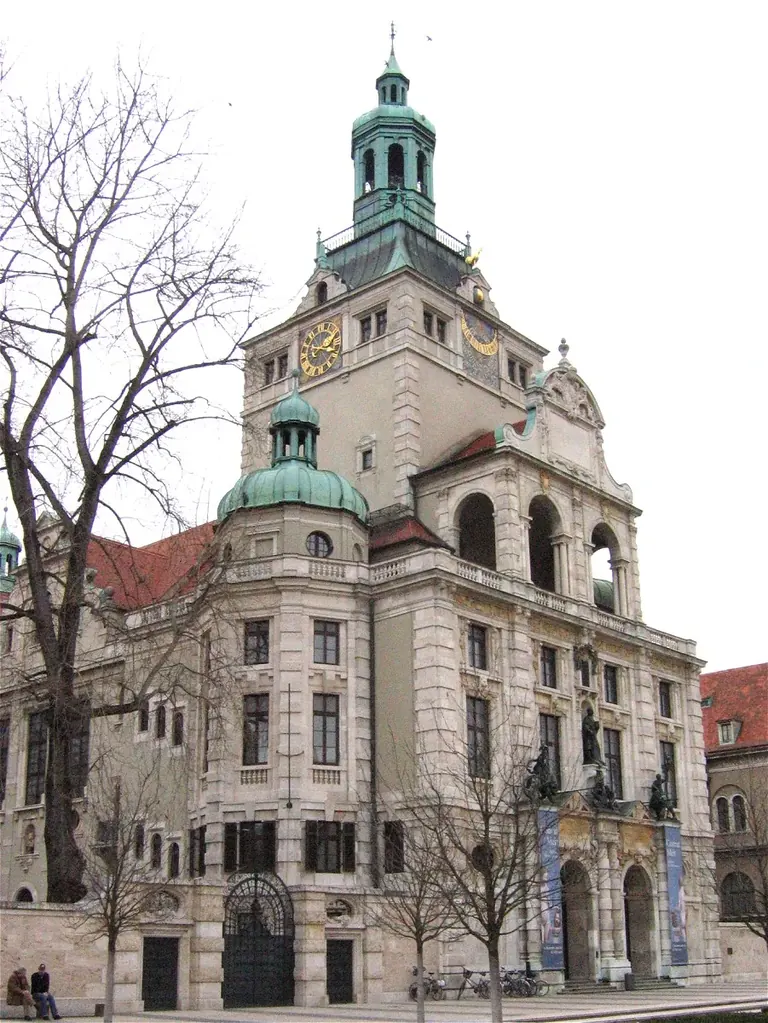
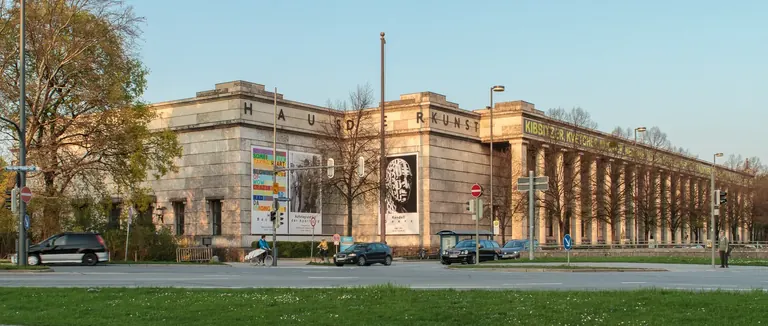
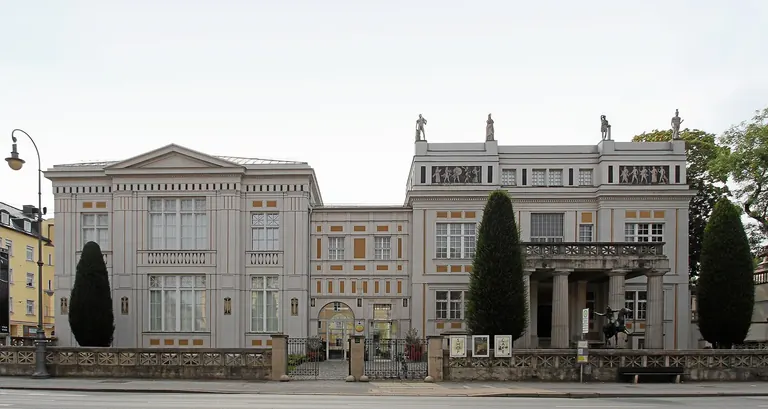
Image credits
7
- Stonehenge. Ancient Discoveries, New MysteriesCourtesy of Bavarian State Archaeological Collection
- Liminal SpacesCourtesy of Bavarian National Museum
- StadtLandschaftCourtesy of Bavarian National Museum
- Bavarian State Archaeological CollectionBurkhard Mücke / Wikimedia Commons, CC BY 4.0
- Bavarian National MuseumRufus46, CC BY-SA 3.0
- Haus der KunstAvda / www.avda-foto.de, CC BY-SA 3.0
- Museum Villa StuckWikiolo, CC BY-SA 4.0