 i
GAM Galleria d'Arte ModernaPorta Venezia / Palestro
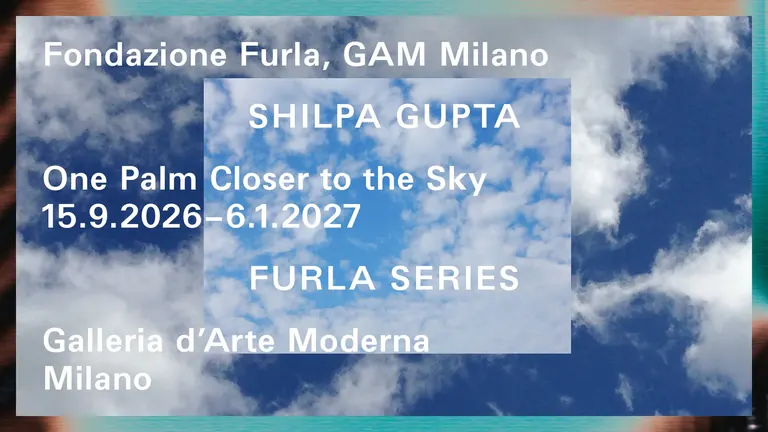
Furla Series – Shilpa Gupta. One Palm Closer to the Sky
Mumbai artist Shilpa Gupta's new works on language, censorship, borders and hope, set in dialogue with GAM's 19th-century collection across the courtyard and five ground-floor rooms.
More in Milan
In the courtyard, before you reach the ticket desk, a giant weathervane swings with the wind. Where the rooster should be, it carries the word HOPE. Inside, everyday objects stop behaving: a split-flap display like a station departures board spells out broken phrases, a pair of headphones turns out to be fitted with small spikes, and a neon "verità" can only be read in a mirror.
Mumbai-based Gupta works on language, censorship and borders, and almost everything here was made for this show. The route runs from the courtyard through the five ground-floor rooms, next to GAM's 19th-century collection. Some works need you to finish them: in Breathe, you rub over a near-blank wall to bring up real scenes of arrest, drawn with the arrested people left out.
ATP Diary called the show "particolarmente riuscita" (particularly successful), above all for how it talks to the permanent collection. Entry is included in the regular €8 museum ticket, and last entry is an hour before closing.
Look for
HOPE, in the entrance courtyard
A monumental weathervane with the word HOPE where the rooster would be, turning whichever way the wind blows.
Truth
A neon sign spelling "verità" that you can only read in its reflection in a mirror.
When the Stone Sang to the Glass (Bella Ciao)
Collected furniture, doors and drinking glasses become sound boxes playing the Italian Resistance song, now sung in dozens of languages.
Breathe
Near-invisible incisions in the wall show real arrests without the arrested bodies, and only appear when you rub over them.
The small sculptures
Look for a tower of forgotten pills, a jet of water frozen mid-flow, and a clock that moves only when it hears a voice.
Good for
- Cheap Culture
- Going Solo
- Locals Who've Seen It All
Skip if
You want paintings to look at: this is neon, sound and objects, some you have to activate.
Also at GAM Galleria d'Arte Moderna
On now nearby
Nearby
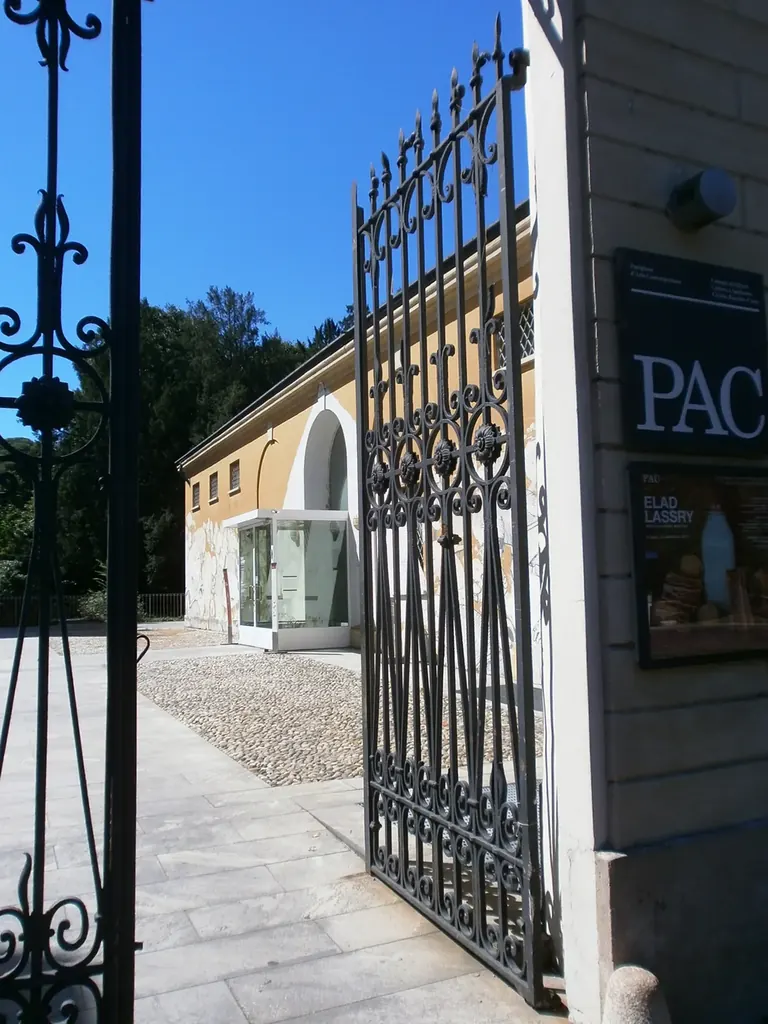
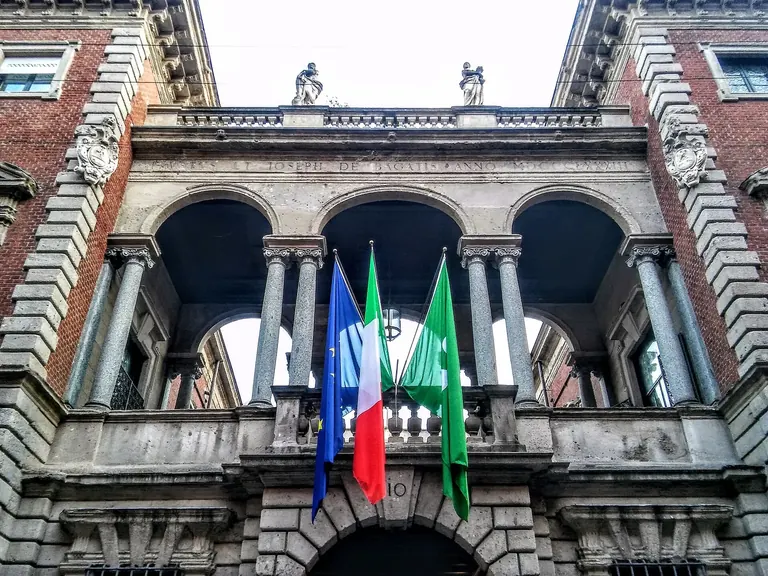
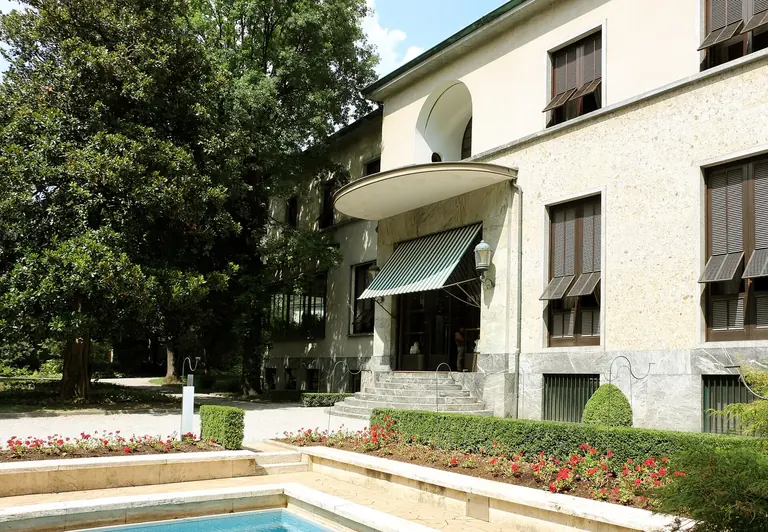
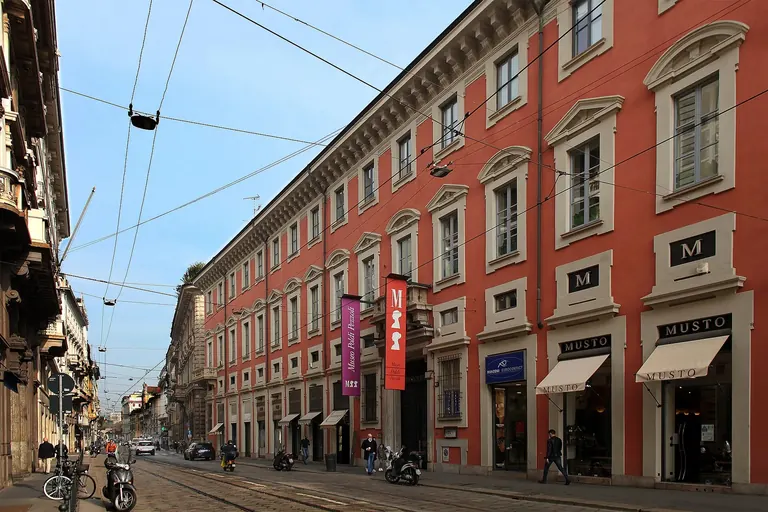
Image credits
9
- Furla Series – Shilpa Gupta. One Palm Closer to the SkyCourtesy of GAM Galleria d'Arte Moderna
- Piero Portaluppi: l'arte del disegnoCourtesy of Villa Necchi Campiglio
- Un Tiziano per MilanoCourtesy of Museo Poldi Pezzoli
- Mona Hatoum: Over, under and in betweenPh. Roberto Marossi, Courtesy Fondazione Prada
- GAM Galleria d'Arte ModernaStefano Stabile / Wikimedia Commons, CC BY-SA 3.0
- PAC Padiglione d'Arte ContemporaneaStefano Stabile / Wikimedia Commons, CC BY-SA 3.0
- Museo Bagatti ValsecchiMelancholia~itwiki / Wikimedia Commons, CC BY-SA 4.0
- Villa Necchi CampiglioSailko / Wikimedia Commons, CC BY 3.0
- Museo Poldi PezzoliPaolobon140 / Wikimedia Commons, CC BY-SA 4.0